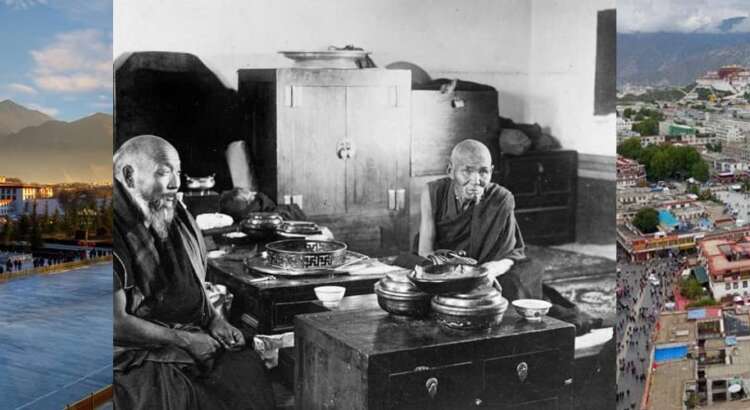
Lhasa, the capital of Tibet in southwestern China, is one of the most spiritual and culturally rich destinations in Asia. Situated high in the Himalayan region, the city is surrounded by snow-covered mountains, ancient monasteries, and breathtaking landscapes. Often called the “City of Sunshine” because of its long hours of sunlight throughout the year, Lhasa attracts travelers seeking history, peace, and unique cultural experiences.
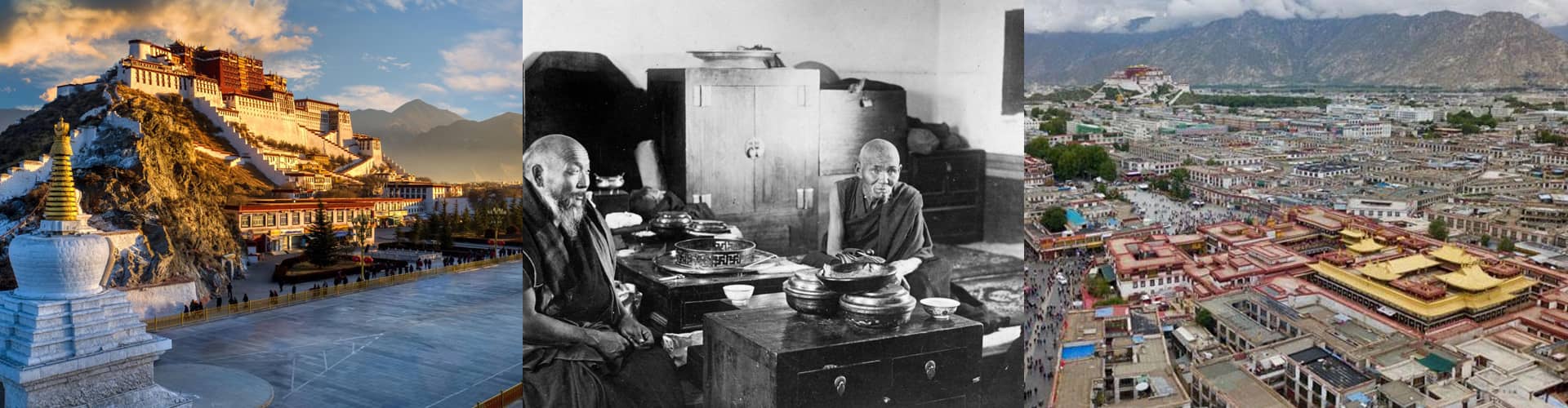
The city is most famous for Potala Palace, a magnificent palace that once served as the winter residence of the Dalai Lama. This iconic structure stands on a hill overlooking the city and is admired for its Tibetan architecture, spiritual importance, and historical treasures. Another important attraction is Jokhang Temple, considered one of the holiest temples in Tibetan Buddhism. Visitors can also explore traditional Tibetan streets, colorful markets, monasteries, and peaceful mountain surroundings.
The best time to visit Lhasa is from April to October, when the weather is milder and travel conditions are more comfortable. Spring and autumn are especially pleasant because of clear skies, moderate temperatures, and beautiful mountain scenery. Summer also offers good weather, although it can be busier with tourists.
Travelers visiting Lhasa should take time to adjust to the high altitude, as the city is located more than 3,600 meters above sea level. Drinking plenty of water and resting during the first day can help visitors adapt comfortably.
Lhasa is ideal for travelers interested in spirituality, Tibetan culture, mountain landscapes, and historical architecture. Its peaceful atmosphere, religious significance, and stunning scenery make it one of the most unforgettable destinations in China.
How to Reach Lhasa
Traveling by Air
Flying is the quickest and easiest way to reach Lhasa. Travelers can arrive at Lhasa Gonggar Airport, which serves as the main airport for the region. The airport has regular flights connecting Lhasa with major cities in China such as Beijing, Chengdu, Shanghai, and Xi’an. After landing, visitors can continue to the city center by taxi, shuttle service, or private vehicle. The journey from the airport to Lhasa usually takes around an hour.
Traveling by Train
Many travelers prefer reaching Lhasa by train because of the spectacular scenery along the route. The famous Qinghai–Tibet Railway links Lhasa with several major Chinese cities. During the journey, passengers can enjoy views of snow-covered mountains, grasslands, lakes, and the Tibetan Plateau. The train experience is considered one of the most scenic railway trips in the world.
Traveling by Road
Adventure travelers sometimes choose road journeys to Lhasa through organized tours or private transport. Mountain highways leading into Tibet offer breathtaking landscapes and dramatic views throughout the journey. However, road travel usually takes much longer and requires proper preparation because of altitude and weather conditions.
Important Information for Travelers
Travelers visiting Tibet generally need special travel permits along with a valid Chinese visa. These permits are usually arranged through approved travel agencies before the trip.
Helpful Travel Tip
Since Lhasa is located at a high altitude, visitors should spend their first day resting and staying hydrated to allow the body to adjust comfortably to the thinner mountain air.
Things to Do in Lhasa
Visit the Potala Palace
One of the most famous attractions in Lhasa is Potala Palace. This impressive palace sits high above the city and is known for its beautiful Tibetan architecture, ancient artwork, prayer halls, and historical importance. Exploring the palace gives visitors a deeper understanding of Tibetan culture and Buddhism.
Explore Jokhang Temple
Jokhang Temple is considered one of the holiest spiritual sites in Tibet. Travelers can observe local pilgrims, traditional rituals, and peaceful prayer ceremonies while admiring the temple’s detailed design and sacred atmosphere.
Walk Through Barkhor Street
Barkhor Street is a lively traditional market area surrounding Jokhang Temple. Visitors can stroll through narrow streets filled with local shops, handmade crafts, prayer flags, jewelry, and Tibetan souvenirs. The area also offers opportunities to experience local food and daily Tibetan life.
Visit Tibetan Monasteries
Lhasa is home to several important monasteries where travelers can learn about Tibetan Buddhism and monastic traditions. Many monasteries feature peaceful courtyards, prayer halls, colorful murals, and scenic mountain surroundings.
Enjoy Mountain and City Views
The high-altitude location of Lhasa offers beautiful views of surrounding mountains and valleys. Visitors can enjoy peaceful sightseeing spots, sunrise views, and clear blue skies while exploring the city.
Experience Tibetan Culture
Travelers visiting Lhasa can enjoy traditional Tibetan food, cultural performances, local festivals, and unique customs. The city provides a rich cultural experience that is very different from other parts of China.
Relax and Adjust to the Altitude
Since Lhasa is located high in the mountains, many visitors spend time relaxing, drinking tea, and slowly exploring the city while adapting to the altitude and peaceful atmosphere.
Things Not to Forget Before Visiting Lhasa
Prepare for High Altitude
Lhasa is located more than 3,600 meters above sea level, so travelers should be prepared for high-altitude conditions. It is important to rest after arrival, drink plenty of water, and avoid heavy physical activity during the first day to help the body adjust comfortably.
Carry Warm Clothing
Even during warmer months, temperatures in Lhasa can become cool, especially in the mornings and evenings. Visitors should pack warm layers, jackets, gloves, and comfortable clothing suitable for changing mountain weather.
Keep Important Travel Documents
Travelers should always carry passports, identification documents, Chinese visas, and Tibet travel permits. These documents may be checked at airports, railway stations, hotels, and security checkpoints.
Bring Sunscreen and Sunglasses
Because of the high altitude and strong sunlight, UV exposure in Lhasa can be intense. Sunscreen, sunglasses, lip balm, and a hat can help protect the skin and eyes during outdoor sightseeing.
Wear Comfortable Walking Shoes
Many attractions in Lhasa involve walking, climbing stairs, and exploring monasteries or mountain viewpoints. Comfortable walking shoes are helpful for moving around safely and comfortably.
Respect Local Culture and Religion
Lhasa is an important spiritual center for Tibetan Buddhism. Visitors should behave respectfully inside temples and monasteries, follow photography rules, and avoid disturbing religious ceremonies or local traditions.
Carry Medicines and Personal Essentials
Basic medicines for headaches, cold weather, or altitude discomfort can be useful during the trip. Travelers should also keep reusable water bottles, snacks, and power banks while exploring the city.
Book Hotels and Permits Early
Travel permits and accommodations should be arranged in advance, especially during peak tourist seasons. Early booking helps avoid travel delays and ensures a smoother experience in Tibet.
Best Time to Visit Lhasa
The best time to visit Lhasa is generally from April to October, when the weather is more pleasant and travel conditions are comfortable for sightseeing and outdoor activities. During these months, visitors can enjoy clear mountain views, bright sunshine, and easier access to major attractions across Tibet.
Spring Season (April to May)
Spring is a beautiful time to explore Lhasa because the temperatures begin to rise after winter, and the weather becomes mild and comfortable. The city experiences clear skies, fresh mountain air, and pleasant conditions for visiting monasteries, temples, and cultural sites. Spring also offers fewer crowds compared to peak summer months.
Summer Season (June to August)
Summer is one of the most popular seasons for travelers visiting Lhasa. The weather remains relatively mild despite the high altitude, and the surrounding landscapes appear green and vibrant. Festivals and local cultural events also take place during this period, giving visitors a chance to experience Tibetan traditions and celebrations. However, this season may bring more tourists and occasional rainfall.
Autumn Season (September to October)
Autumn is considered one of the most comfortable times to visit Lhasa. The skies are usually bright and clear, temperatures remain pleasant, and the mountain scenery looks especially beautiful. This season is excellent for photography, sightseeing, and enjoying peaceful travel experiences.
Winter Season (November to March)
Winter in Lhasa is cold but still receives plenty of sunshine. Tourist crowds are smaller, making it a quieter time to explore the city. Travelers who enjoy snowy mountain views and peaceful surroundings may appreciate visiting during this season, although some remote areas may be harder to access.
Helpful Travel Tip
Because of Lhasa’s high altitude, visitors should plan time for rest and acclimatization regardless of the season. Carrying warm clothing, sunscreen, and staying hydrated can help make the trip more comfortable.
Can Indians go to Lhasa?
Yes, Indian travelers can visit Lhasa, but there are special travel requirements because Lhasa is located in Tibet, an autonomous region of China.
What Indians Need to Visit Lhasa
Chinese Visa
Indian citizens must first obtain a valid Chinese visa before traveling to Tibet.
Tibet Travel Permit
In addition to a Chinese visa, travelers also need a Tibet Travel Permit issued by Tibetan authorities. This permit is mandatory for entering Lhasa and other parts of Tibet.
Tour Booking Requirement
Foreign travelers, including Indians, usually cannot travel independently in Tibet. Most visitors must:
- Book through an authorized Tibet travel agency
- Travel with a guided tour or approved itinerary
- Arrange permits before arrival
The travel agency typically helps organize:
- Tibet permits
- Hotel bookings
- Transportation
- Local guide services
Common Routes for Indian Travelers
Many Indian tourists reach Lhasa by:
- Flights from cities in mainland China such as Chengdu or Beijing
- The famous Qinghai–Tibet Railway
- Organized overland tours (depending on regulations)
Important Things to Know
- Permit approval can take time, so early planning is important.
- Some border regions in Tibet may have additional restrictions.
- High altitude can affect health, so travelers should acclimatize slowly after arrival.
Best Advice
It is recommended to book with an experienced Tibet tour operator that handles permits and travel arrangements for international visitors. This makes the journey smoother and avoids permit-related issues.
Is Lhasa in Tibet or China?
Lhasa is the capital city of the Tibet Autonomous Region, which is an autonomous region within China.
So, geographically and administratively:
- Lhasa is in Tibet
- Tibet is part of China
Lhasa is widely known as the spiritual and cultural center of Tibetan Buddhism and is famous for landmarks such as Potala Palace and Jokhang Temple. The city sits high in the Himalayan region at an altitude of over 3,600 meters and attracts travelers interested in Tibetan culture, history, spirituality, and mountain scenery.
Is Tibet more Indian or Chinese?
Tibet is internationally recognized today as part of China and is administered by the Chinese government as the Tibet Autonomous Region.
At the same time, Tibet has its own distinct Tibetan culture, language, religion, and historical identity that developed separately over many centuries. Tibetan Buddhism has strong historical and cultural connections with India because Buddhism spread from India into Tibet long ago. Important Buddhist sites in India, such as Bodh Gaya, remain deeply important to Tibetan Buddhists.
So:
- Politically/administratively: Tibet is part of China.
- Culturally and spiritually: Tibet has historical links with both its own Tibetan traditions and Indian Buddhism.
This topic can sometimes involve political opinions and historical debates, so answers may differ depending on historical, cultural, or political perspectives.
Why Was Lhasa Called the “Forbidden City”?
Lhasa earned the nickname “Forbidden City” because, for many centuries, it remained isolated from much of the outside world. The city was difficult to reach, and foreign visitors were rarely permitted to enter the region. Its remote location, combined with strict travel restrictions, created an image of mystery that fascinated travelers and explorers.
One major reason for this reputation was geography. Lhasa lies deep within the Himalayan region of Tibet at a very high altitude. In earlier times, travelers had to cross snowy mountain passes, rough terrain, and long trade routes to reach the city. These difficult conditions made journeys slow, dangerous, and challenging.
Another reason was the limited access given to outsiders. Tibetan authorities carefully controlled who could enter the region in order to protect local traditions, religion, and cultural life. Because very few foreigners were allowed to visit, information about Lhasa remained limited for many years. This secrecy increased global curiosity about the city.
Lhasa was also regarded as the spiritual center of Tibetan Buddhism. Sacred places such as Potala Palace and Jokhang Temple held deep religious importance, and the city was respected as a place of prayer, learning, and spiritual leadership.
Because outsiders knew very little about Lhasa in the past, the city became famous for its hidden and mysterious image. Today, although travelers can visit Lhasa with the required permits, it still remains one of the most unique cultural and spiritual destinations in Asia.