Kyoto is one of Japan’s most culturally rich and beautiful cities, famous for its ancient temples, traditional architecture, peaceful gardens, and deep historical heritage. Located in the Kansai region of Japan, Kyoto served as the country’s imperial capital for more than a thousand years and remains one of the best places to experience traditional Japanese culture.
The city is known for its stunning temples and shrines, many of which are recognized as UNESCO World Heritage Sites. One of the most famous attractions is Fushimi Inari Taisha, admired for its thousands of bright red torii gates that create scenic walking paths through the forested hills. Another iconic landmark is Kinkaku-ji, also known as the Golden Pavilion, which reflects beautifully over a peaceful pond surrounded by gardens.
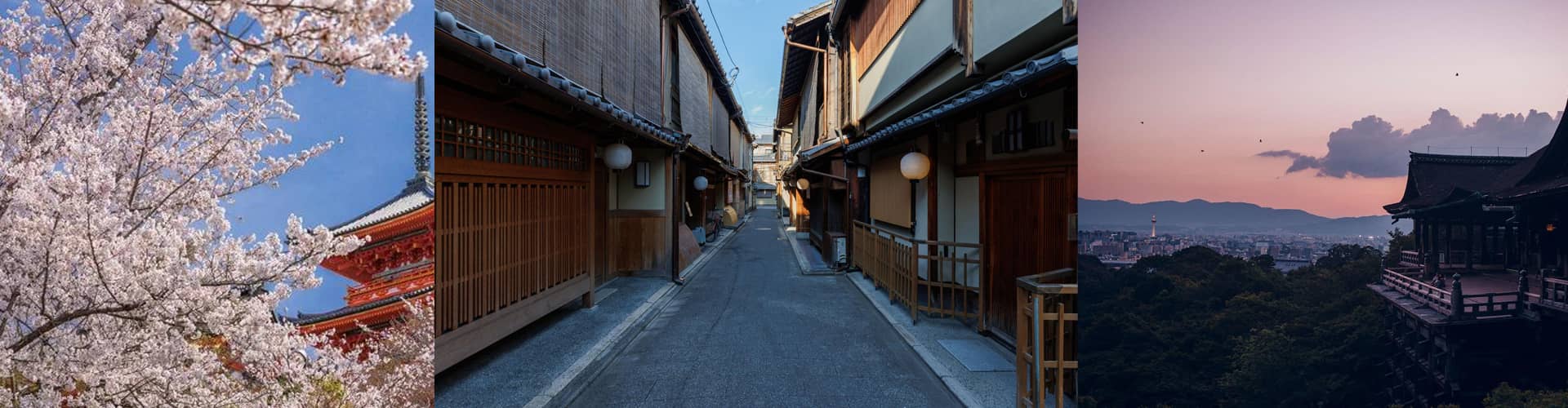
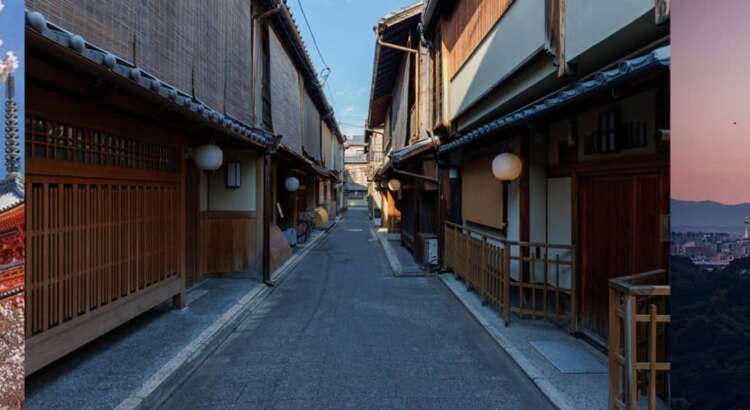
Kyoto is equally celebrated for its traditional streets and historic districts. Areas like Gion are famous for wooden tea houses, narrow lanes, and opportunities to witness traditional Japanese culture, including geisha performances and tea ceremonies.
Nature also plays an important role in Kyoto’s charm. During spring, cherry blossoms transform the city into a colorful landscape, while autumn brings vibrant red and orange leaves that attract photographers and travelers from around the world. The famous Arashiyama Bamboo Grove offers another unforgettable experience with its towering bamboo pathways and peaceful atmosphere.
Kyoto is also known for its delicious cuisine, traditional sweets, and authentic Japanese dining experiences. Visitors can enjoy local specialties while exploring historic markets and quiet cafés.
The combination of history, spirituality, culture, and natural beauty makes Kyoto one of Japan’s most admired and unforgettable travel destinations.
How to Get to Kyoto
Reaching Kyoto is convenient and comfortable because the city is well connected to major destinations across Japan through high-speed trains, airports, and road networks. As one of Japan’s most popular tourist cities, Kyoto is easily accessible for both international and domestic travelers.
The nearest major international gateway to Kyoto is Kansai International Airport, located near Osaka. International visitors arriving from different countries often land here before continuing their journey to Kyoto by train, airport shuttle, or bus. The trip from Kansai International Airport to Kyoto usually takes around 1.5 to 2 hours depending on the mode of transportation.
Another popular option is arriving through Tokyo and traveling to Kyoto using Japan’s famous Shinkansen bullet train. The high-speed train journey between Tokyo and Kyoto is fast, comfortable, and scenic, typically taking around two to three hours.
Kyoto’s central railway hub, Kyoto Station, is one of the busiest and most modern train stations in Japan. It connects travelers to various regions of the country through local trains, bullet trains, buses, and subway services.
Visitors traveling from nearby cities such as Osaka, Nara, or Kobe can easily reach Kyoto using regional trains and buses. Many travelers also include Kyoto as part of a larger Japan travel itinerary because of its excellent transportation network.
Once inside the city, travelers can explore Kyoto using buses, trains, taxis, bicycles, and walking routes. Public transportation is efficient and makes it easy to visit famous attractions such as temples, shrines, gardens, and historic districts throughout the city.
Things to Do in Kyoto
Kyoto offers travelers a perfect mix of history, culture, spirituality, and natural beauty. As one of Japan’s most famous cultural cities, Kyoto is filled with ancient temples, peaceful gardens, traditional streets, and unforgettable local experiences.
Visit Fushimi Inari Taisha
One of Kyoto’s most iconic attractions, Fushimi Inari Taisha is famous for its thousands of bright red torii gates that create beautiful walking paths through the forested hills. It is one of the most photographed locations in Japan.
Explore Kinkaku-ji
Also known as the Golden Pavilion, this historic Zen temple is admired for its golden exterior reflected in a peaceful pond surrounded by beautiful gardens.
Walk Through Arashiyama Bamboo Grove
The Arashiyama Bamboo Grove offers a unique and peaceful experience with towering bamboo pathways that create a calm and scenic atmosphere perfect for photography and nature walks.
Discover the Historic District of Gion
Gion is Kyoto’s famous traditional district known for wooden tea houses, narrow streets, and preserved Japanese culture. Visitors may also spot geisha or maiko walking through the area.
Enjoy Traditional Japanese Cuisine
Kyoto is famous for authentic Japanese dishes, traditional sweets, and tea culture. Travelers can explore local markets, enjoy sushi, ramen, matcha desserts, and experience traditional tea ceremonies.
Visit Temples and Gardens
Kyoto is home to hundreds of temples and peaceful gardens that showcase Japan’s spiritual and cultural heritage. Many visitors enjoy relaxing in these quiet spaces while admiring traditional architecture and seasonal beauty.
Experience Cherry Blossom and Autumn Seasons
During spring, Kyoto becomes famous for its cherry blossoms, while autumn transforms the city with vibrant red and orange leaves. Both seasons attract photographers and travelers from around the world.
Whether visitors are interested in history, culture, food, or nature, Kyoto offers unforgettable experiences that reflect the timeless beauty of Japan.
Things Not to Forget While Visiting Kyoto
Planning ahead can make a Kyoto trip smoother, more comfortable, and more enjoyable. Before visiting this historic Japanese city, travelers should remember a few important things to fully enjoy its culture, temples, and traditional atmosphere.
Wear Comfortable Walking Shoes
Kyoto is best explored on foot, especially in areas such as Gion and around the city’s temples and gardens. Comfortable shoes are essential because visitors often spend long hours walking through historic streets and sightseeing areas.
Carry Light Clothing and Seasonal Wear
The weather in Kyoto changes significantly depending on the season. Light clothing is suitable during spring and summer, while jackets or warm layers are important in autumn and winter, especially during cooler evenings.
Respect Local Culture and Temple Rules
Kyoto is known for its spiritual and cultural heritage. Visitors should behave respectfully at temples and shrines by following local customs, speaking quietly, and avoiding restricted photography areas.
Keep Cash for Small Shops
Although Japan widely accepts digital payments, some small restaurants, traditional markets, and local stores in Kyoto may still prefer cash. Carrying Japanese yen can be very useful.
Plan Transportation in Advance
Kyoto’s buses and trains are efficient, but popular tourist areas can become crowded during peak seasons. Travelers should check routes and schedules beforehand to save time while exploring the city.
Don’t Forget Your Camera
Kyoto is filled with beautiful temples, bamboo forests, gardens, and traditional streets. Travelers will find endless opportunities for photography throughout the city.
Try Traditional Japanese Food
Visitors should experience Kyoto’s local cuisine, including matcha desserts, sushi, ramen, tofu dishes, and traditional Japanese tea ceremonies.
Visit Early During Peak Seasons
Cherry blossom season and autumn foliage attract large numbers of tourists. Visiting attractions early in the morning can provide a quieter and more relaxing experience.
Remembering these simple travel tips can help visitors enjoy a peaceful, comfortable, and unforgettable Kyoto vacation filled with culture and history.
Best Time to Visit Kyoto
Kyoto is a beautiful destination that can be visited throughout the year, but the best time to explore the city depends on the type of experience travelers are looking for. With its historic temples, traditional streets, gardens, and seasonal beauty, every season offers a unique atmosphere.
Spring (March to May) – Best Overall Season
Spring is widely considered the best time to visit Kyoto. During this season, cherry blossoms bloom across the city, transforming parks, temples, and riversides into breathtaking landscapes filled with pink and white flowers. Popular spots such as Fushimi Inari Taisha and Gion become especially beautiful during cherry blossom season.
Summer (June to August) – Best for Festivals & Cultural Events
Summer in Kyoto is lively and energetic, with traditional festivals, outdoor events, and vibrant street activities. Although temperatures can become hot and humid, visitors can still enjoy gardens, temples, and seasonal celebrations throughout the city.
Autumn (September to November) – Best for Scenic Beauty
Autumn is another highly recommended season for visiting Kyoto. The city becomes famous for its colorful red, orange, and yellow leaves that create spectacular scenery around temples and gardens. The cooler temperatures and peaceful atmosphere make this an excellent time for sightseeing and photography.
Winter (December to February) – Best for Quiet Travel
Winter offers a calmer and less crowded experience in Kyoto. Some temples and traditional streets look especially beautiful when lightly covered with snow. Travelers who prefer peaceful sightseeing often enjoy visiting during this season.
Best Recommended Season
Spring (March to May) is generally considered the best time to visit Kyoto because of the famous cherry blossoms, pleasant weather, and stunning seasonal scenery.
What Is Kyoto Best Known For?
Kyoto is best known for its rich cultural heritage, ancient temples, traditional Japanese architecture, and peaceful natural beauty. As the former imperial capital of Japan for more than a thousand years, Kyoto has preserved much of the country’s history and traditions, making it one of Japan’s most iconic travel destinations.
One of the city’s most famous attractions is Fushimi Inari Taisha, recognized worldwide for its thousands of bright red torii gates that create scenic pathways through the hills. Another well-known landmark is Kinkaku-ji, also called the Golden Pavilion, admired for its stunning golden exterior and peaceful garden surroundings.
Kyoto is also famous for its traditional districts such as Gion, where visitors can experience old-style wooden tea houses, narrow historic streets, and traditional Japanese culture. The city is strongly connected to geisha traditions, tea ceremonies, and other cultural experiences that reflect Japan’s historical lifestyle.
Nature is another important part of Kyoto’s identity. During spring, the city becomes especially popular for its beautiful cherry blossoms, while autumn attracts visitors with colorful red and orange leaves surrounding temples and gardens. Scenic locations like Arashiyama Bamboo Grove further add to the city’s peaceful and picturesque atmosphere.
Kyoto is equally admired for its cuisine, traditional sweets, and authentic Japanese dining experiences. Visitors can enjoy local specialties while exploring historic markets and quiet cafés throughout the city.
The combination of history, spirituality, seasonal beauty, and cultural traditions has made Kyoto one of the most admired and unforgettable destinations in Japan.
Is Tokyo or Kyoto Better?
Choosing between Tokyo and Kyoto depends on the type of travel experience visitors are looking for, as both cities offer completely different sides of Japan. While Tokyo represents modern technology, entertainment, and fast-paced city life, Kyoto is famous for its traditional culture, temples, and historic atmosphere.
Tokyo is ideal for travelers who enjoy vibrant city life, shopping, nightlife, anime culture, and futuristic attractions. The city is filled with skyscrapers, modern architecture, busy streets, and world-famous districts such as Shibuya and Shinjuku. Tokyo is also known for its advanced transportation system, exciting food scene, and endless entertainment options.
On the other hand, Kyoto is perfect for visitors who want to experience traditional Japan. The city is famous for ancient temples, peaceful gardens, bamboo forests, tea ceremonies, and historic streets. Attractions such as Fushimi Inari Taisha and Arashiyama Bamboo Grove offer a calmer and more cultural atmosphere compared to Tokyo’s energetic lifestyle.
Tokyo generally feels faster, busier, and more modern, while Kyoto is quieter, more relaxed, and deeply connected to Japanese history and traditions. Travelers interested in nightlife, technology, and modern attractions often prefer Tokyo, whereas those seeking culture, spirituality, and scenic beauty usually favor Kyoto.
Many tourists choose to visit both cities during the same trip because they complement each other perfectly. Tokyo shows the modern side of Japan, while Kyoto provides a glimpse into the country’s traditional heritage.
In the end, neither city is truly “better” than the other — the best choice depends entirely on personal travel interests and the type of Japanese experience visitors want to enjoy.
Why Is Kyoto So Popular?
Kyoto is popular around the world because of its rich cultural heritage, ancient temples, traditional Japanese atmosphere, and breathtaking seasonal beauty. As Japan’s former imperial capital for over a thousand years, the city has preserved much of the country’s history and traditions, making it one of the most iconic destinations in Asia.
One of the main reasons for Kyoto’s popularity is its remarkable collection of historic temples and shrines. Famous landmarks such as Fushimi Inari Taisha and Kinkaku-ji attract millions of visitors every year because of their unique architecture, spiritual atmosphere, and scenic surroundings.
Kyoto is also admired for its traditional districts and preserved Japanese culture. Areas like Gion are known for wooden tea houses, narrow historic streets, and traditional experiences such as tea ceremonies and geisha performances. These cultural elements allow visitors to experience a side of Japan that feels timeless and authentic.
The city’s natural beauty further adds to its worldwide appeal. During spring, Kyoto becomes famous for its cherry blossoms, while autumn transforms the city with colorful red and orange leaves surrounding temples and gardens. Scenic attractions like Arashiyama Bamboo Grove create peaceful landscapes that are admired by photographers and travelers from around the world.
Kyoto is also celebrated for its cuisine, traditional sweets, local markets, and refined dining experiences. Visitors can enjoy authentic Japanese food while exploring the city’s quiet streets and cultural landmarks.
The combination of history, spirituality, culture, and natural beauty has made Kyoto one of Japan’s most visited and admired travel destinations, attracting travelers seeking both relaxation and cultural discovery.
Which Is the Prettiest City in Japan?
Many travelers consider Kyoto to be the prettiest city in Japan because of its beautiful temples, traditional streets, peaceful gardens, and breathtaking seasonal scenery. The city perfectly combines history, culture, and natural beauty, creating an atmosphere that feels both elegant and timeless.
Kyoto is famous for its ancient temples, wooden tea houses, bamboo forests, and historic districts that preserve the charm of old Japan. Places such as Fushimi Inari Taisha and Arashiyama Bamboo Grove attract visitors from around the world because of their unique beauty and peaceful surroundings.
One of the reasons Kyoto stands out is its incredible seasonal scenery. During spring, cherry blossoms cover the city with soft pink flowers, while autumn transforms temples and gardens with vibrant red and orange leaves. These natural landscapes make Kyoto one of the most photographed destinations in Japan.
The historic district of Gion adds even more charm with its narrow lanes, traditional architecture, and cultural atmosphere. Visitors often enjoy walking through the old streets while experiencing authentic Japanese culture and cuisine.
Although Kyoto is frequently regarded as the prettiest city, other Japanese cities are also admired for their beauty. Tokyo is known for its modern skyline and vibrant city life, while Osaka is famous for its energetic atmosphere and food culture.
However, Kyoto’s combination of traditional beauty, peaceful surroundings, and cultural heritage has made it one of Japan’s most admired and visually stunning destinations.