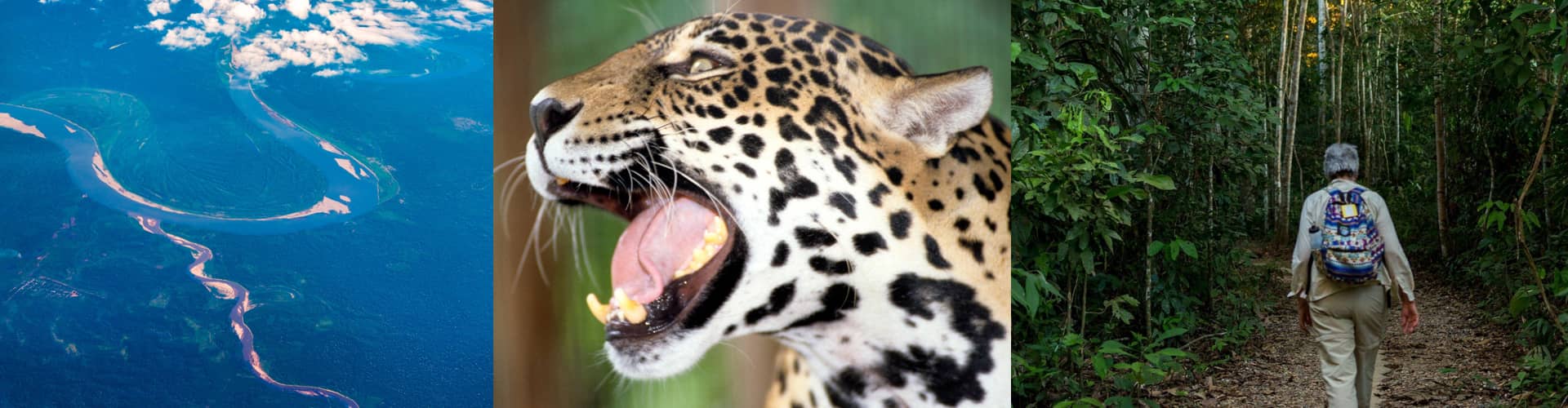
The Amazon Rainforest is the largest tropical rainforest in the world and one of Earth’s most extraordinary natural wonders. Spreading across several South American countries, including Brazil, Peru, Colombia, and others, the Amazon is famous for its incredible biodiversity, dense jungle landscapes, massive rivers, and unique wildlife.
The rainforest is home to millions of plant and animal species, many of which cannot be found anywhere else on the planet. Visitors may encounter colorful birds, monkeys, jaguars, pink river dolphins, giant trees, reptiles, and countless tropical insects while exploring the region. Because of this rich ecosystem, the Amazon is often called the “lungs of the Earth” due to its important role in producing oxygen and supporting global climate balance.
One of the main highlights of the Amazon is the powerful Amazon River, one of the longest and largest rivers in the world. River cruises and boat tours allow travelers to experience the rainforest from the water while exploring remote jungle areas and local villages.
Adventure travelers often visit the Amazon for jungle trekking, wildlife observation, canoe rides, eco-tourism experiences, and overnight stays in rainforest lodges. Guided tours provide opportunities to learn about medicinal plants, indigenous cultures, and the region’s extraordinary natural environment.
The Amazon Rainforest offers a completely different travel experience compared to beaches or modern cities. Its peaceful atmosphere, untouched landscapes, and connection with nature make it especially appealing for travelers interested in wildlife, photography, conservation, and outdoor exploration.
The combination of massive rainforest ecosystems, rare wildlife, rivers, and natural beauty has made the Amazon one of the world’s most important and fascinating travel destinations for nature lovers and adventure seekers.
How to Get to Amazon Rainforest
By Air
- The most common gateway to the Amazon Rainforest is through major cities such as Manaus in Brazil, Iquitos in Peru, or Leticia in Colombia.
- Travelers usually fly to these cities from major international or domestic airports.
- Eduardo Gomes International Airport is one of the main airports used for Amazon tourism.
International Travel Routes
- International visitors often arrive first in large South American cities such as São Paulo, Rio de Janeiro, Lima, or Bogotá before taking connecting flights to Amazon gateway cities.
- Travelers from India generally travel through international hubs in Europe, the Middle East, or South America before reaching the Amazon region.
By Boat or River Cruise
- After arriving in gateway cities, many travelers continue deeper into the rainforest by boat, canoe, or river cruise along the Amazon River.
- River transportation is one of the most popular ways to explore remote jungle areas and eco-lodges.
Guided Jungle Tours
- Most visitors explore the Amazon through organized jungle tours that include transportation, accommodation, guides, and river transfers.
- Eco-lodges and tour operators often arrange pickup services directly from airports or city hotels.
Local Transportation
- In major gateway cities, taxis, hotel transfers, and local transportation services are available for travelers heading to ports or jungle tour departure points.
Travel Planning Tip
- Because the Amazon covers remote regions, travelers should book flights, jungle lodges, and guided tours in advance.
- Weather, river conditions, and seasonal water levels can affect transportation schedules in certain areas.
Things to Do in Amazon Rainforest
- Explore the rainforest through guided jungle trekking tours and discover tropical plants, wildlife, and ancient forest landscapes.
- Take boat rides along the Amazon River and experience the beauty of the world’s largest rainforest from the water.
- Enjoy wildlife spotting opportunities and observe monkeys, exotic birds, reptiles, river dolphins, and other rainforest animals.
- Stay in eco-lodges surrounded by dense jungle scenery and peaceful natural environments.
- Experience canoe rides through smaller rivers and flooded forest areas for a closer view of the rainforest ecosystem.
- Visit local and indigenous communities to learn about traditional lifestyles, survival techniques, and cultural practices.
- Go birdwatching and see colorful tropical species including parrots, toucans, and macaws.
- Experience nighttime jungle tours to observe nocturnal wildlife and hear the sounds of the rainforest after dark.
- Try fishing activities in Amazon rivers, including traditional piranha fishing experiences in some regions.
- Explore rainforest waterfalls, hidden lagoons, and remote jungle trails with local guides.
- Enjoy photography opportunities featuring rivers, wildlife, dense forests, and tropical scenery.
- Learn about medicinal plants and the ecological importance of the Amazon ecosystem during guided tours.
- Take river cruises for multi-day rainforest adventures across remote areas of the jungle.
- Experience sunrise and sunset views over the rainforest and river landscapes.
- Relax in nature while enjoying one of the most biodiverse and untouched environments on Earth.
Things Not to Forget While Visiting Amazon Rainforest
- Carry lightweight and breathable clothing suitable for hot, humid, and tropical rainforest conditions.
- Bring long-sleeved shirts and full-length pants to help protect against insects and jungle vegetation.
- Use strong insect repellent because mosquitoes and other insects are common in rainforest areas.
- Carry waterproof shoes or trekking boots suitable for muddy trails and jungle walks.
- Bring a raincoat or waterproof jacket since sudden rainfall is frequent in tropical rainforest regions.
- Keep sunscreen, sunglasses, and a hat for protection during boat tours and open river travel.
- Carry important medicines, personal medical supplies, and basic first-aid items because remote jungle areas may have limited facilities.
- Bring waterproof bags or protective covers for phones, cameras, and electronics during river and jungle activities.
- Stay hydrated and carry reusable water bottles while exploring the rainforest.
- Keep travel documents, cash, and valuables safely protected from moisture and water exposure.
- Book guided jungle tours and eco-lodges in advance for safer and more organized travel experiences.
- Respect wildlife and avoid touching or feeding animals during jungle tours.
- Carry binoculars and cameras for birdwatching, wildlife spotting, and rainforest photography.
- Follow local guides carefully because rainforest environments can be challenging for independent travel.
- Check weather conditions and seasonal river levels before planning boat trips or jungle expeditions.
Best Time to Visit Amazon Rainforest
Dry Season (June to November) – Best for Jungle Trekking and Wildlife Viewing
The dry season is considered one of the best times to visit the Amazon Rainforest because rainfall is lower and jungle trails become easier to explore.
During this season, travelers can enjoy wildlife spotting, jungle trekking, photography, and outdoor adventures more comfortably. Animals are often easier to see near rivers and water sources because of lower water levels.
Boat rides and eco-tourism activities also remain popular during these months.
Rainy Season (December to May) – Best for River Cruises and Lush Scenery
The rainy season transforms the rainforest into an even greener and more vibrant environment. River levels rise significantly, allowing boats and canoes to access deeper jungle areas and flooded forests.
This season is ideal for river cruises, canoe tours, and exploring remote parts of the rainforest that may not be reachable during drier months.
Although rainfall is heavier, the rainforest becomes especially beautiful and rich in plant life during this period.
Peak Tourist Season (July to September) – Best for Adventure Travel
These months are popular among international travelers because of favorable weather conditions and better trekking opportunities. Eco-lodges and guided jungle tours may become busier during this season, so advance booking is recommended.
Best Recommended Season
June to November is generally considered the best time to visit the Amazon Rainforest for jungle exploration, wildlife experiences, trekking, and comfortable outdoor activities.
Which country is the Amazon rainforest in?
Amazon Rainforest is mainly located in Brazil, but it also spreads across several other South American countries, including Peru, Colombia, Venezuela, Ecuador, Bolivia, Guyana, Suriname, and French Guiana.
What are 5 facts about the Amazon forest?
- The Amazon Rainforest is the largest tropical rainforest in the world and covers millions of square kilometers across South America.
- It is home to incredible biodiversity, including thousands of animal, bird, fish, and plant species found nowhere else on Earth.
- The Amazon River, one of the world’s longest rivers, flows through the rainforest and supports its vast ecosystem.
- The Amazon plays an important role in regulating Earth’s climate and is often called the “lungs of the planet.”
- Many indigenous communities have lived in the Amazon for centuries and continue to preserve traditional cultures and rainforest knowledge.
Is it safe to visit Amazon jungle?
Yes, visiting the Amazon jungle is generally safe when travelers explore the region through guided tours, trusted eco-lodges, and experienced local operators. Many tourists visit the Amazon every year for wildlife experiences, jungle adventures, and eco-tourism activities.
Most popular tourist areas in the Amazon are organized for visitors and include trained guides who understand the rainforest environment, wildlife, river routes, and safety procedures.
However, because the rainforest is a remote and wild environment, travelers should still take important precautions. The jungle contains insects, humid weather, muddy trails, strong river currents, and wildlife that require careful guidance and preparation.
Visitors are usually advised to:
- Travel with certified guides
- Follow local safety instructions
- Use insect repellent
- Wear proper clothing and footwear
- Stay hydrated during jungle activities
Boat tours, trekking, wildlife observation, and eco-lodge stays are generally safe when arranged through professional tour operators.
Travelers should also carry personal medicines, waterproof gear, and essential supplies because medical facilities may be limited in remote rainforest areas.
For most visitors, the Amazon becomes a safe and unforgettable experience when explored responsibly and with proper planning.