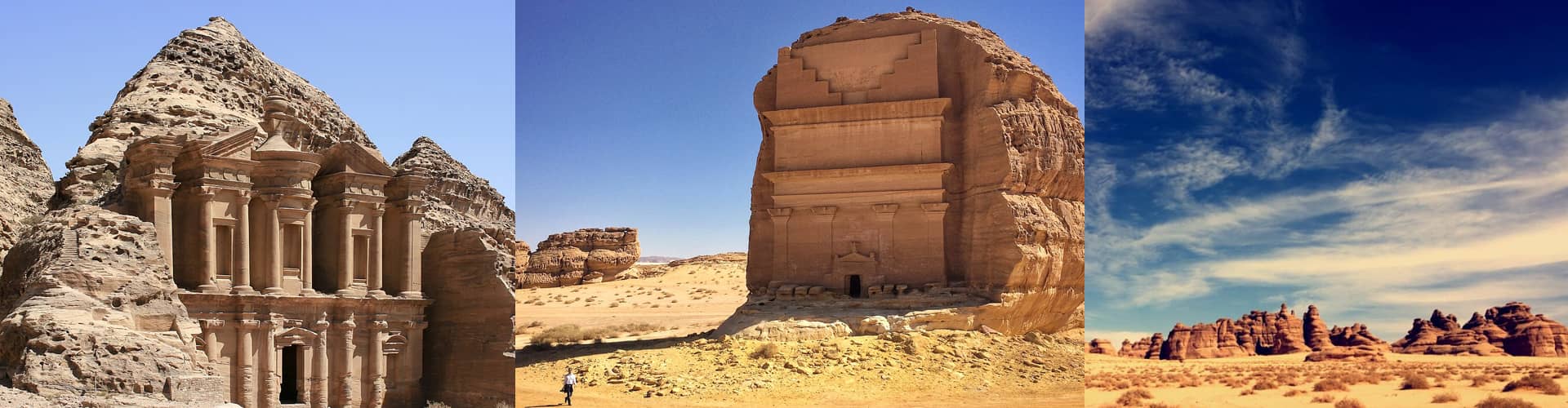
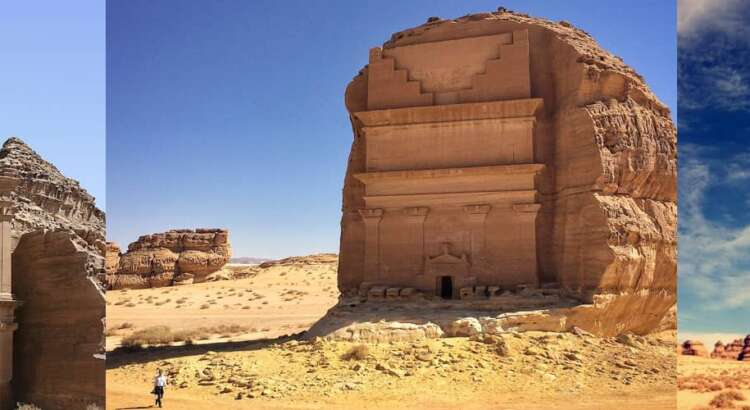
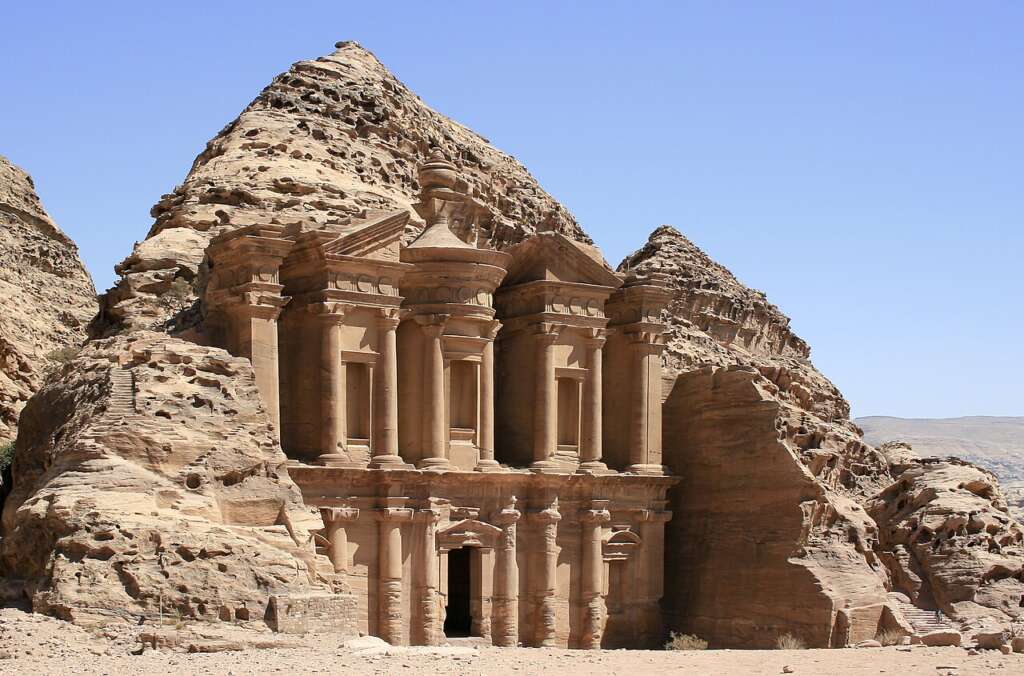
Hegra, also known as Madain Saleh, is Saudi Arabia’s first UNESCO World Heritage Site and one of the country’s most remarkable archaeological treasures. Located near AlUla in northwestern Saudi Arabia, Hegra was once the southernmost city of the ancient Nabataean Kingdom, the same civilization that built Petra in Jordan. Today, it preserves more than 100 monumental tombs carved into towering sandstone cliffs, showcasing exceptional craftsmanship and architectural detail.
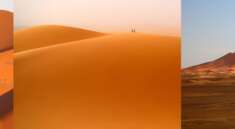
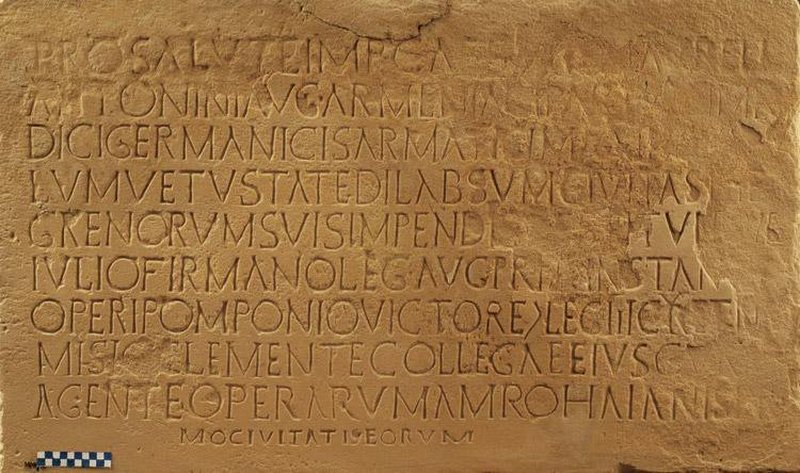
Dating back over 2,000 years, Hegra flourished as an important stop along ancient trade routes that connected Arabia with the Mediterranean and beyond. Visitors can admire beautifully decorated tomb facades, inscriptions, rock formations, and well-preserved archaeological remains that reveal the region’s rich cultural heritage. The surrounding desert landscape, with its dramatic cliffs and golden sands, adds to the site’s unforgettable beauty.
Modern visitor facilities and guided tours allow travelers to explore Hegra while learning about its fascinating history, engineering, and Nabataean culture. Nearby AlUla also offers museums, luxury accommodations, and spectacular natural attractions that complement a visit to the site.
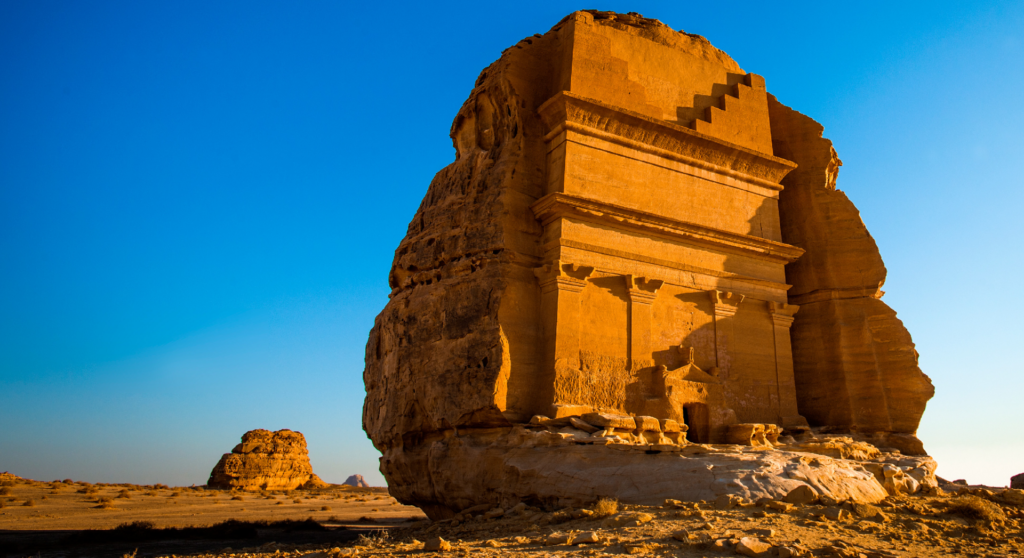
Whether you’re passionate about archaeology, photography, or history, Hegra offers an extraordinary journey into one of the Middle East’s most significant ancient civilizations and stands as one of Saudi Arabia’s must-visit destinations.
How to Get to Hegra
By Air
- The nearest airport is Prince Abdul Majeed bin Abdulaziz International Airport.
- From the airport, Hegra can be reached by taxi, rental car, or organized tour in a short drive.
By Car
- Visitors can drive to AlUla via well-maintained highways from major Saudi cities.
- Renting a car provides flexibility to explore nearby attractions.
By Guided Tour
- Access to Hegra is typically through guided tours organized by authorized operators.
- Tours include transportation within the archaeological site and historical commentary.
By Bus
- Intercity bus services connect AlUla with selected cities, followed by local transportation to Hegra.
Local Transport
- Shuttle buses and guided vehicles operate within the Hegra site to protect the archaeological area and enhance the visitor experience.
Things to Do in Hegra
- Explore the monumental Nabataean tombs.
- Visit the famous Qasr Al-Farid (The Lonely Castle).
- Join a guided archaeological tour.
- Photograph the dramatic sandstone formations.
- Learn about Nabataean history and culture.
- Visit ancient wells and rock inscriptions.
- Explore nearby AlUla Old Town.
- Enjoy desert landscapes and scenic viewpoints.
- Visit cultural exhibitions and museums in AlUla.
- Experience stargazing in the desert.
- Take a heritage or photography tour.
- Discover nearby natural rock formations.
Things Not to Forget for Your Trip to Hegra
- Wear lightweight, breathable clothing.
- Bring comfortable walking shoes.
- Carry sunscreen, sunglasses, and a hat.
- Pack plenty of drinking water.
- Bring a camera for the spectacular scenery.
- Carry a portable charger or power bank.
- Respect heritage site regulations and restricted areas.
- Dress modestly in accordance with local customs.
- Book guided tours in advance.
- Carry your passport or identification.
- Visit early or late in the day to avoid peak heat.
- Keep cash or payment cards for local purchases.
Best Time to Visit Hegra
⭐ Best Overall Time: October to April
- Pleasant temperatures make exploring the desert site comfortable.
- Ideal conditions for sightseeing, photography, and guided tours.
Winter (December to February) ⭐ Highly Recommended
- Cool daytime weather is perfect for walking around the archaeological site.
- One of the most popular seasons to visit AlUla and Hegra.
Autumn (October to November)
- Warm days and cooler evenings provide excellent sightseeing conditions.
- Great time for outdoor cultural experiences.
Spring (March to April)
- Comfortable temperatures before the summer heat arrives.
- Excellent for photography and desert exploration.
Summer (May to September)
- Extremely hot daytime temperatures make sightseeing challenging.
- Early morning or evening visits are recommended if traveling during this period.
Why Was Hegra Abandoned?
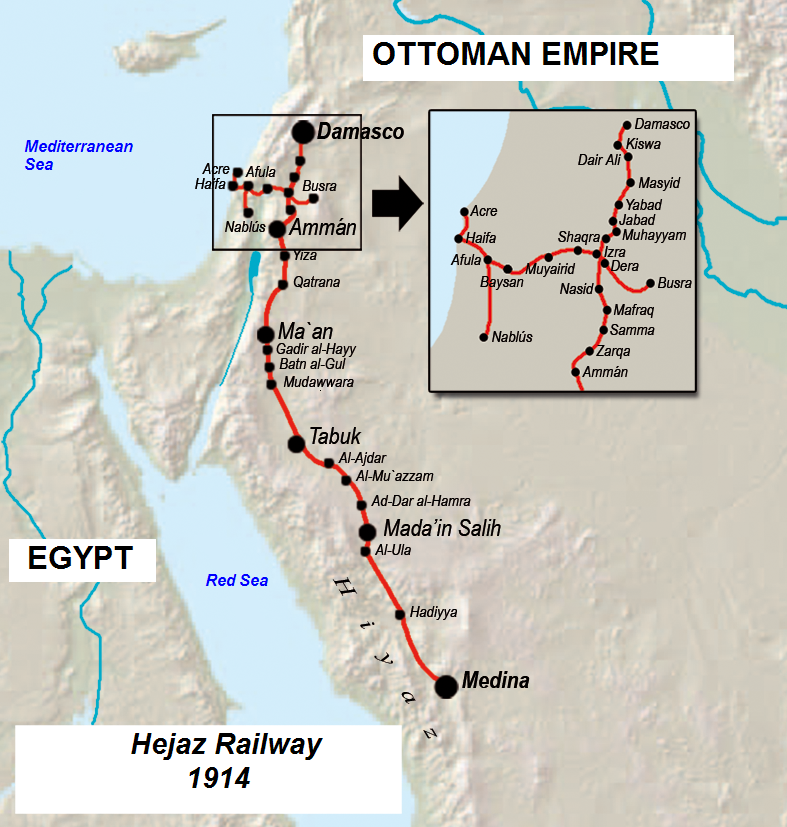
Hegra was gradually abandoned after the Roman Empire annexed the Nabataean Kingdom in 106 CE. As trade routes shifted and Roman-controlled cities became more important, Hegra lost its strategic role as a major commercial center.
Main Reasons for Its Decline
- Loss of Trade Importance: Ancient caravan routes changed, reducing Hegra’s economic significance.
- Roman Rule: After the Roman annexation, administrative and commercial activities moved to other cities.
- Economic Decline: With fewer traders passing through, the city’s population gradually decreased.
- Desert Environment: The harsh desert conditions made it difficult to sustain a large settlement without thriving trade.
What Is Hegra Famous For?
- Saudi Arabia’s First UNESCO World Heritage Site: Hegra became the country’s first UNESCO World Heritage Site in 2008.
- Nabataean Tombs: It is famous for more than 100 monumental tombs carved into massive sandstone rocks by the ancient Nabataean civilization.
- Qasr Al-Farid: The iconic Qasr al-Farid (The Lonely Castle) is Hegra’s most photographed landmark.
- Ancient Trade Center: Hegra was once a major stop on the Nabataean trade routes connecting Arabia with the Mediterranean.
- Well-Preserved Archaeological Site: Visitors can explore ancient inscriptions, wells, rock carvings, and impressive funerary monuments.
- Spectacular Desert Landscape: The site is surrounded by dramatic sandstone cliffs and desert scenery, making it a favorite destination for photographers and history enthusiasts.
- Connection to Petra: Hegra was built by the same Nabataean civilization that created Petra, often earning it the nickname “Saudi Arabia’s Petra.”
Image credits: en.wikipedia.org