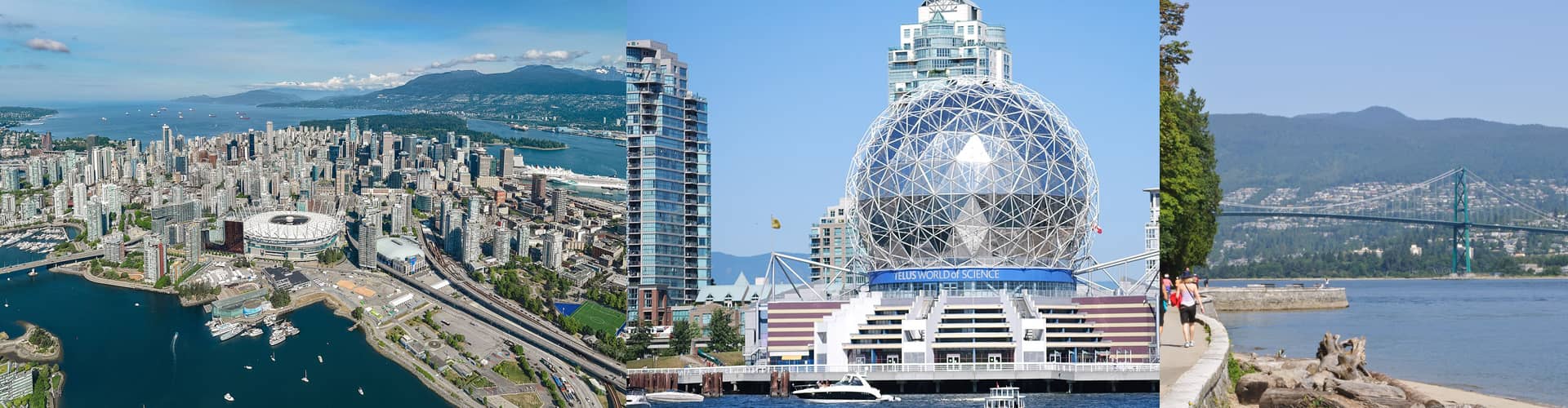
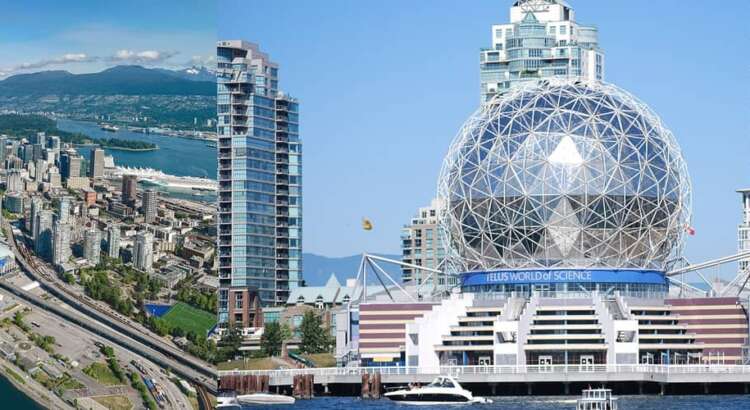
Vancouver is one of Canada’s most beautiful and livable cities, celebrated for its spectacular combination of urban sophistication and natural scenery. Situated between the Pacific Ocean and the Coast Mountains, the city offers breathtaking views in nearly every direction. Visitors are drawn to Vancouver’s vibrant neighborhoods, scenic waterfronts, diverse cultural attractions, and outdoor recreational opportunities.
The city is known for its clean streets, multicultural atmosphere, and excellent quality of life. Whether exploring bustling markets, strolling along picturesque seawalls, or relaxing in expansive urban parks, travelers will find plenty to enjoy. Vancouver’s culinary scene is equally impressive, featuring fresh seafood, international cuisine, and innovative local restaurants.
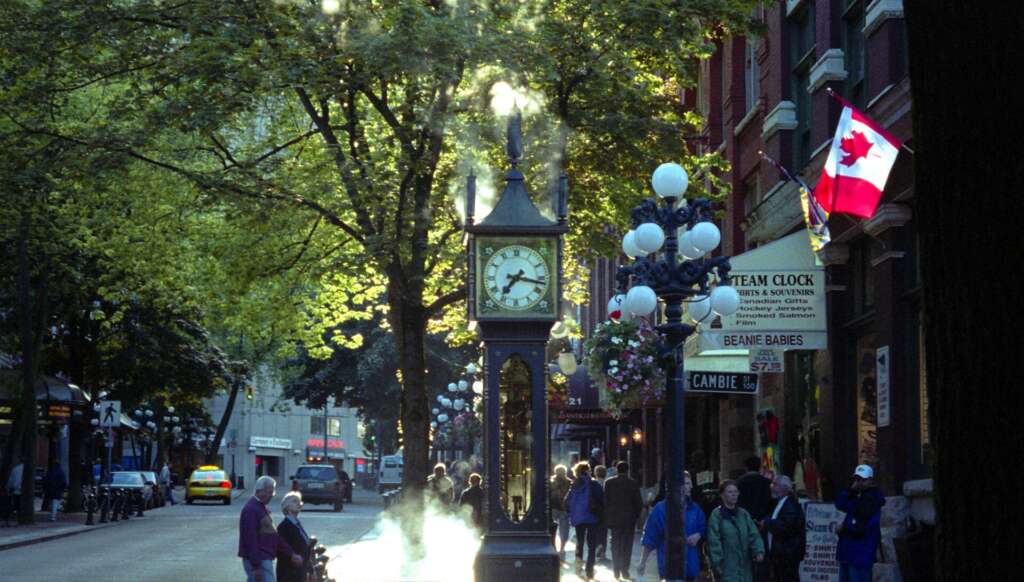
Outdoor enthusiasts appreciate the city’s easy access to hiking trails, beaches, forests, and nearby mountain resorts. In a single day, visitors can explore downtown attractions, enjoy waterfront activities, and venture into the surrounding wilderness. Popular areas such as Stanley Park, Granville Island, and the historic Gastown district showcase Vancouver’s unique blend of nature, history, and modern culture.
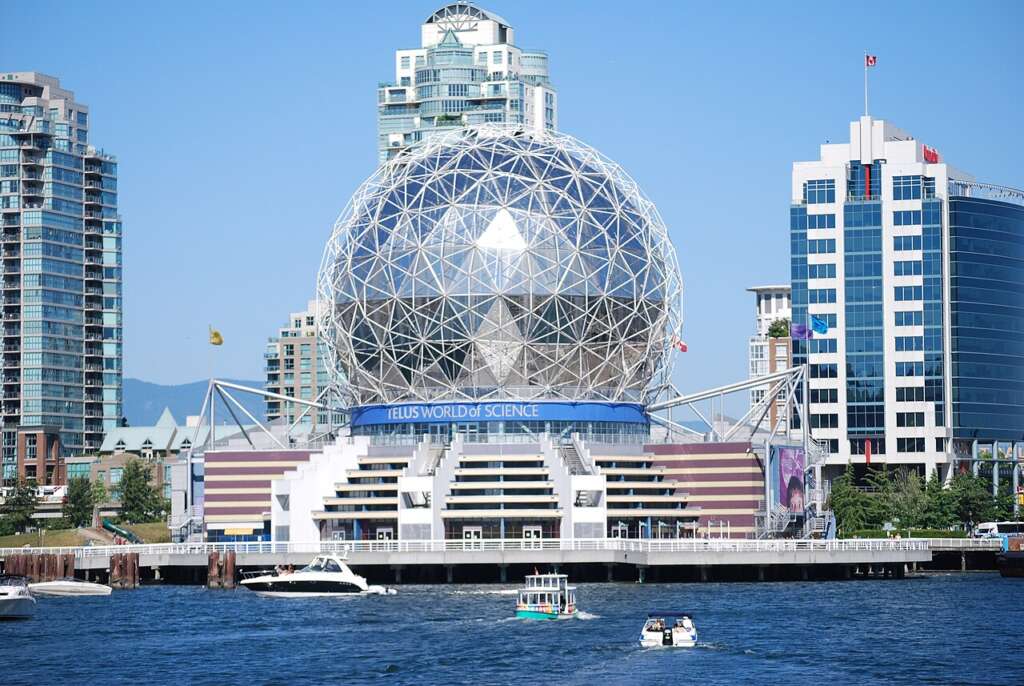
Throughout the year, festivals, sporting events, and cultural celebrations add to the city’s lively atmosphere. Whether you’re seeking adventure, relaxation, shopping, or sightseeing, Vancouver provides an unforgettable experience. Its remarkable setting, welcoming community, and diverse attractions make it one of the most rewarding destinations in Canada.
How to Get to Vancouver
By Air
- Most visitors arrive through Vancouver International Airport, one of Canada’s busiest airports.
- Direct flights connect Vancouver with major cities across North America, Europe, and Asia.
By Train
- Rail services connect Vancouver with other Canadian destinations and scenic routes across the country.
- Train travel offers beautiful views of mountains, forests, and rivers.
By Bus
- Long-distance bus services operate from nearby cities and regions.
- This option is suitable for budget-conscious travelers.
By Car
- Vancouver is connected by major highways to destinations throughout British Columbia and neighboring regions.
- Driving allows flexibility for exploring nearby attractions.
By Cruise Ship
- Vancouver is a major departure point for Alaska cruises and receives numerous international cruise ships.
- The city’s cruise terminal is conveniently located near downtown.
Local Transport
- Public transit, buses, ferries, cycling paths, and walking routes make getting around Vancouver easy and efficient.
Things to Do in Vancouver
- Explore Stanley Park and its famous seawall.
- Visit Granville Island and its vibrant public market.
- Walk through the historic streets of Gastown.
- Experience the Capilano Suspension Bridge.
- Relax at English Bay and Kitsilano Beach.
- Ride the gondola for panoramic mountain views.
- Explore Vancouver’s museums and art galleries.
- Enjoy whale-watching tours from the waterfront.
- Discover local cuisine and fresh seafood restaurants.
- Cycle along scenic waterfront trails.
- Visit nearby mountains for hiking and outdoor adventures.
- Take a day trip to surrounding coastal and mountain destinations.
Things Not to Forget for Your Trip to Vancouver
- Pack a waterproof jacket, especially outside summer.
- Bring comfortable walking shoes.
- Carry layers for changing weather conditions.
- Pack sunscreen and sunglasses for sunny days.
- Bring a camera for city and nature photography.
- Keep travel documents and identification secure.
- Carry a reusable water bottle.
- Bring a portable charger for long sightseeing days.
- Pack an umbrella during wetter seasons.
- Book major attractions in advance during peak periods.
- Download offline maps for convenient navigation.
- Keep a credit card available, as cashless payments are common.
Best Time to Visit Vancouver
⭐ Best Overall Time: June to September
- Warm temperatures, longer daylight hours, and generally dry weather make this the ideal time to visit.
- Outdoor attractions, festivals, and waterfront activities are at their best.
Summer (June to September) ⭐ Highly Recommended
- Pleasant weather is perfect for sightseeing, hiking, cycling, and beach activities.
- Most outdoor events and festivals take place during this season.
Spring (March to May)
- Blooming gardens and mild temperatures create excellent sightseeing conditions.
- Visitor numbers are generally lower than during summer.
Autumn (September to November)
- Beautiful fall colors and comfortable temperatures make this a great time to explore.
- Crowds begin to decrease after the summer peak.
Winter (December to February)
- Mild winters compared to much of Canada.
- Nearby mountains offer skiing, snowboarding, and winter activities.
Helpful Travel Tips
- Visit between June and September for the best weather.
- Carry a light waterproof jacket year-round.
- Use public transportation to avoid downtown parking challenges.
- Reserve accommodations early during summer and major events.
- Combine city sightseeing with nearby mountain and coastal excursions.
Why Is Vancouver Famous?
- Spectacular Natural Setting: Vancouver is famous for its unique location between the Pacific Ocean and the Coast Mountains, offering stunning scenery throughout the city.
- Stanley Park: One of North America’s largest urban parks, Stanley Park is a major attraction known for its seawall, forests, and waterfront views.
- Outdoor Lifestyle: The city is renowned for hiking, cycling, kayaking, skiing, snowboarding, and other outdoor activities that are easily accessible year-round.
- High Quality of Life: Vancouver consistently ranks among the world’s most livable cities due to its safety, infrastructure, healthcare, and natural environment.
- Multicultural Culture: The city is home to diverse communities, creating a vibrant mix of cuisines, festivals, and cultural experiences.
- Film Industry: Often called “Hollywood North,” Vancouver is a major filming location for movies and television shows.
- Beautiful Waterfront: Areas such as English Bay, Coal Harbour, and False Creek attract visitors with scenic views and recreational activities.
- Gateway to Adventure: Vancouver serves as a starting point for exploring destinations throughout British Columbia, including mountains, islands, and national parks.
Is Vancouver Cheap or Expensive?
Vancouver is generally considered one of the most expensive cities in Canada.
- Accommodation: Hotels and vacation rentals can be costly, especially during summer and peak tourist seasons.
- Dining: Restaurants range from budget-friendly options to high-end dining, but prices are typically higher than in many other Canadian cities.
- Transportation: Public transit is efficient and reasonably priced, helping visitors save money.
- Attractions: Many outdoor attractions, parks, beaches, and walking trails are free or low-cost.
- Shopping: Downtown shopping and entertainment districts tend to be expensive.
Image credits: en.wikipedia.org