Madagascar is one of the world’s most unique island destinations, located off the southeastern coast of Africa in the Indian Ocean. The country is famous for its extraordinary wildlife, tropical rainforests, beautiful beaches, unusual landscapes, and rich biodiversity found nowhere else on Earth.
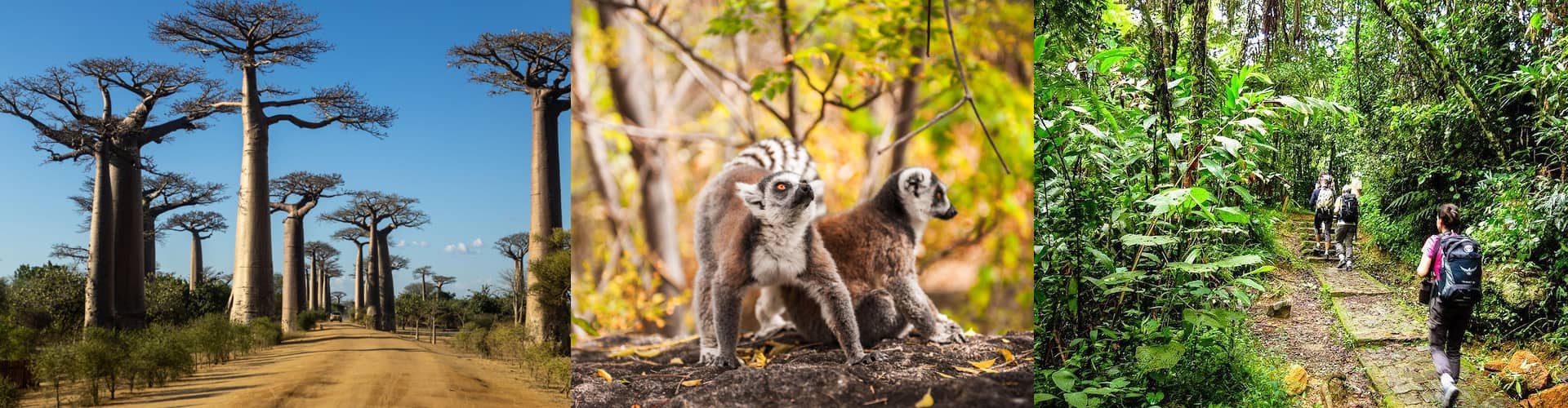
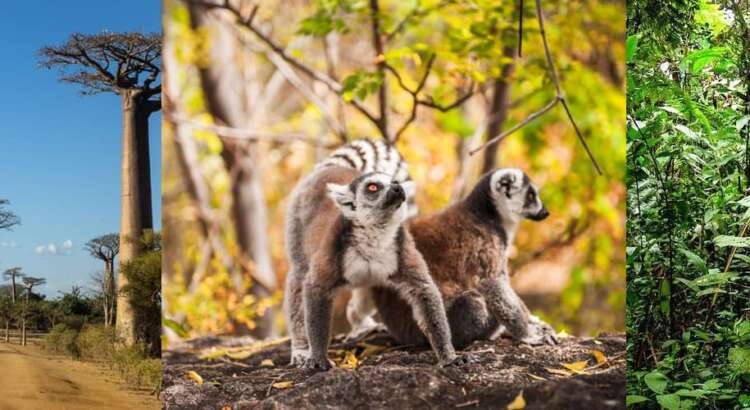
Often called a “living natural museum,” Madagascar is home to thousands of plant and animal species that exist only on the island. One of its most famous animals is the lemur, a unique primate that has become a symbol of Madagascar’s wildlife. Visitors can also discover colorful chameleons, rare birds, exotic plants, and diverse marine life across the island.
Madagascar is admired for its dramatic natural scenery, including rainforests, mountains, limestone formations, waterfalls, and giant baobab trees. The famous Avenue of the Baobabs is one of the country’s most photographed attractions because of its massive ancient trees and beautiful sunsets.
The island also offers stunning coastal destinations with white-sand beaches, turquoise waters, coral reefs, and tropical islands ideal for relaxation, snorkeling, and diving. Nature lovers and adventure travelers often visit Madagascar for trekking, wildlife tours, photography, and eco-tourism experiences.
In addition to its natural beauty, Madagascar has a rich cultural heritage influenced by African, Asian, and French traditions. Travelers can experience local markets, traditional villages, handicrafts, music, and regional cuisine while exploring the country.
Because of its isolated location and extraordinary biodiversity, Madagascar feels very different from most travel destinations around the world. The combination of rare wildlife, tropical landscapes, beaches, forests, and cultural experiences makes Madagascar one of the most fascinating and unforgettable destinations for travelers seeking nature and adventure.
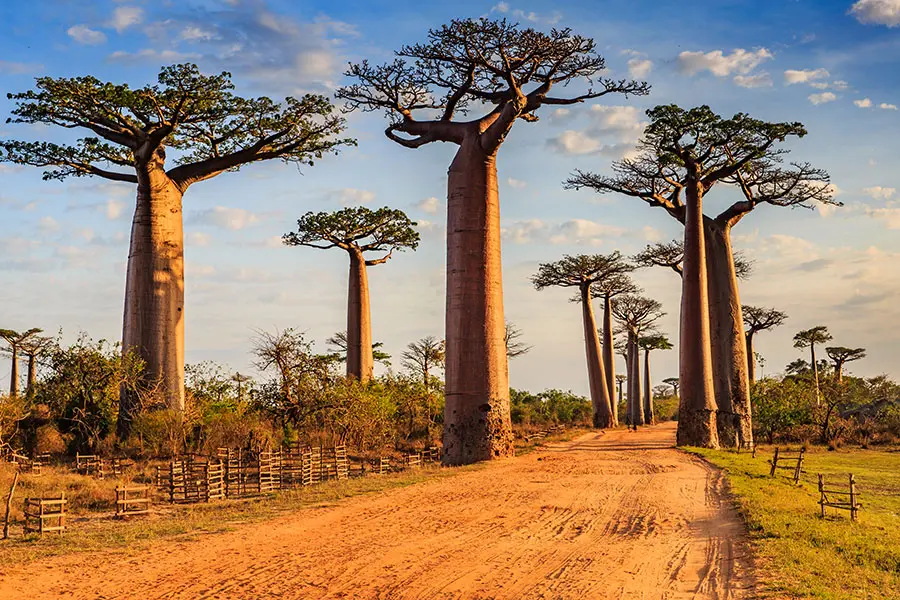
Image credits: go2africa.com
How to Get to Madagascar
By Air
- The main way to reach Madagascar is by international flight.
- Most travelers arrive at Ivato International Airport, located near the capital city of Antananarivo.
- The airport connects Madagascar with major international destinations in Africa, Europe, and the Middle East.
International Travel Routes
- Travelers from India usually reach Madagascar through connecting flights via cities such as Dubai, Addis Ababa, Nairobi, Mauritius, Paris, or Johannesburg.
- Direct flights from India are generally limited, so most journeys require at least one international connection.
Domestic Flights Within Madagascar
- Domestic flights are commonly used to travel between different regions of Madagascar because the island is large and road journeys can take significant time.
- Local airlines connect major tourist destinations, beaches, and national parks across the country.
Transportation from the Airport
- Travelers can use taxis, hotel transfers, or private transportation services from the airport to reach hotels and city areas.
- Many tour operators also arrange airport pickup services for visitors.
By Road
- Roads connect many cities and tourist destinations across Madagascar, but travel times can be long because of mountainous terrain and road conditions.
- Guided tours and private vehicles are popular for exploring remote regions and national parks.
Travel Planning Tip
- Book flights, accommodations, and domestic tours in advance, especially during peak travel seasons.
- Keep extra travel time for domestic transfers and long-distance road journeys within Madagascar.
Things to Do in Madagascar
- Explore Madagascar’s national parks and rainforests to discover rare wildlife and unique tropical landscapes.
- See famous lemurs in their natural habitat and experience one of the world’s most unique wildlife destinations.
- Visit Avenue of the Baobabs and enjoy stunning views of giant ancient trees during sunrise or sunset.
- Relax on beautiful beaches with turquoise water, white sand, and peaceful island scenery.
- Enjoy snorkeling and diving experiences to explore coral reefs, marine life, and tropical ocean ecosystems.
- Take wildlife photography tours and capture Madagascar’s colorful animals, forests, and natural beauty.
- Explore limestone formations, caves, waterfalls, and scenic mountain regions across the island.
- Visit local villages and markets to experience Malagasy culture, traditional crafts, and regional cuisine.
- Enjoy trekking and hiking adventures through forests, national parks, and remote natural areas.
- Discover unique reptiles and chameleons that are found only in Madagascar.
- Take boat tours and island excursions around coastal regions and nearby tropical islands.
- Experience eco-tourism activities focused on conservation, nature, and sustainable travel.
- Visit tropical rainforests filled with exotic birds, plants, and rare animal species.
- Enjoy peaceful sunsets along the coastline and scenic viewpoints around the island.
- Explore one of the most biodiverse and naturally unique destinations in the world.
Things Not to Forget While Visiting Madagascar
- Carry lightweight and comfortable clothing suitable for tropical weather and outdoor exploration.
- Bring hiking shoes or comfortable walking footwear for national parks, trekking trails, and nature tours.
- Use insect repellent because mosquitoes and insects are common in rainforest and coastal regions.
- Carry sunscreen, sunglasses, and a hat for protection during beach visits and outdoor activities.
- Keep rain jackets or waterproof clothing ready because weather conditions can change in rainforest areas.
- Bring important medicines and basic medical supplies, especially when visiting remote regions with limited facilities.
- Carry enough cash because card payment facilities and ATMs may not be easily available in smaller towns or rural areas.
- Keep passports, travel documents, hotel bookings, and identification stored safely during the trip.
- Book domestic flights, tours, and accommodations in advance because transportation schedules may be limited in some areas.
- Bring cameras or fully charged phones because Madagascar offers excellent wildlife and landscape photography opportunities.
- Respect local culture, traditions, and wildlife conservation rules while exploring villages and natural parks.
- Stay hydrated during long road trips, trekking activities, and outdoor sightseeing.
- Carry waterproof bags or protective covers for electronics during beach tours, boat trips, and rainy weather.
- Follow local guides during wildlife tours and avoid disturbing animals in protected areas.
- Check weather conditions before planning island tours, hiking adventures, or long-distance travel across Madagascar.
Best Time to Visit Madagascar
Dry Season (April to October) – Best Time for Travel and Wildlife
The dry season is considered the best time to visit Madagascar because the weather remains cooler, drier, and more comfortable for outdoor exploration.
This season is perfect for wildlife tours, national park visits, trekking, photography, and beach activities. Lemurs, chameleons, and other unique animals are easier to spot during these months.
The dry weather also makes road travel and nature excursions more convenient across different parts of the island.
Rainy Season (November to March) – Best for Green Landscapes
The rainy season brings lush rainforest scenery, greener landscapes, and vibrant tropical vegetation throughout Madagascar.
Although the island becomes very beautiful during this period, heavy rainfall and occasional cyclones can affect road conditions, domestic travel, and outdoor activities in certain regions.
Some remote parks and routes may also become difficult to access during periods of strong rain.
Peak Tourist Season (July to September) – Best for Nature and Adventure**
These months attract many international travelers because of excellent weather conditions and wildlife experiences. National parks, eco-lodges, and beach destinations may become busier during this period, so advance booking is recommended.
Best Recommended Season
April to October is generally considered the best time to visit Madagascar because of the pleasant climate, easier travel conditions, wildlife viewing opportunities, and outdoor adventure experiences.
What are 5 facts about Madagascar?
- Madagascar is the fourth-largest island in the world and is located in the Indian Ocean off the southeastern coast of Africa.
- The country is famous for its unique wildlife, especially lemurs, which are found naturally only in Madagascar.
- Around 90% of Madagascar’s plant and animal species are unique to the island and cannot be found anywhere else on Earth.
- Avenue of the Baobabs is one of Madagascar’s most famous attractions, known for its giant ancient baobab trees.
- Madagascar has a wide variety of landscapes, including rainforests, mountains, beaches, deserts, limestone formations, and coral reefs.