Sapa is one of the most scenic mountain destinations in Vietnam, famous for its breathtaking rice terraces, misty valleys, mountain landscapes, and rich cultural experiences. Located in Lao Cai Province near the northern border of Vietnam, Sapa attracts travelers looking for nature, trekking adventures, and peaceful countryside beauty.
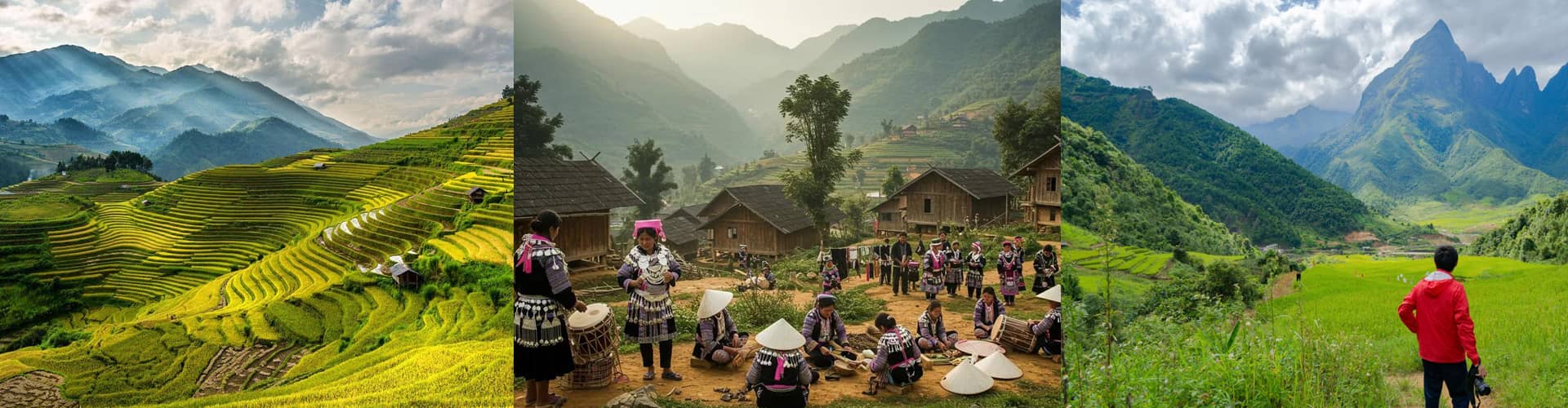
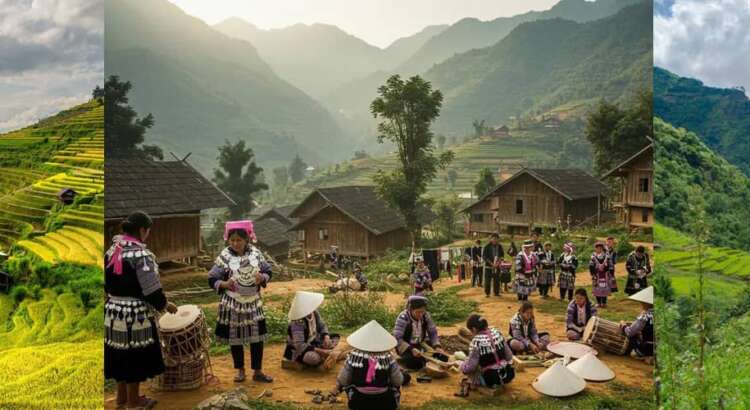
The region is especially admired for its terraced rice fields that stretch across hillsides and mountains, creating some of the most beautiful agricultural landscapes in Southeast Asia. During the growing season, the rice terraces become vibrant green, while harvest season transforms them into stunning golden fields.
Sapa is also known for its cool mountain climate and spectacular views of the Hoàng Liên Son mountain range. The area is home to Fansipan Mountain, the highest mountain in Vietnam, often called the “Roof of Indochina.” Visitors can reach the summit through trekking routes or cable car experiences offering panoramic mountain scenery.
Trekking is one of the most popular activities in Sapa. Travelers often explore valleys, forests, waterfalls, and traditional villages while learning about local ethnic communities such as the Hmong and Dao people. These villages provide cultural experiences, handicrafts, local food, and traditional lifestyles that make Sapa unique.
The destination also offers opportunities for photography, nature walks, local market visits, and peaceful relaxation surrounded by mountains and clouds.
Because of its combination of natural beauty, cool weather, cultural diversity, and outdoor adventure, Sapa is considered one of Vietnam’s most unforgettable travel destinations. The peaceful mountain atmosphere and dramatic scenery make it especially popular among nature lovers, trekkers, and travelers seeking authentic cultural experiences.
How to Get to Sapa
By Air
- The nearest major international airport for visiting Sapa is Noi Bai International Airport in Hanoi.
- International travelers usually arrive in Hanoi before continuing their journey to Sapa by road or train.
By Train
- Overnight trains operate between Hanoi and Lao Cai City, which is the nearest railway station to Sapa.
- From Lao Cai, travelers continue to Sapa by taxi, shuttle bus, or private vehicle.
By Bus or Limousine Van
- Many travelers choose direct sleeper buses or luxury limousine vans from Hanoi to Sapa.
- Road travel is one of the most convenient and popular ways to reach the mountain town.
By Private Car
- Private cars and guided tours are available for travelers who prefer flexible travel schedules and scenic mountain road journeys.
International Travel Routes
- Travelers from India usually fly to Hanoi through connecting flights via Bangkok, Kuala Lumpur, Singapore, or other Asian transit hubs before continuing to Sapa.
Travel Planning Tip
- Book trains, buses, and hotels early during peak travel seasons because Sapa is one of northern Vietnam’s most popular tourist destinations.
- Carry warm clothing because mountain temperatures can become cooler, especially during evenings and winter months.
Things to Do in Sapa
- Explore the famous rice terraces and enjoy breathtaking mountain scenery across the valleys of Sapa.
- Experience trekking adventures through forests, hills, waterfalls, and traditional villages.
- Visit Fansipan Mountain, the highest mountain in Vietnam, by trekking or cable car.
- Discover local ethnic villages and learn about traditional lifestyles, handicrafts, and cultural traditions.
- Enjoy photography tours featuring misty mountains, green rice fields, and scenic landscapes.
- Visit local markets to experience regional food, handmade crafts, and mountain culture.
- Explore waterfalls, rivers, and peaceful countryside areas around Sapa.
- Experience homestays with local communities for a more authentic cultural experience.
- Enjoy mountain sunrise and sunset views surrounded by clouds and valleys.
- Taste traditional Vietnamese mountain cuisine and local specialties.
- Take nature walks through forests and scenic mountain trails.
- Visit nearby viewpoints offering panoramic views of the Hoàng Liên Son mountain range.
- Enjoy cable car rides with spectacular aerial views of mountains and valleys.
- Relax in the cool mountain climate away from crowded city environments.
- Experience one of Vietnam’s most beautiful destinations known for nature, culture, and trekking adventures.
Things Not to Forget While Visiting Sapa
- Carry warm clothing because temperatures in Sapa can become cool, especially during evenings, winter months, and mountain treks.
- Bring comfortable trekking shoes suitable for walking through mountain trails, rice terraces, and village paths.
- Keep rain jackets or waterproof clothing ready because weather conditions in mountain regions can change quickly.
- Carry sunscreen, sunglasses, and a hat for protection during outdoor activities and trekking tours.
- Bring insect repellent for forest walks, countryside exploration, and village visits.
- Keep passports, travel documents, hotel bookings, and transportation tickets safely stored during the trip.
- Carry enough cash because smaller villages and local markets may not always accept card payments.
- Bring a power bank and phone charger while exploring remote mountain areas for long hours.
- Stay hydrated during trekking and outdoor adventures around valleys and hills.
- Book hotels, trains, buses, and trekking tours early during peak tourist seasons because Sapa is a popular destination.
- Carry cameras or fully charged phones because Sapa offers excellent photography opportunities with mountains, clouds, and rice terraces.
- Respect local ethnic communities, traditions, and village customs while visiting rural areas.
- Check weather forecasts before trekking or visiting mountain viewpoints because fog and rain can affect visibility.
- Pack light but include essential travel items for comfortable mountain travel and outdoor activities.
- Follow local guide instructions during trekking and nature tours for a safer travel experience.
Best Time to Visit Sapa
Spring Season (March to May) – Best for Pleasant Weather and Green Landscapes
Spring is one of the best times to visit Sapa because the weather remains cool and comfortable for trekking and sightseeing.
The mountains and valleys become greener during this season, creating beautiful scenery for photography and outdoor activities.
Summer Season (June to August) – Best for Rice Terraces
Summer is famous for Sapa’s vibrant green rice terraces, which become one of the region’s biggest attractions during the growing season.
Although occasional rainfall can occur, the landscapes appear especially fresh and colorful during these months.
Autumn Season (September to November) – Best for Golden Rice Fields and Clear Views
Autumn is considered one of the most beautiful seasons in Sapa because the rice terraces turn golden before harvest.
The weather is usually cooler with clearer skies, making this season ideal for trekking, photography, and mountain sightseeing.
Winter Season (December to February) – Best for Misty Mountain Atmosphere
Winter brings cold temperatures, foggy scenery, and a peaceful atmosphere to Sapa. In some years, temperatures may become cold enough for frost or light snowfall in nearby mountain areas.
This season offers a unique experience for travelers who enjoy cool weather and dramatic mountain views.
Best Recommended Season
March to May and September to November are generally considered the best times to visit Sapa because of the pleasant weather, beautiful rice terrace scenery, and excellent trekking conditions.
Is Sapa, Vietnam worth visiting?
Yes, Sapa is definitely worth visiting, especially for travelers who enjoy mountains, nature, trekking, cultural experiences, and peaceful landscapes. It is considered one of the most beautiful destinations in Vietnam because of its scenic rice terraces, cool climate, and dramatic mountain views.
Sapa is famous for its breathtaking terraced rice fields spread across valleys and hillsides. The region offers incredible scenery throughout the year, especially during the green growing season and golden harvest months.
The destination is also popular for trekking adventures. Visitors can explore mountain trails, forests, waterfalls, and traditional ethnic villages while experiencing local culture and countryside life.
Another major highlight is Fansipan Mountain, the highest mountain in Vietnam. Travelers can enjoy panoramic mountain views through trekking routes or cable car rides.
Sapa is also admired for its cooler weather compared to many other parts of Vietnam, making it a refreshing escape from busy cities and tropical heat.
Photography lovers, nature enthusiasts, and adventure travelers often consider Sapa one of the most unforgettable places in Southeast Asia because of its peaceful atmosphere and scenic beauty.
While road travel to Sapa can take several hours from Hanoi, most visitors feel the mountain landscapes and cultural experiences make the journey completely worthwhile.
Which month to avoid Sapa?
Many travelers try to avoid visiting Sapa during July and August because these months are part of the heavy rainy season in northern Vietnam.
During this period, Sapa can experience:
- Frequent rainfall
- Slippery trekking trails
- Foggy mountain views
- Possible landslides in some areas
- Reduced visibility for photography and sightseeing
Heavy rain may also affect outdoor activities such as trekking, village tours, and mountain exploration.
However, the landscapes remain extremely green and beautiful during the rainy season, so some travelers still enjoy visiting for the lush scenery and fewer tourist crowds.
For more comfortable weather and clearer mountain views, most travelers prefer visiting Sapa between:
- March to May
- September to November
These seasons usually offer better trekking conditions, pleasant temperatures, and more scenic rice terrace views.
Why is Sapa famous?
Sapa is famous for its breathtaking rice terraces, mountain landscapes, cool climate, trekking adventures, and rich ethnic culture. Located in northern Vietnam, Sapa is considered one of the country’s most scenic and peaceful travel destinations.
The region is especially known for its terraced rice fields spread across mountains and valleys, creating spectacular natural scenery that attracts photographers and nature lovers from around the world.
Sapa is also popular for trekking experiences through forests, hills, waterfalls, and traditional villages. Travelers often visit to explore local ethnic communities such as the Hmong and Dao people and experience their culture, handicrafts, and mountain lifestyles.
Another major reason for Sapa’s popularity is Fansipan Mountain, the highest mountain in Vietnam. Visitors can enjoy panoramic views through trekking routes or cable car rides to the summit.
The destination is admired for its cooler mountain weather, misty landscapes, and peaceful atmosphere, which provide a refreshing escape from crowded cities and tropical heat.
Sapa is also famous for beautiful sunrise views, golden rice fields during harvest season, local markets, and authentic countryside experiences.
The combination of mountain scenery, cultural diversity, trekking adventures, and natural beauty has made Sapa one of the most visited and unforgettable destinations in Vietnam.