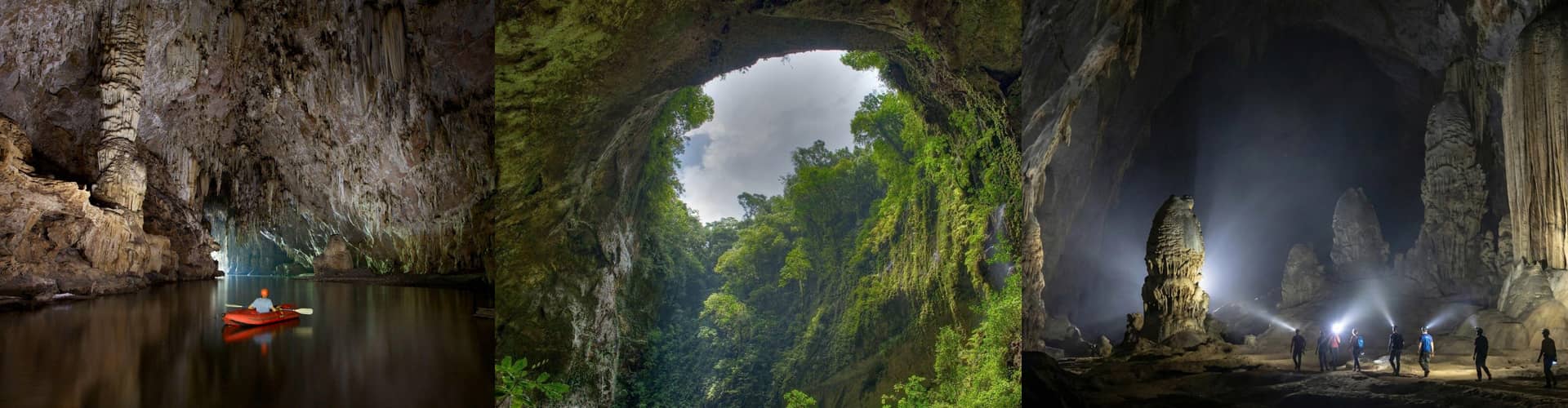
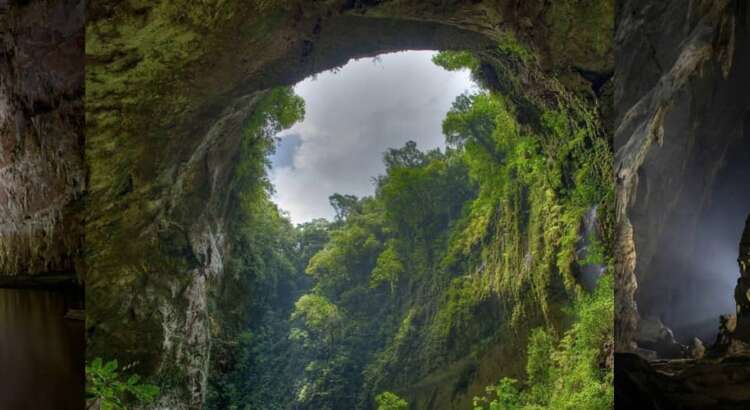
Phong Nha-Kẻ Bàng National Park is one of the most remarkable natural destinations in Vietnam, famous for its giant caves, limestone mountains, underground rivers, and tropical jungle landscapes. Located in Quang Binh Province in central Vietnam, the park is recognized as a UNESCO World Heritage Site because of its extraordinary geological formations and biodiversity.
The national park is internationally known for its massive cave systems, including some of the largest caves in the world. One of the most famous attractions is Son Doong Cave, considered the world’s largest cave. The region also contains many other impressive caves filled with underground rivers, giant chambers, rock formations, and spectacular natural scenery.
Visitors can explore caves through guided tours, boat rides, trekking adventures, and jungle expeditions. Boat tours along rivers leading into cave entrances are especially popular because they offer peaceful and scenic experiences surrounded by limestone mountains and forests.
Phong Nha-Kẻ Bàng National Park is also rich in wildlife and tropical vegetation. The area contains forests, mountains, rivers, and rare species that attract nature lovers, photographers, and adventure travelers from around the world.
Outdoor activities such as hiking, cycling, kayaking, camping, and cave exploration make the destination ideal for adventure tourism. The peaceful countryside atmosphere around the park also provides opportunities to experience local villages and traditional Vietnamese rural life.
The combination of giant caves, underground rivers, jungle scenery, and outdoor adventure has made Phong Nha-Kẻ Bàng National Park one of the most exciting travel destinations in Southeast Asia. Its extraordinary natural beauty and unique geological features continue to attract travelers seeking unforgettable exploration experiences in Vietnam.
How to Get to Phong Nha-Kẻ Bàng National Park
By Air
- The nearest airport to Phong Nha-Kẻ Bàng National Park is Dong Hoi Airport in Quang Binh Province.
- Travelers usually fly to Dong Hoi from major Vietnamese cities such as Hanoi or Ho Chi Minh City before continuing to the park area.
From Dong Hoi to Phong Nha
- The national park is located a few hours from Dong Hoi by road.
- Visitors can travel by taxi, private car, local bus, motorbike, or organized tour transportation.
By Train
- Travelers can also reach Dong Hoi by train from major cities in Vietnam.
- After arriving at Dong Hoi Railway Station, transportation services are available to Phong Nha village and the national park.
By Bus
- Long-distance sleeper buses connect Dong Hoi and Phong Nha with cities such as Hanoi, Da Nang, Hue, and Ho Chi Minh City.
- Bus travel is a popular option for budget travelers exploring Vietnam.
International Travel Routes
- Travelers from India usually fly to Hanoi or Ho Chi Minh City through international transit hubs before taking domestic transportation to Dong Hoi and Phong Nha.
Travel Planning Tip
- Book cave tours, hotels, and transportation early during peak travel seasons because adventure tours and cave expeditions often have limited availability.
- Carry comfortable clothing and outdoor essentials suitable for trekking, cave exploration, and jungle activities.
Things to Do in Phong Nha-Kẻ Bàng National Park
- Explore famous caves filled with underground rivers, giant chambers, and impressive limestone formations.
- Visit Son Doong Cave, known as the largest cave in the world and one of Vietnam’s greatest natural wonders.
- Enjoy scenic boat rides through rivers leading into cave entrances surrounded by limestone mountains and forests.
- Experience jungle trekking adventures across tropical forests, valleys, and mountain trails.
- Explore underground cave systems with guided tours designed for adventure travelers and nature lovers.
- Enjoy kayaking and river activities in peaceful natural surroundings near the national park.
- Visit smaller caves and scenic viewpoints offering beautiful photography opportunities.
- Experience camping and overnight adventure tours inside cave and jungle areas.
- Discover local villages and rural countryside landscapes around Phong Nha.
- Enjoy cycling through peaceful roads surrounded by mountains, rivers, and rice fields.
- Observe tropical wildlife, forests, and unique ecosystems within the UNESCO-protected park area.
- Take photography tours featuring caves, rivers, forests, and dramatic natural landscapes.
- Experience outdoor adventure activities such as hiking, climbing, and exploration tours.
- Relax in the peaceful natural environment away from crowded city destinations.
- Explore one of Southeast Asia’s most famous cave and eco-tourism destinations.
Things Not to Forget While Visiting Phong Nha-Kẻ Bàng National Park
- Carry comfortable trekking shoes suitable for cave exploration, jungle walks, and outdoor adventure activities.
- Bring lightweight clothing along with rain jackets because weather conditions can change quickly in tropical forest areas.
- Carry waterproof bags or protective covers for phones, cameras, and electronics during cave tours and boat rides.
- Use insect repellent because mosquitoes and insects are common in jungle and river environments.
- Bring flashlights or headlamps if joining adventure cave tours or trekking expeditions.
- Keep passports, travel documents, hotel bookings, and tour tickets stored safely during the trip.
- Stay hydrated and carry water bottles during trekking, cave exploration, and outdoor activities.
- Carry basic medicines and first-aid items because some adventure areas are located far from major towns.
- Book cave expeditions and guided tours early because some popular tours have limited daily visitor numbers.
- Bring cameras or fully charged phones because the caves and landscapes offer incredible photography opportunities.
- Follow safety instructions carefully during cave tours, boat rides, and jungle trekking activities.
- Respect the natural environment and avoid touching delicate cave formations or leaving waste inside protected areas.
- Carry extra clothing or towels because some cave tours involve water activities and underground rivers.
- Check weather forecasts before planning trekking or cave expeditions because heavy rainfall may affect accessibility.
- Prepare physically for adventure activities because certain caves and trekking routes may require moderate fitness levels.
Best Time to Visit Phong Nha-Kẻ Bàng National Park
Dry Season (February to August) – Best for Cave Exploration and Adventure Activities
The dry season is considered the best time to visit Phong Nha-Kẻ Bàng National Park because weather conditions are more suitable for trekking, cave tours, boat rides, and outdoor adventures.
During these months, rivers remain calmer, cave accessibility improves, and jungle trails are generally easier to explore.
This season is ideal for photography, sightseeing, and exploring famous caves such as Son Doong Cave and other underground river systems.
Spring Season (February to April) – Best for Pleasant Weather**
Spring offers comfortable temperatures, greener landscapes, and enjoyable conditions for trekking and cave exploration. Many travelers prefer this period because the weather remains less humid and outdoor activities become more comfortable.
Summer Season (May to August) – Best for Adventure Travel**
Summer is popular for adventure tourism, kayaking, cave expeditions, and jungle exploration. Although temperatures become warmer, the caves and river areas still provide refreshing experiences.
Rainy Season (September to January) – Best for Green Landscapes but Limited Activities**
The rainy season brings heavy rainfall and rising river levels, which may affect cave access and outdoor adventure tours. Certain caves and trekking routes may temporarily close during periods of flooding or bad weather.
However, the forests and landscapes become especially lush and beautiful during this season.
Best Recommended Season
February to August is generally considered the best time to visit Phong Nha-Kẻ Bàng National Park because of the favorable weather, better cave accessibility, and excellent conditions for outdoor exploration.
Is Phong Nha-Ke Bang National Park Worth Visiting?
Yes, Phong Nha is definitely worth visiting, especially for travelers who enjoy caves, nature, adventure activities, and peaceful landscapes. It is considered one of the most extraordinary natural destinations in Vietnam because of its massive cave systems, tropical forests, underground rivers, and outdoor adventure experiences.
The region is internationally famous for its spectacular caves, including Son Doong Cave, known as the largest cave in the world. Many other caves in the area feature underground rivers, giant chambers, impressive rock formations, and unique geological scenery.
Phong Nha is also highly popular for adventure tourism. Visitors can enjoy trekking, kayaking, jungle exploration, cycling, boat rides, and guided cave expeditions through stunning natural landscapes.
Nature lovers especially appreciate the peaceful environment, limestone mountains, rivers, forests, and biodiversity found throughout the national park.
Unlike crowded city destinations, Phong Nha offers a quieter and more relaxing atmosphere, making it ideal for travelers seeking nature and outdoor experiences.
The destination is also suitable for different types of travelers because it offers both easy sightseeing tours and more challenging adventure expeditions.
Photography enthusiasts often consider Phong Nha one of Vietnam’s most scenic locations because of its caves, rivers, jungle landscapes, and dramatic mountain scenery.
For travelers interested in eco-tourism, cave exploration, and unforgettable adventure experiences, Phong Nha is widely considered one of the best places to visit in Vietnam.
Where is Phong Nha-Ke Bang National Park in Vietnam?
Phong Nha-Kẻ Bàng National Park is located in Quang Binh Province in central Vietnam. The national park lies near the Laos border and is famous for its giant caves, limestone mountains, underground rivers, and tropical forests.
The nearest city to the park is Dong Hoi, which serves as the main travel gateway for visitors exploring the region.
How do I get to Phong Nha national park?
By Air
- The nearest airport to Phong Nha National Park is Dong Hoi Airport in central Vietnam.
- Travelers usually fly to Dong Hoi from major cities such as Hanoi or Ho Chi Minh City before continuing to the park area.
From Dong Hoi to Phong Nha
- The national park is located a few hours from Dong Hoi by road.
- Visitors can travel using taxis, private cars, shuttle buses, motorbikes, or guided tour transportation.
By Train
- Trains from Hanoi, Da Nang, Hue, and Ho Chi Minh City connect to Dong Hoi Railway Station.
- After arriving in Dong Hoi, travelers continue to Phong Nha village by local transportation.
By Bus
- Sleeper buses and tourist buses operate between Phong Nha and several major cities in Vietnam.
- Bus travel is popular among backpackers and budget travelers exploring Vietnam.
International Travel Routes
- Travelers from India generally fly to Hanoi or Ho Chi Minh City through international transit hubs before taking domestic transportation to Dong Hoi and Phong Nha.
Travel Planning Tip
- Book cave tours and accommodations early because some adventure tours inside the national park have limited visitor capacity.
- Carry comfortable clothing and trekking essentials suitable for cave exploration and outdoor activities.