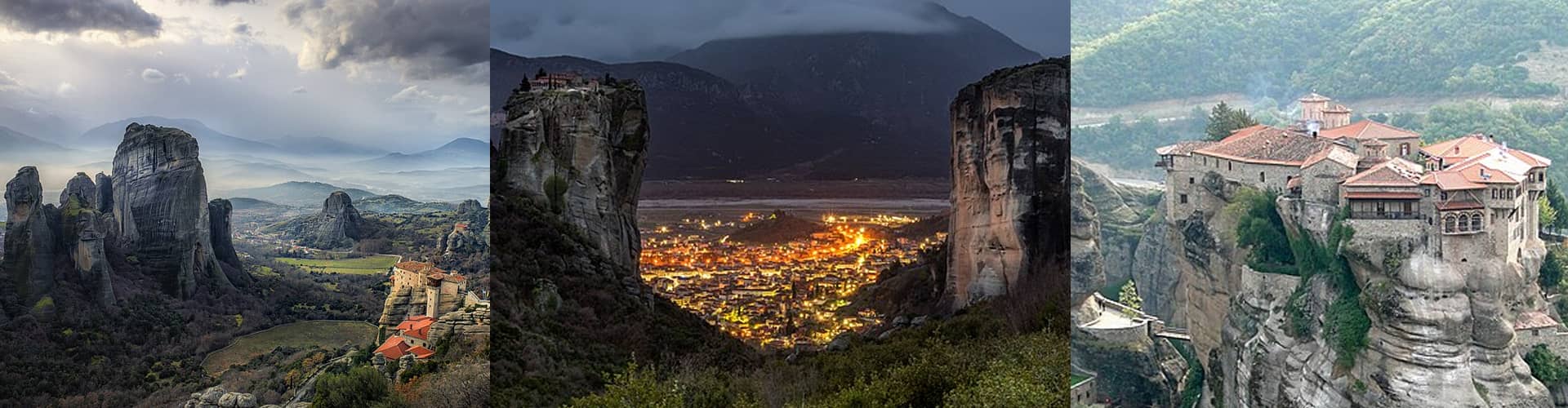
Meteora is one of Greece’s most extraordinary destinations, renowned for its towering rock formations and centuries-old monasteries perched high above the surrounding valleys. Located in central Greece near the town of Kalabaka, Meteora combines breathtaking natural scenery with remarkable history and spiritual significance. Its name means “suspended in the air,” reflecting the dramatic way the monasteries appear to rest on massive sandstone pillars.
The site is home to several active monasteries that were originally built by monks seeking isolation and protection. Constructed between the 14th and 16th centuries, these monasteries showcase impressive architecture, religious art, and priceless historical treasures. Today, visitors can explore selected monasteries while learning about the region’s rich cultural and spiritual heritage.

Meteora is also a paradise for nature lovers and photographers. Scenic hiking trails wind through the rocky landscape, offering spectacular viewpoints and opportunities to admire the monasteries from different angles. Sunrise and sunset are especially magical times to visit, as the changing light creates unforgettable views across the cliffs and valleys.
Adventure enthusiasts can enjoy rock climbing, guided walking tours, and cycling through the surrounding countryside. The nearby town of Kalabaka offers traditional Greek restaurants, charming cafés, and local shops where travelers can experience authentic hospitality and regional cuisine.
The best time to visit Meteora is during spring and autumn when temperatures are pleasant and the landscapes are particularly beautiful. Summer also attracts many visitors, while winter provides a quieter atmosphere with mist-covered cliffs and peaceful surroundings.
Recognized as a UNESCO World Heritage Site, Meteora is celebrated for both its geological uniqueness and its historical importance. Whether you are interested in history, architecture, photography, outdoor adventures, or spiritual landmarks, Meteora offers an unforgettable travel experience that stands out as one of the most remarkable destinations in Greece.
How to Get to Meteora
By Air
- The nearest major airports are in Athens and Thessaloniki.
- From either city, continue to Meteora by train, bus, or rental car.
By Train
- Direct trains operate from Athens to Kalabaka, the main gateway to Meteora.
- The journey typically takes around 4–5 hours and offers scenic countryside views.
By Bus
- Intercity buses connect Athens and Thessaloniki with Kalabaka.
- Bus services are a budget-friendly option for reaching Meteora.
By Car
- Driving from Athens takes about 4–5 hours, while Thessaloniki is around a 3-hour drive.
- A rental car provides flexibility to visit multiple monasteries and viewpoints at your own pace.
Local Transport
- From Kalabaka, you can use taxis, local buses, bicycles, or hiking trails to reach the monasteries.
- Many visitors combine walking with short taxi rides to explore the area comfortably.
Guided Tours
- Organized day trips and multi-day tours from Athens and Thessaloniki often include transportation, guided monastery visits, and sightseeing stops.

Things to Do in Meteora
Visit the Monasteries
- Explore the famous cliff-top monasteries and admire their centuries-old architecture and religious heritage.
- Discover beautiful frescoes, historic chapels, and valuable cultural artifacts.
Go Hiking
- Walk along scenic trails that connect the monasteries and offer spectacular views of the rock formations.
- Enjoy peaceful nature walks through the surrounding landscape.
Enjoy Panoramic Viewpoints
- Visit designated viewpoints to take in breathtaking views of the monasteries and valleys.
- Sunrise and sunset are especially popular times for photography.
Experience Rock Climbing
- Try guided rock climbing on Meteora’s unique sandstone pillars if you enjoy adventure activities.
- Suitable options are available for both beginners and experienced climbers.
Explore Kalabaka
- Wander through the nearby town and discover local shops, cafés, and traditional Greek restaurants.
- Experience authentic hospitality and regional culture.
Learn About History and Culture
- Join a guided tour to understand the fascinating history of the monasteries and the monks who built them.
- Visit museums and cultural exhibits in the area for deeper insights.
Taste Local Cuisine
- Enjoy traditional Greek dishes, homemade desserts, and locally produced specialties at nearby tavernas.
- Sample regional flavors while relaxing after sightseeing.
Visit Hidden Viewpoints
- Explore lesser-known observation spots for quieter experiences and unique perspectives of Meteora.
- Capture memorable photos away from the busiest tourist areas.
Explore the Surrounding Countryside
- Take leisurely drives or walks through the scenic landscapes surrounding Meteora.
- Admire forests, hills, and picturesque villages nearby.
Relax and Enjoy the Scenery
- Spend time appreciating the peaceful atmosphere, dramatic cliffs, and natural beauty that make Meteora one of Greece’s most remarkable destinations.
Things Not to Forget for Your Trip to Meteora
- Wear comfortable walking shoes, as you will encounter steep steps, uneven paths, and cobblestone walkways.
- Dress modestly when visiting the monasteries. Men should wear long pants, and women should wear skirts or dresses that cover the knees, or bring a scarf or wrap if needed.
- Carry a reusable water bottle to stay hydrated, especially during warmer months.
- Pack sunscreen, sunglasses, and a hat to protect yourself from the sun while exploring outdoor viewpoints.
- Bring a light jacket or sweater, as mornings and evenings can be cooler, particularly in spring and autumn.
- Keep your camera or smartphone fully charged to capture Meteora’s spectacular landscapes and monasteries.
- Carry some cash for monastery entrance fees, local shops, or small cafés that may not accept cards.
- Bring a power bank if you plan to spend the entire day sightseeing.
- Respect monastery rules by avoiding loud conversations and following photography restrictions where applicable.
- Start your visit early in the day to avoid crowds and enjoy a more peaceful experience.
- Check opening days and hours in advance, as not all monasteries are open every day.
- Pack essential travel documents, identification, and accommodation details for a hassle-free trip.
- Download offline maps or navigation apps if you plan to hike or drive through the area.
- Leave no litter behind and help preserve the natural beauty and cultural heritage of Meteora.
- If visiting in peak season, book accommodation and transportation well in advance to secure the best options.

Best Time to Visit Meteora
⭐ Best Overall Time: April to June & September to October
- These months offer mild temperatures, clear skies, and comfortable conditions for hiking and monastery visits.
- The landscapes are especially beautiful, making it an excellent time for photography and outdoor exploration.
- Crowds are generally lighter than in the peak summer season, providing a more relaxed experience.
Spring (April to June) — ⭐ Highly Recommended
- Pleasant weather makes walking between monasteries and viewpoints enjoyable.
- The surrounding hills are lush and green, adding to Meteora’s scenic beauty.
- Ideal for sightseeing, hiking, and cultural tours.
Summer (July to August)
- Warm and sunny days attract the highest number of visitors.
- Early morning or late afternoon visits are recommended to avoid midday heat.
- Popular viewpoints and monasteries can become crowded during this period.
Autumn (September to October) — ⭐ Highly Recommended
- Comfortable temperatures and vibrant natural colors create excellent conditions for travel.
- Fewer tourists compared to summer make it easier to explore at a leisurely pace.
- Great season for hiking, photography, and enjoying panoramic views.
Winter (November to March)
- Cooler weather and occasional mist create a peaceful and atmospheric setting.
- Visitor numbers are lower, allowing for a quieter experience.
- Some days may be cold or rainy, so warm clothing and weather checks are advisable.
Helpful Travel Tips
- Visit early in the morning for cooler temperatures and fewer crowds.
- Plan at least one full day to explore multiple monasteries and viewpoints.
- Wear comfortable shoes suitable for climbing steps and walking on uneven paths.
- Check monastery opening days before your visit, as schedules may vary.
- Carry water, sun protection, and a light jacket to stay comfortable throughout the day.
Image credits : upload.wikimedia.org