
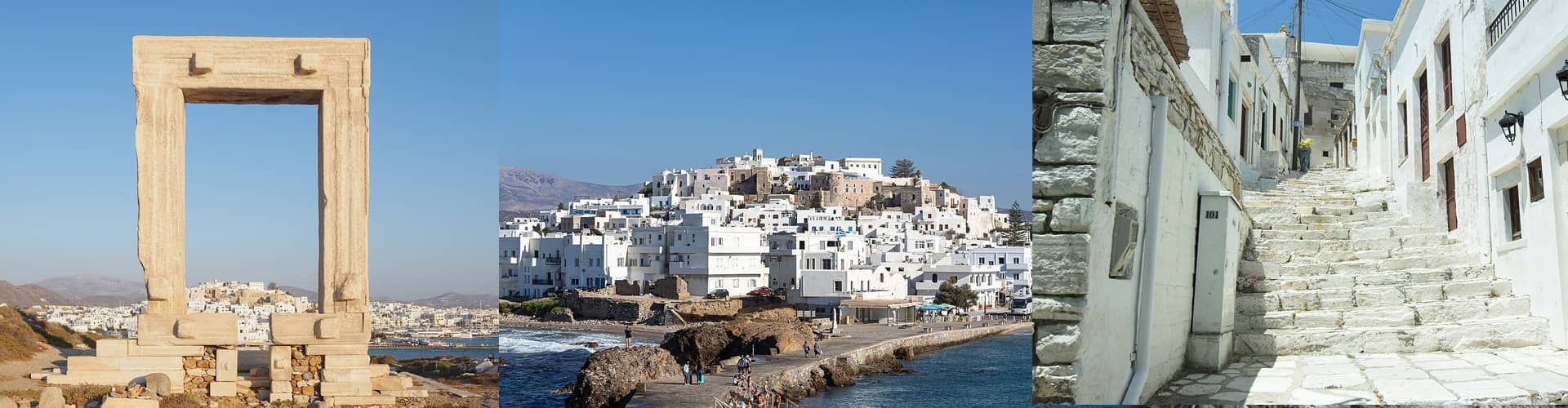
Naxos is the largest island in the Cyclades and one of Greece’s most rewarding destinations for travelers seeking a blend of history, culture, beaches, and authentic local life. Unlike some of the more crowded Greek islands, Naxos offers a relaxed atmosphere where visitors can explore ancient landmarks, picturesque mountain villages, and miles of sandy coastline.
The island is known for its iconic Portara, a massive marble gateway overlooking the sea, as well as charming whitewashed streets, Venetian architecture, and traditional tavernas serving fresh local cuisine. Beyond the main town, fertile valleys, olive groves, and scenic hiking trails reveal a different side of the Cyclades, making Naxos appealing to both adventure seekers and leisure travelers.
Beach lovers will find plenty to enjoy, with long stretches of golden sand and crystal-clear waters ideal for swimming, windsurfing, and sunbathing. History enthusiasts can visit archaeological sites, Byzantine churches, and medieval castles that reflect the island’s rich past.

Naxos is also famous for its local products, including cheeses, olive oil, and citrus-based liqueurs, giving visitors a chance to experience genuine Greek flavors. Whether you spend your days exploring villages, relaxing by the sea, or discovering ancient ruins, the island offers a balanced mix of activities without feeling overly commercialized. With welcoming locals, diverse landscapes, and a slower pace of life, Naxos stands out as an unforgettable destination in the Greek islands.
How to Get to Naxos
By Air
- Fly to Naxos Island National Airport from Athens via domestic flights.
- Seasonal flight options may increase during the summer travel season.
By Ferry
- Regular ferries connect Naxos with Piraeus, Athens’ main port.
- High-speed and conventional ferries also operate from nearby Cycladic islands such as Santorini, Mykonos, and Paros.
By Car
- You can bring a rental or private vehicle on many ferry services arriving from mainland Greece or neighboring islands.
- Driving around Naxos is an excellent way to reach remote beaches and mountain villages.
Local Transport
- Local buses connect Naxos Town with popular beaches and inland attractions.
- Rental cars, scooters, ATVs, and taxis are widely available for flexible travel around the island.
Guided Tours
- Organized island tours provide transportation to major landmarks, traditional villages, and archaeological sites, making sightseeing convenient for first-time visitors.
Things to Do in Naxos
- Visit the iconic Portara and enjoy panoramic sea views.
- Explore the historic streets and waterfront of Naxos Town.
- Relax on beautiful beaches such as Agios Prokopios, Plaka, and Agia Anna.
- Discover traditional mountain villages and experience local culture.
- Visit ancient temples, medieval castles, and Byzantine churches.
- Hike scenic trails through valleys and olive groves.
- Sample authentic Greek cuisine and locally produced cheeses.
- Try windsurfing, kitesurfing, or paddleboarding along the coast.
- Browse artisan shops for handmade crafts and souvenirs.
- Watch the sunset from coastal viewpoints and harbor promenades.
- Explore archaeological museums and historical landmarks.
- Take a boat excursion to nearby coves and neighboring islands.

Things Not to Forget for Your Trip to Naxos
- Pack lightweight clothing suitable for warm Mediterranean weather.
- Bring comfortable walking shoes for exploring villages and archaeological sites.
- Carry sunscreen, sunglasses, and a wide-brimmed hat.
- Keep swimwear and a beach towel handy for coastal visits.
- Bring a reusable water bottle to stay hydrated.
- Carry a power bank and charging cables for your devices.
- Keep cash available for small shops and family-run businesses.
- Bring a light jacket for breezy evenings, especially outside peak summer.
- Reserve ferry tickets and accommodation early during busy travel periods.
- Carry identification, travel documents, and booking confirmations.
- Download offline maps if planning to explore rural parts of the island.
- Respect local customs and preserve beaches and historical sites by disposing of waste responsibly.
Best Time to Visit Naxos
⭐ Best Overall Time: May to June & September to October
- These months offer warm temperatures, pleasant sea conditions, and fewer crowds than the height of summer.
- Ideal for sightseeing, hiking, beach activities, and exploring villages.
Spring (March to May)
- Mild weather and blooming landscapes make outdoor adventures especially enjoyable.
- A great time for walking trails and cultural sightseeing.
Summer (June to August)
- Peak travel season with sunny days perfect for beaches and water sports.
- Restaurants, ferries, and attractions operate at full capacity, but popular areas can become busy.
Autumn (September to October)
- Warm seas and comfortable temperatures continue after summer.
- Excellent season for swimming, photography, and a more relaxed travel experience.
Winter (November to February)
- Cooler and quieter with significantly fewer tourists.
- Suitable for travelers seeking local culture and peaceful surroundings, though some seasonal businesses may have reduced hours.
Helpful Travel Tips
- Visit in late spring or early autumn for the best balance of weather and crowd levels.
- Book ferries and hotels in advance if traveling during July or August.
- Start sightseeing early in the day to enjoy cooler temperatures and quieter attractions.
- Carry sun protection throughout the warmer months.
- Rent a vehicle if you want to explore hidden beaches and inland villages at your own pace.

Is Naxos Worth Visiting?
- Yes, Naxos is widely regarded as one of the best Greek islands for travelers seeking a mix of beaches, history, culture, and authentic local experiences.
- The island offers beautiful sandy beaches with crystal-clear waters, making it ideal for swimming, sunbathing, and water sports.
- Visitors can explore iconic landmarks such as the Portara, ancient temples, medieval castles, and charming old streets.
- Unlike some of the more crowded Cycladic islands, Naxos provides a relaxed atmosphere while still offering plenty of attractions and activities.
- Traditional mountain villages give travelers a chance to experience local customs, handmade crafts, and regional cuisine.
- Outdoor enthusiasts can enjoy hiking trails, cycling routes, and scenic drives through valleys and coastal landscapes.
- The island is famous for its delicious local products, including cheeses, olive oil, and fresh Mediterranean dishes served in family-run tavernas.
- Families, couples, solo travelers, and adventure seekers can all find experiences suited to their interests.
- Naxos also serves as an excellent base for island hopping, with convenient ferry connections to nearby Cycladic destinations.
- Stunning sunsets, welcoming locals, and a slower pace of life make it easy to unwind and enjoy the island’s natural beauty.
Overall, Naxos is absolutely worth visiting if you want an authentic Greek island experience that combines spectacular beaches, rich history, outdoor adventures, and traditional charm without the overwhelming crowds found on some more famous islands.
What Is the Myth of Naxos?
- Naxos is closely associated with Greek mythology, particularly the story of Theseus and Ariadne.
- According to the legend, Ariadne helped Theseus escape the Labyrinth after he defeated the Minotaur by giving him a ball of thread to trace his path back out.
- After leaving the island of Crete together, Theseus and Ariadne stopped on Naxos during their voyage.
- In the most well-known version of the myth, Theseus departed and left Ariadne behind on the island while she was asleep.
- Ariadne was later discovered by Dionysus, the Greek god of wine, celebration, and fertility.
- Dionysus fell in love with Ariadne and made Naxos their home, eventually marrying her according to the legend.
- Because of this story, Naxos became strongly linked with Dionysus and was regarded in ancient times as one of the god’s sacred islands.
- Many ancient myths describe the island as a place of joy, abundance, and divine celebration, reflecting its fertile landscapes and prosperous history.
- Today, the legend of Ariadne and Dionysus remains one of the most famous stories connected to Naxos and continues to inspire local culture, art, and tourism.
The myth adds a fascinating layer to the island’s appeal, blending ancient storytelling with the natural beauty and historical landmarks that visitors can still explore today.
Image credits: en.wikipedia.org