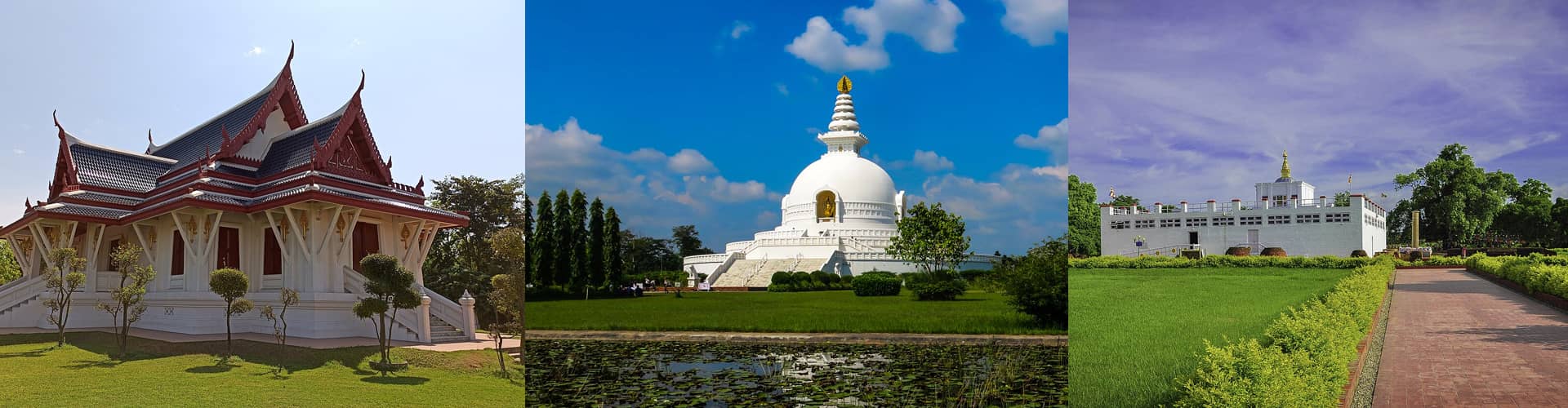
Lumbini is one of the world’s most important spiritual destinations and is widely recognized as the birthplace of Siddhartha Gautama, who later became known as the Buddha. Located in southern Nepal near the Indian border, this sacred site attracts pilgrims, historians, and travelers from across the globe. Its historical and religious significance has earned it recognition as a UNESCO World Heritage Site.
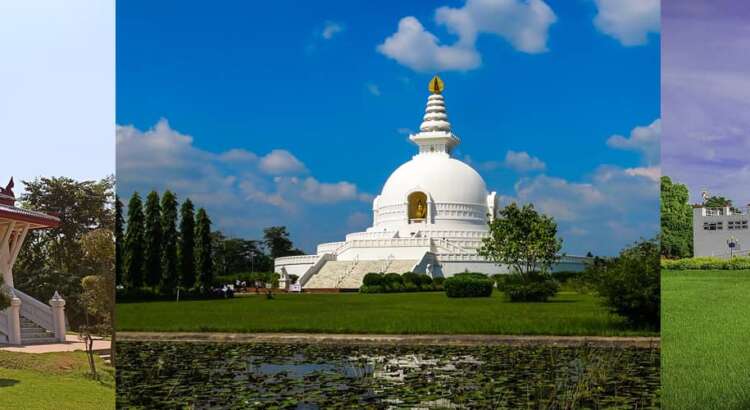
The heart of Lumbini is the Sacred Garden, where visitors can explore ancient ruins, peaceful monasteries, meditation centers, and archaeological remains connected to Buddha’s early life. The atmosphere is calm and reflective, offering a unique contrast to Nepal’s busier cities and trekking destinations. Beautiful gardens, ponds, and tree-lined pathways create an environment ideal for contemplation and relaxation.
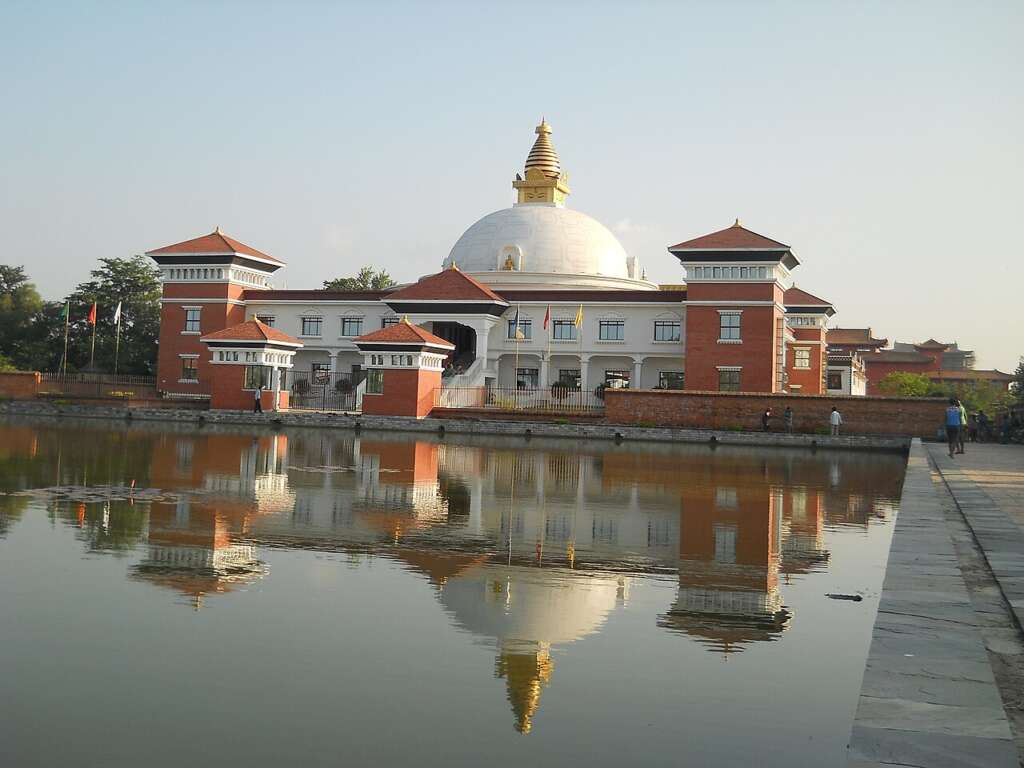
One of the most visited landmarks is the Maya Devi Temple, believed to mark the exact location where Buddha was born. The surrounding monastic zone features temples built by Buddhist communities from various countries, each showcasing distinct architectural styles and traditions.
Lumbini offers more than religious significance; it provides insight into ancient history, culture, and philosophy. Whether you are interested in spirituality, heritage, or peaceful surroundings, Lumbini presents a meaningful travel experience and remains one of Nepal’s most treasured destinations.
How to Get to Lumbini
By Air
- The nearest airport is Gautam Buddha International Airport.
- From the airport, Lumbini can be reached by taxi or local transport in a short drive.
By Road from Kathmandu
- Tourist buses and private vehicles regularly connect Lumbini with Kathmandu.
- The journey offers views of Nepal’s countryside, rivers, and small towns.
By Road from India
- Travelers from India can enter Nepal through nearby border crossings and continue to Lumbini by road.
By Private Car
- Hiring a private vehicle provides flexibility and comfort, especially for families and groups.
Local Transport
- Rickshaws, bicycles, taxis, and walking are popular ways to explore the main attractions within Lumbini.
Things to Do in Lumbini
- Visit the Maya Devi Temple.
- Explore the Sacred Garden.
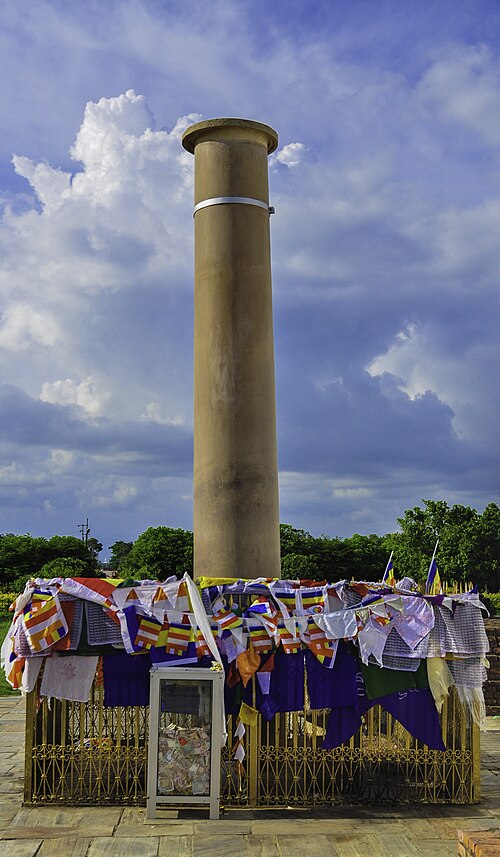
- See the Ashoka Pillar, an important historical monument.
- Walk through the international monastic zone.
- Visit monasteries built by Buddhist communities from around the world.
- Enjoy peaceful meditation and reflection.
- Explore archaeological sites and ancient ruins.
- Visit museums showcasing Buddhist history and heritage.
- Cycle around the Lumbini complex.
- Learn about the life and teachings of Buddha.
- Photograph the beautiful gardens and monuments.
- Attend spiritual or cultural events when available.
Things Not to Forget for Your Trip to Lumbini
- Wear modest clothing when visiting religious sites.
- Bring comfortable walking shoes.
- Carry sunscreen, sunglasses, and a hat.
- Keep a reusable water bottle handy.
- Bring a camera for photography.
- Pack a light scarf or shawl for temple visits.
- Carry cash for local purchases and transportation.
- Bring insect repellent, especially during warmer months.
- Keep travel documents secure.
- Carry a power bank for extended sightseeing.
- Respect local customs and religious practices.
- Dress comfortably for warm daytime temperatures.
Best Time to Visit Lumbini
⭐ Best Overall Time: October to March
- Pleasant temperatures and clear skies make sightseeing and walking comfortable.
- The cooler weather is ideal for exploring outdoor attractions.
Autumn (October to November) ⭐ Highly Recommended
- Comfortable temperatures and excellent visibility.
- One of the most popular times to visit Lumbini.
Winter (December to February) ⭐ Highly Recommended
- Mild daytime weather makes exploring the sacred sites enjoyable.
- Visitor numbers are manageable compared to peak holiday periods.
Spring (March to April)
- Warm temperatures and blooming gardens enhance the experience.
- Suitable for sightseeing and cultural exploration.
Summer & Monsoon (May to September)
- High temperatures and seasonal rainfall are common.
- The landscape becomes lush and green, but outdoor exploration can be less comfortable.
Helpful Travel Tips
- Visit between October and March for the most pleasant weather.
- Start sightseeing early in the morning to avoid midday heat.
- Allocate enough time to explore the international monasteries.
- Respect the peaceful atmosphere of religious sites.
- Rent a bicycle for an easy and enjoyable way to explore the large Lumbini complex.
Why Is Lumbini Famous?
- Birthplace of Buddha: Lumbini is famous as the birthplace of Siddhartha Gautama, the founder of Buddhism, born here around the 6th century BCE.
- UNESCO World Heritage Site: Due to its immense historical and religious importance, Lumbini has been designated a UNESCO World Heritage Site.
- Maya Devi Temple: The sacred Maya Devi Temple marks the traditional birthplace of Buddha and is the most important attraction in Lumbini.
- Ashoka Pillar: The ancient Ashoka Pillar, erected by Emperor Ashoka in the 3rd century BCE, confirms Lumbini’s historical significance.
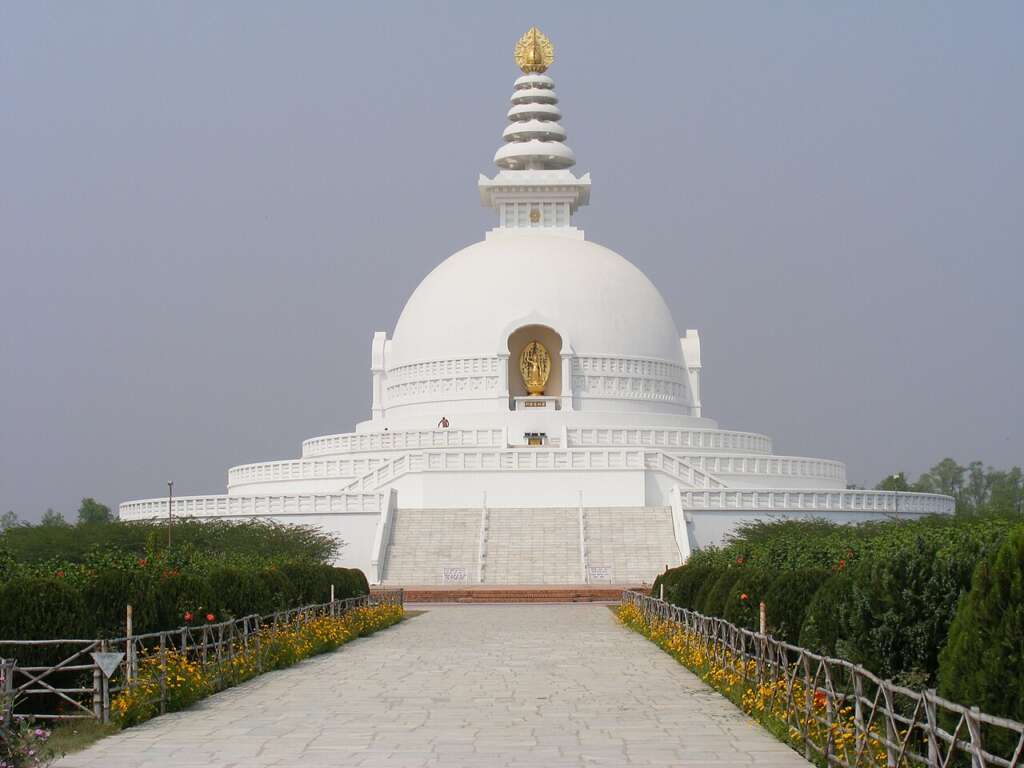
- International Monasteries: Buddhist communities from many countries have built beautiful monasteries here, creating a unique spiritual and cultural landscape.
- Pilgrimage Destination: Millions of Buddhist pilgrims and visitors travel to Lumbini each year for worship, meditation, and learning.
- Peaceful Atmosphere: The gardens, monasteries, and meditation centers make Lumbini one of the most serene destinations in Nepal.
How Far Is Lumbini from Kathmandu?
- By Road: Approximately 260–280 km (162–174 miles), depending on the route.
- Travel Time by Car/Bus: Usually 7–10 hours, depending on traffic and road conditions.
- By Air: A flight from Kathmandu to Gautam Buddha International Airport takes about 35–45 minutes, followed by a short drive to Lumbini.
- By Tourist Bus: Expect a journey of around 8–10 hours.
Image credits: en.wikipedia.org