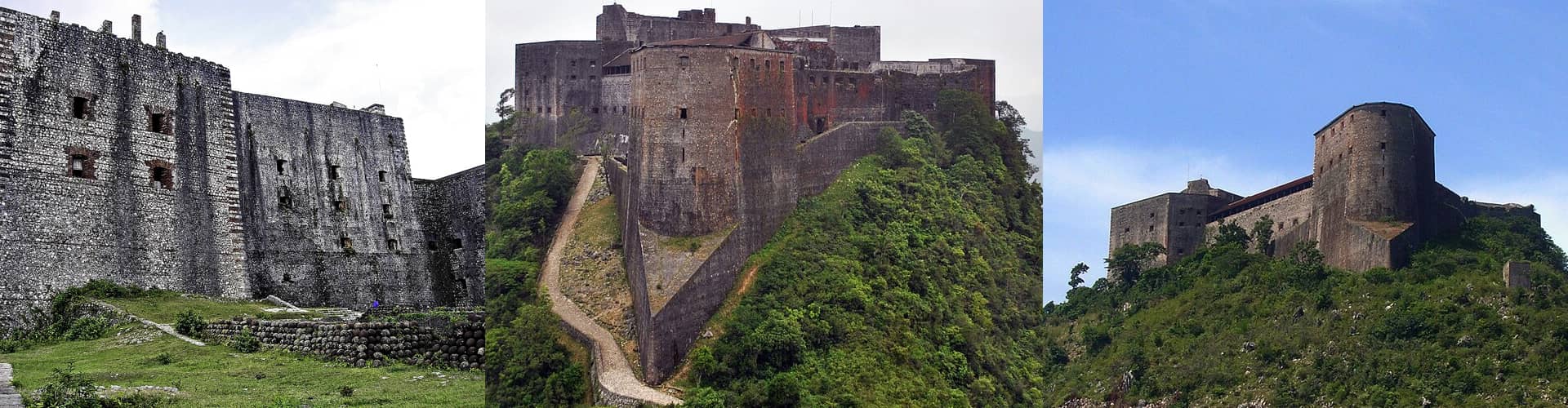
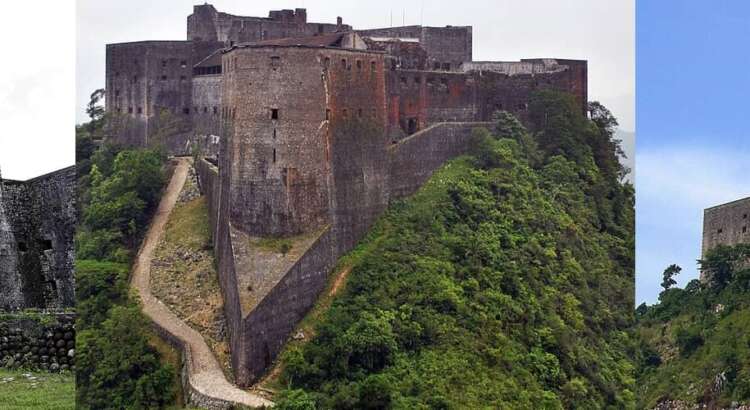
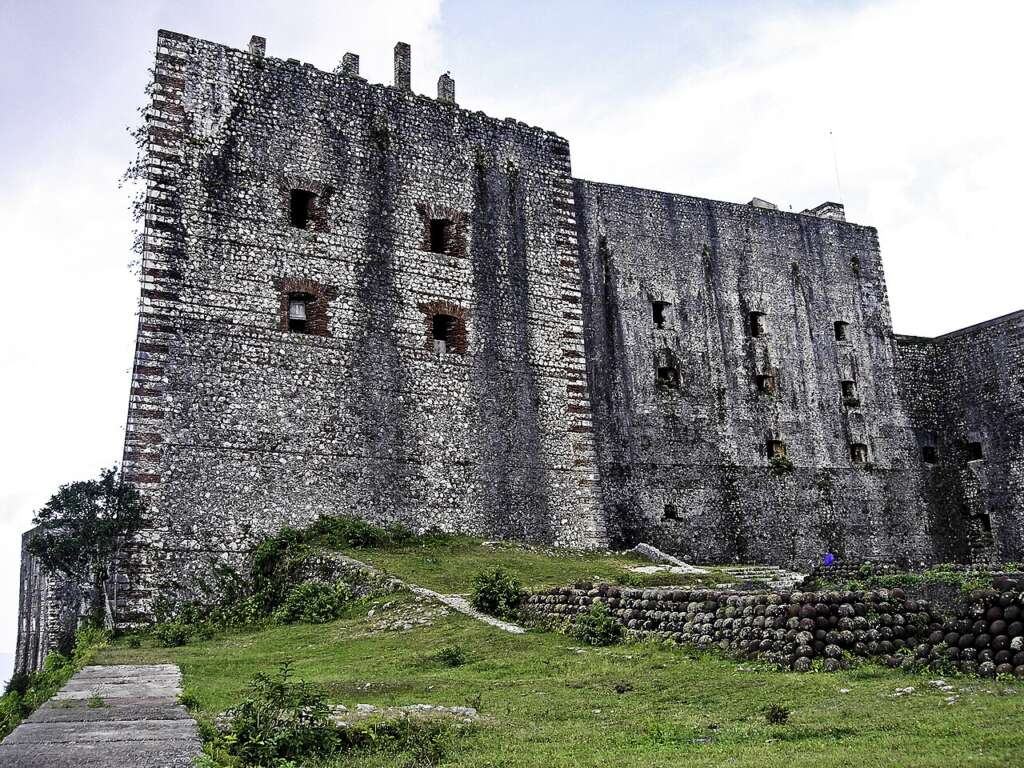
Citadelle Laferrière is Haiti’s most iconic historical monument and one of the largest fortresses ever built in the Americas. Perched high on the Bonnet à l’Évêque mountain near the town of Milot, the fortress stands as a powerful symbol of Haiti’s independence and determination. Constructed in the early 19th century under the leadership of King Henri Christophe, it was designed to defend the newly independent nation against any potential French invasion.
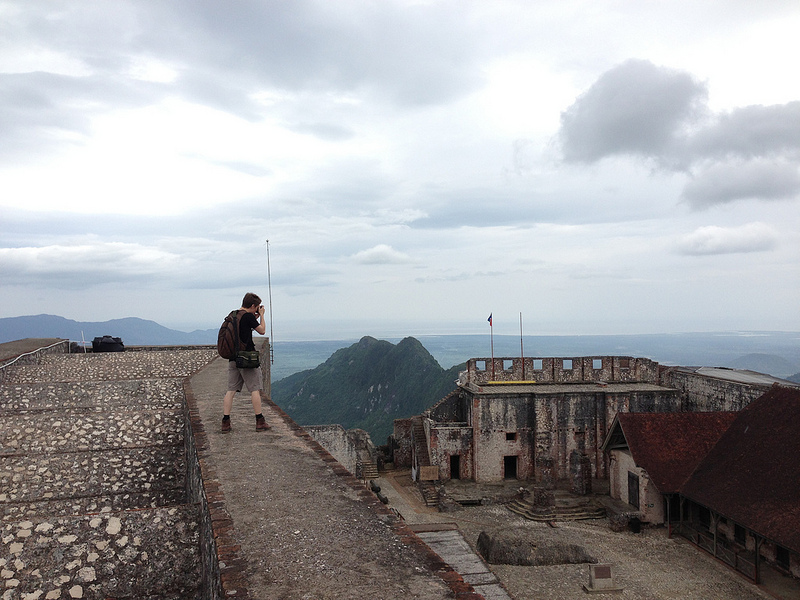
Recognized as a UNESCO World Heritage Site, the Citadelle impresses visitors with its massive stone walls, strategic mountaintop location, and breathtaking panoramic views of northern Haiti. Inside the fortress, visitors can explore enormous cannons, defensive structures, courtyards, and historic chambers that reveal the remarkable engineering achievements of the period.
The journey to the Citadelle is an adventure in itself, with scenic hiking trails and horseback rides leading through lush mountain landscapes. Along the way, travelers experience the region’s natural beauty while learning about Haiti’s rich cultural heritage and revolutionary history.
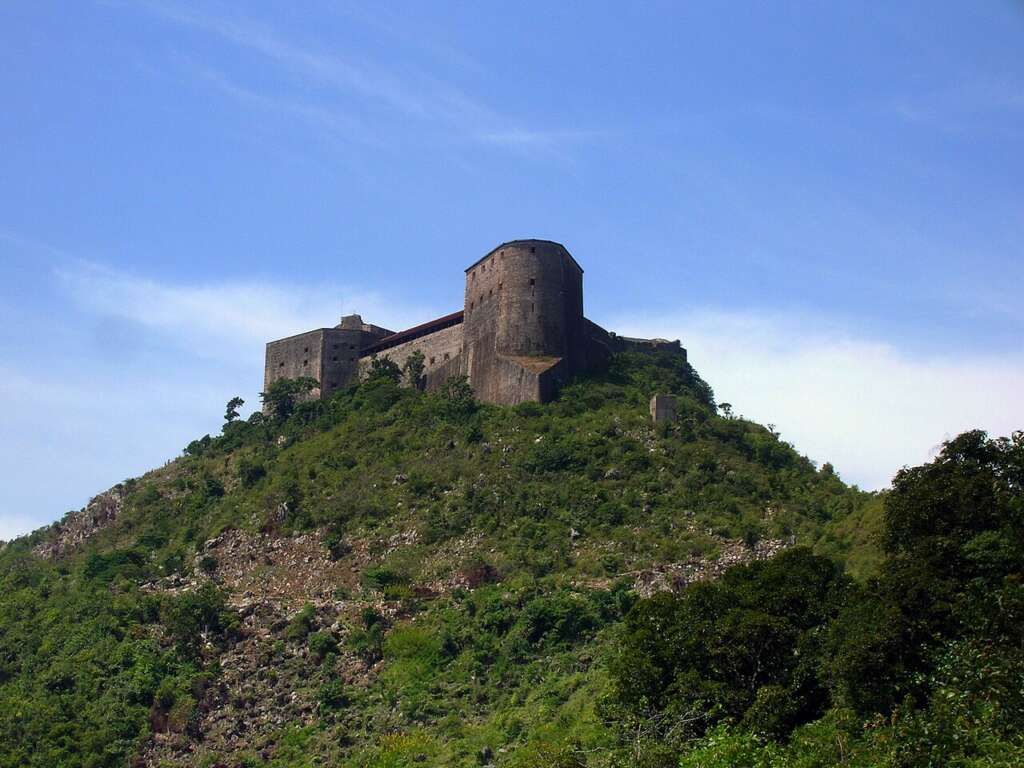
Whether you’re interested in history, architecture, photography, or outdoor adventure, Citadelle Laferrière offers a memorable experience. As one of the Caribbean’s most important historical landmarks, it remains a proud symbol of freedom and resilience for the Haitian people.
How to Get to Citadelle Laferrière
By Air
- Fly into Cap-Haïtien International Airport, the nearest airport to the Citadelle.
- From the airport, continue by taxi or private vehicle to Milot.
By Road
- From Cap-Haïtien, drive approximately 30–40 minutes to the town of Milot.
- The roads are generally accessible, but conditions may vary.
By Hiking or Horseback
- From Milot, visitors reach the fortress by hiking uphill or riding horseback.
- The climb typically takes 45–60 minutes, depending on pace.
By Guided Tour
- Organized tours from Cap-Haïtien often include transportation, local guides, and historical information.
Local Transport
- Local taxis are available in Milot for transportation to the trailhead leading to the fortress.
Things to Do in Citadelle Laferrière
- Explore the historic fortress and defensive walls.
- Admire the impressive collection of ancient cannons.
- Enjoy panoramic mountain and coastal views.
- Learn about Haiti’s independence and King Henri Christophe.
- Hike the scenic trail to the Citadelle.
- Ride horseback up the mountain.
- Visit the nearby Sans-Souci Palace.
- Photograph the fortress and surrounding landscapes.
- Explore UNESCO World Heritage monuments.
- Discover the fortress’s military architecture.
- Experience local Haitian culture in Milot.
- Watch the sunrise or early morning mountain views.
Things Not to Forget for Your Trip to Citadelle Laferrière
- Wear sturdy walking or hiking shoes.
- Carry plenty of drinking water.
- Pack sunscreen, sunglasses, and a hat.
- Bring lightweight, breathable clothing.
- Carry cash for local guides or horseback rides.
- Bring a camera for scenic photography.
- Pack insect repellent.
- Carry a small backpack for essentials.
- Start your visit early to avoid midday heat.
- Keep your passport and valuables secure.
- Respect the historic site and local community.
- Check local travel advisories before your trip.
Best Time to Visit Citadelle Laferrière
⭐ Best Overall Time: November to April
- Dry, pleasant weather makes hiking and sightseeing more enjoyable.
- Clear skies offer the best panoramic views and photography opportunities.
Winter (December to February) ⭐ Highly Recommended
- Comfortable temperatures and lower humidity.
- Ideal for hiking and exploring the fortress.
Spring (March to April)
- Warm weather with generally dry conditions.
- Excellent for outdoor activities and historical tours.
Rainy Season (May to October)
- Frequent rain can make hiking trails slippery.
- Lush green landscapes are beautiful, but weather may affect accessibility.
Helpful Travel Tips
- Visit between November and April for the most comfortable weather.
- Begin your hike early in the morning to avoid the heat.
- Hire a local guide to better understand the fortress’s history.
- Combine your visit with Sans-Souci Palace for a complete UNESCO heritage experience.
- Bring sufficient water and wear comfortable footwear for the uphill walk.
What Happened at the Citadelle Laferrière?
The Citadelle Laferrière was built between 1805 and 1820 under the leadership of Henri Christophe after Haiti gained independence from France in 1804. Its primary purpose was to protect the newly independent nation from a possible French invasion.
Key Historical Events
- Built for Defense: Thousands of workers constructed the massive fortress on a mountaintop to serve as a powerful military stronghold.
- Never Attacked: Although it was designed to repel a French invasion, the Citadelle was never attacked or used in battle.
- Henri Christophe’s Rule: The fortress became a symbol of King Henri Christophe’s reign and Haiti’s determination to preserve its independence.
- National Symbol: Over time, the Citadelle transformed from a military fortress into a symbol of Haitian freedom, resilience, and national pride.
- UNESCO Recognition: Today, it is part of a UNESCO World Heritage Site and attracts visitors interested in Haiti’s revolutionary history and remarkable engineering.
Who Built the Citadelle Laferrière?
The Citadelle Laferrière was built under the leadership of Henri Christophe, one of the heroes of the Haitian Revolution and later the King of northern Haiti.
Construction began in 1805, shortly after Haiti gained independence from France, and was completed around 1820. Thousands of Haitian workers built the massive mountaintop fortress using stone, brick, and lime mortar to protect the country from a possible French invasion.
Today, the Citadelle stands as a powerful symbol of Haiti’s independence, resilience, and architectural achievement.
Image credits: en.wikipedia.org