
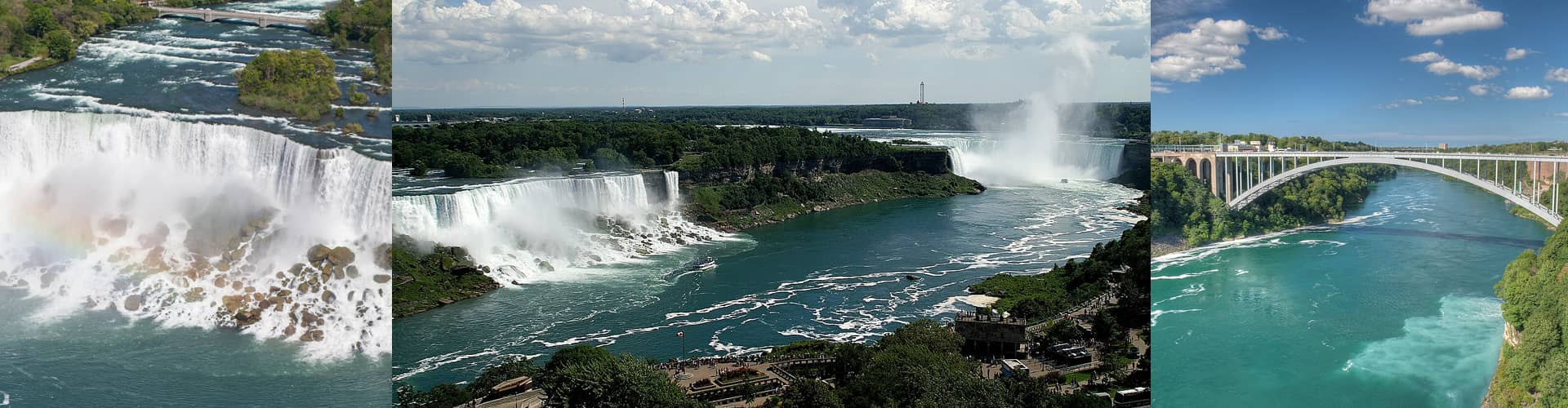
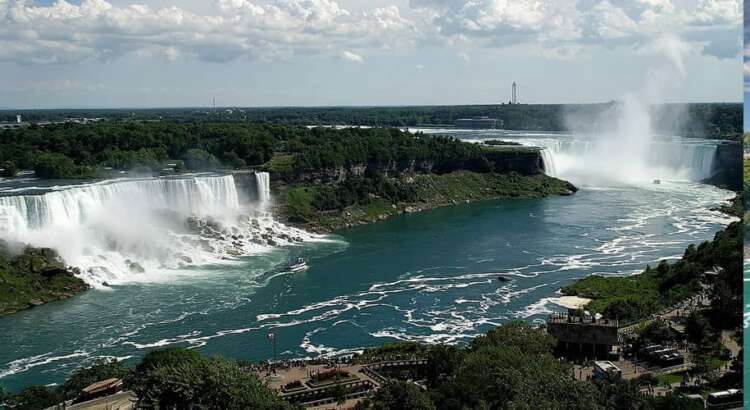
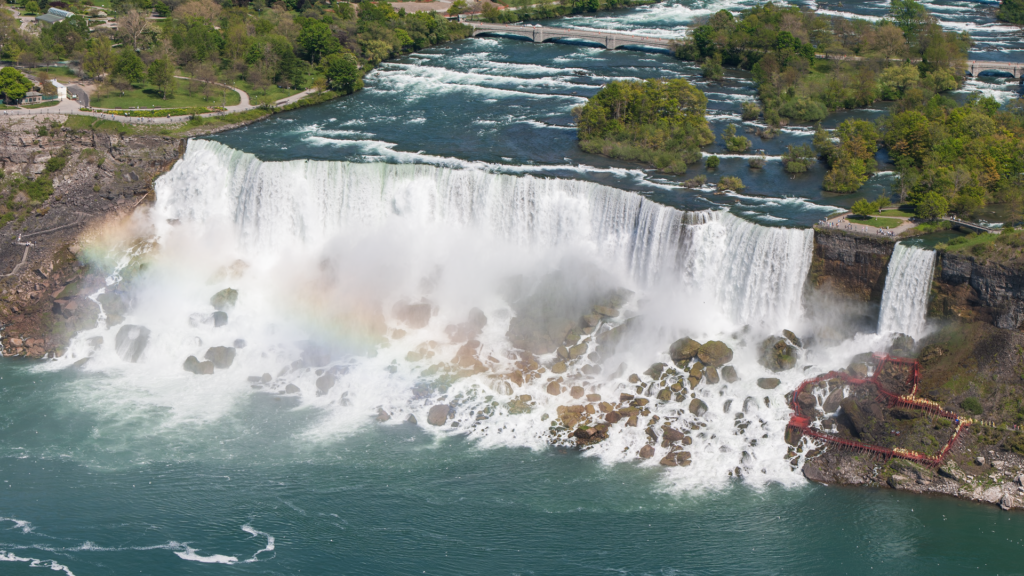
Niagara Falls is one of the world’s most spectacular natural attractions, drawing millions of visitors each year to witness its immense power and beauty. Located on the border between Canada and the United States, the Canadian side offers some of the most breathtaking panoramic views of the waterfalls. The site consists of three waterfalls, with the magnificent Horseshoe Falls being the largest and most famous.
Visitors are captivated by the thunderous roar of cascading water, the refreshing mist rising from the gorge, and the stunning rainbows that frequently appear on sunny days. Beyond the falls themselves, the surrounding area features scenic parks, observation decks, walking trails, and family-friendly attractions that make it a destination suitable for travelers of all ages.
The region also offers excellent dining, entertainment venues, casinos, and nearby wineries, providing a well-rounded travel experience. Seasonal events and nightly illuminations add even more charm, transforming the falls into a colorful spectacle after sunset. During winter, ice formations and snowy landscapes create an entirely different but equally beautiful atmosphere.
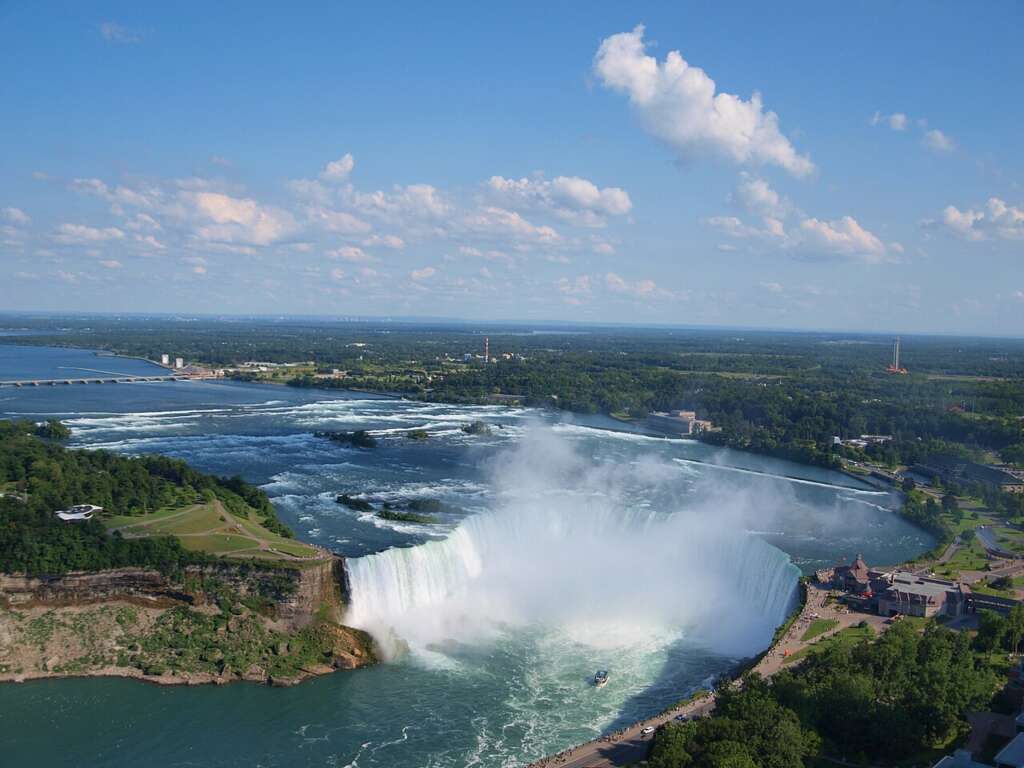
Whether taking a boat excursion close to the falls, enjoying panoramic views from observation towers, or simply relaxing along the waterfront, Niagara Falls delivers unforgettable memories. Its combination of natural beauty, accessibility, and diverse attractions has made it one of Canada’s most iconic destinations and a must-visit location for nature lovers, photographers, families, and adventure seekers alike.
How to Get to Niagara Falls
By Air
- The nearest major airport is Toronto Pearson International Airport.
- From the airport, travelers can continue by car, shuttle, bus, or train to Niagara Falls.
By Train
- Rail services connect Niagara Falls with major cities in Ontario.
- Train travel offers a comfortable and scenic way to reach the destination.
By Bus
- Several coach operators provide direct services from Toronto and other nearby cities.
- Buses are often an affordable option for visitors.
By Car
- Driving is one of the most convenient ways to visit Niagara Falls.
- Well-maintained highways connect the area with Toronto and other regional destinations.
By Guided Tour
- Day tours from Toronto commonly include transportation, sightseeing stops, and guided experiences.
- This option is popular among travelers with limited time.
Local Transport
- Walking, local buses, taxis, and tourist shuttles make it easy to explore the attractions around the falls.
Things to Do in Niagara Falls
- Admire the breathtaking views of Horseshoe Falls.
- Take a boat cruise for a close-up experience of the waterfalls.
- Visit Journey Behind the Falls and witness the rushing water from observation tunnels.
- Walk along the Niagara Parkway and enjoy scenic viewpoints.
- Experience the falls illuminated in colorful lights after sunset.
- Visit observation towers for panoramic photography opportunities.
- Explore nearby parks and nature trails.
- Enjoy family-friendly attractions and entertainment venues.
- Discover local wineries in the surrounding Niagara region.
- Take a helicopter tour for a bird’s-eye view of the falls.
- Visit museums and interactive exhibits about the area’s history.
- Watch seasonal fireworks displays when available.
Things Not to Forget for Your Trip to Niagara Falls
- Wear comfortable walking shoes for extended sightseeing.
- Bring a waterproof jacket or poncho for boat excursions.
- Carry a camera to capture the spectacular scenery.
- Pack sunglasses and sunscreen during warmer months.
- Bring a light sweater or jacket for cooler evenings.
- Keep travel documents handy if crossing the international border.
- Carry a reusable water bottle to stay hydrated.
- Charge your phone and bring a power bank.
- Reserve popular attractions in advance during peak season.
- Check weather forecasts before your visit.
- Bring extra memory cards or storage for photos.
- Keep cash or cards available for parking, dining, and attractions.
Best Time to Visit Niagara Falls
⭐ Best Overall Time: June to September
- Warm weather and fully operational attractions make summer the most popular time to visit.
- Boat cruises, outdoor activities, and evening illuminations are at their best.
Spring (April to May)
- Mild temperatures and blooming landscapes create beautiful scenery.
- Visitor numbers are generally lower than in peak summer.
Summer (June to September) ⭐ Highly Recommended
- Ideal weather for sightseeing and outdoor experiences.
- Most attractions, tours, and seasonal events operate during this period.
Autumn (October to November)
- Fall colors add extra beauty to the Niagara region.
- Cooler temperatures and fewer crowds enhance the experience.
Winter (December to March)
- Snow and ice create a unique and dramatic landscape.
- Holiday lights and winter festivals attract seasonal visitors.
Helpful Travel Tips
- Visit between June and September for the fullest range of attractions.
- Arrive early to avoid peak crowds during summer.
- Book accommodations and tours in advance during busy periods.
- Bring waterproof clothing if planning a boat excursion.
- Stay after sunset to enjoy the illuminated waterfalls and seasonal events.
Which City Is Niagara Falls In?
Niagara Falls is located in the city of Niagara Falls, in the province of Ontario.
The city sits along the border between Canada and the United States, facing the American city of Niagara Falls across the Niagara River.
Quick Facts
- Province: Ontario
- Country: Canada
- Nearest Major City: Toronto (about 130 km / 80 miles away)
- Famous Waterfall: Horseshoe Falls, the largest of the three Niagara Falls waterfalls
- Border Crossing: Connected to the U.S. via bridges such as the Rainbow Bridge
Many travelers consider the Canadian side the best place to visit because it offers the most panoramic views of the entire waterfall system.
Is Niagara Falls 100% Natural?
Not entirely. Niagara Falls is a natural waterfall formed thousands of years ago by glaciers and erosion, but humans now play a role in managing it.
- The falls themselves are a natural geological feature created after the last Ice Age.
- Water flow is regulated through dams and hydroelectric power stations on both the Canadian and U.S. sides.
- Engineers have carried out projects to reduce erosion and preserve the waterfalls.
- Some water is diverted for electricity generation, especially at night and during low tourist periods.
Despite these interventions, the waterfalls remain a genuine natural wonder, and visitors still experience the impressive power and beauty that made Niagara Falls world-famous.
In short: Niagara Falls is naturally formed but carefully managed by humans, so it is not 100% untouched by human influence.
Image credits: en.wikipedia.org