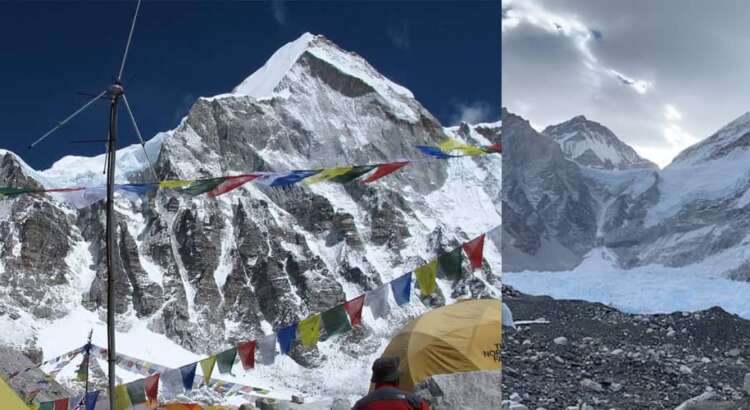
The Everest Base Camp trek is one of the world’s most renowned hiking experiences, offering a rare combination of dramatic landscapes, cultural richness, and high-altitude adventure. Set in Nepal’s majestic Himalayas, the trail leads trekkers through traditional Sherpa villages, deep river valleys, and stunning alpine terrain, all while inching closer to the base of the planet’s tallest mountain — Mount Everest, which towers at 8,848 meters (29,029 feet).
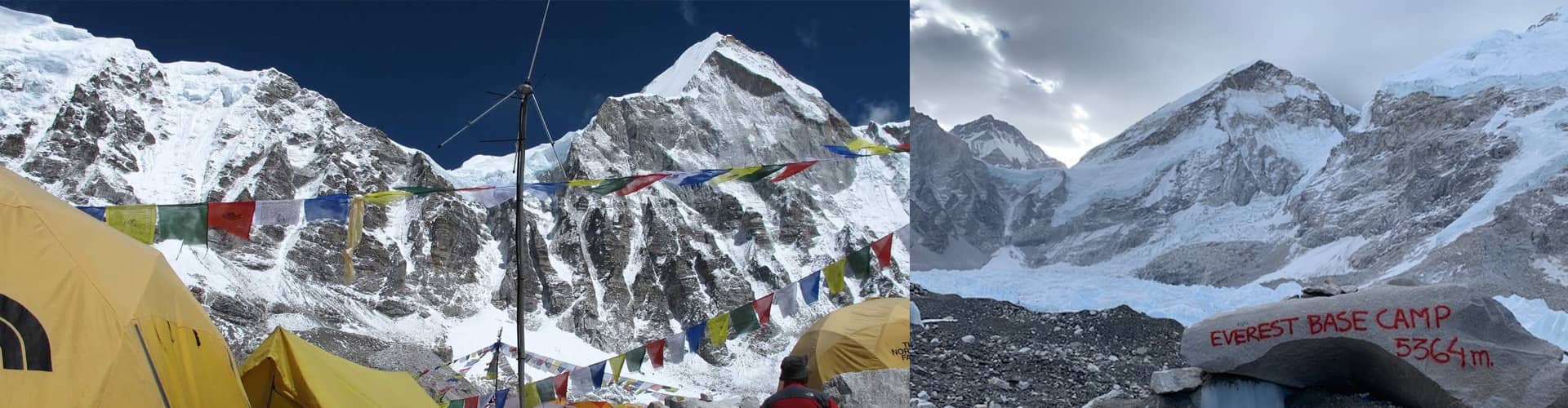
The journey kicks off with an unforgettable flight into Lukla, a small mountain town that serves as the gateway to the Khumbu region. From there, the trail gradually climbs through a series of picturesque settlements, including Namche Bazaar, the vibrant Sherpa capital, as well as peaceful stops like Tengboche, Dingboche, and Lobuche. The trek reaches its pinnacle at Everest Base Camp, located at 5,364 meters (17,598 feet), where climbers begin their ascent of the world’s highest peak.
While the trek doesn’t require mountaineering skills, it is a physically demanding adventure, primarily due to the high altitude. Most itineraries are designed for gradual acclimatization, spreading the journey across 12 to 14 days to ensure safety and enjoyment. An early morning hike to Kala Patthar (5,545 meters) is a common side trip, rewarding trekkers with a sunrise view of Everest that’s often even more impressive than from base camp itself.
What makes this trek so special is the breathtaking scenery that changes with every step. You’ll walk beneath towering snow-draped peaks like Ama Dablam, Lhotse, and Nuptse, cross swaying suspension bridges, and hike alongside glacial rivers and ancient moraines. The route passes through Sagarmatha National Park, a protected area rich in biodiversity, where lucky trekkers might spot Himalayan wildlife such as musk deer, blue sheep, or even a distant glimpse of a snow leopard.
Equally enriching is the cultural immersion the trek offers. The region is home to the Sherpa people, whose traditions, resilience, and deep connection to the mountains are evident in every village. Staying in family-run teahouses provides a chance to enjoy local cuisine—like steaming plates of dal bhat (lentils and rice) and momos (dumplings)—and hear stories from seasoned locals and fellow trekkers alike. A visit to the serene Tengboche Monastery, one of the most significant spiritual centers in the region, adds a peaceful and reflective pause to the journey.
How to Reach Everest Base Camp – A Step-by-Step Guide
- Fly to Kathmandu, Nepal
Your journey begins with an international flight to Kathmandu, the capital of Nepal. The city’s Tribhuvan International Airport (KTM) is the main entry point for travelers heading to the Everest region. Many trekkers spend a day or two in Kathmandu to rest, gather supplies, and prepare for the trek ahead. - Take a Domestic Flight to Lukla
The next leg of the journey is a short but thrilling flight from Kathmandu to Lukla, a mountain town that serves as the starting point for the Everest Base Camp trek. The flight takes around 30 to 40 minutes, offering scenic views of the Himalayas. - Trek from Lukla to Everest Base Camp
Once you land in Lukla, the real adventure begins. The trek typically takes 12 to 14 days, including rest days to adjust to the altitude. The route takes you through a series of Sherpa villages, mountain passes, and forested trails before finally reaching Everest Base Camp at 5,364 meters (17,598 ft).
Major Stops Along the Way:
- Lukla to Phakding
- Phakding to Namche Bazaar
- Namche to Tengboche
- Tengboche to Dingboche
- Dingboche to Lobuche
- Lobuche to Gorak Shep
- Gorak Shep to Everest Base Camp
Most trekkers also hike up to Kala Patthar (5,545 m) for panoramic views of Mount Everest, especially at sunrise.
Alternative Option: Helicopter 🙂
For those short on time or seeking a more comfortable experience, helicopter tours from Kathmandu to Everest Base Camp (or nearby) are available. Some trekkers choose to fly back by helicopter after completing the trek to save time and energy.
Some Tips:
Permit requirements: You’ll need the Sagarmatha National Park Permit and a Khumbu Pasang Lhamu Rural Municipality Permit.
Acclimatization is key: Spend extra nights at higher elevations to help your body adjust.
Travel insurance: Make sure it covers high-altitude trekking and emergency evacuation.
Gear & Safety Essentials for Everest Base Camp Trek
Trekking to Everest Base Camp is a high-altitude adventure that doesn’t require technical climbing gear, but it does demand the right clothing, equipment, and safety preparations. Proper gear ensures comfort, warmth, and resilience in a challenging environment that includes cold temperatures, rugged terrain, and thin air.
Clothing – Layer Up for Comfort & Warmth
Base Layers
- Moisture-wicking thermals (top and bottom) made of merino wool or synthetic fabric
- Avoid cotton—it absorbs moisture and stays cold
Insulation Layers
- Fleece or light down jacket for warmth during the day
- Optional: insulated pants for cold nights
Outer (Shell) Layers
- Waterproof and windproof jacket (like Gore-Tex or similar)
- Rain or snow-resistant trekking trousers
Accessories
- Warm hat or beanie
- Neck warmer or buff
- Gloves (light inner + waterproof insulated outer gloves)
- Sun hat and UV-protective sunglasses
- Trekking socks (wool or synthetic) – 3 to 4 pairs
Footwear
- Durable, waterproof hiking boots (break them in before the trek!)
- Comfortable shoes or sandals for evenings in the lodges
- Optional: gaiters for snow, slush, or dusty paths
Bags & Packs
- Daypack (25–35L): To carry your daily essentials
- Duffel bag (60–80L): Carried by porters or yaks
- Rain cover or dry bags to protect belongings from moisture
Sleeping Gear
- A high-quality sleeping bag rated for -10°C or colder
- Sleeping bag liner (for extra warmth or hygiene)
- Small pillow or inflatable headrest
- Earplugs (some teahouses can be noisy at night)
Essential Trekking Equipment
- Trekking poles (reduce strain on knees)
- Headlamp with spare batteries
- Reusable water bottles or a hydration bladder (2–3 liters per day)
- Water purification tablets, UV sterilizer, or filter
- Quick-dry towel
- Small dry bags or packing cubes for organization
- High-energy snacks (trail mix, protein bars, etc.)
Health & Safety Kit
- Basic first aid (plasters, antiseptic, blister treatment)
- Altitude medication (consult a doctor about acetazolamide/Diamox)
- Any personal prescriptions
- Sunscreen (SPF 30 or higher)
- SPF lip balm
- Hand sanitizer and hygiene wipes
- Toilet paper (not provided at most stops)
- Oral rehydration salts or electrolytes
Extras & Useful Items
- Portable charger or power bank (limited charging in villages)
- Nepal plug adapters (Type C, D, or M)
- Smartphone/camera
- Notebook or book for downtime
- Copies of your passport and trekking permits
- Face mask or dust protection (especially in dry areas)
- Microspikes or lightweight crampons (for winter trekking)
- Altitude watch or GPS device
- Mirror (for eye irritation/sunburn checks)
- Reliable travel insurance covering high-altitude trekking and emergency evacuation