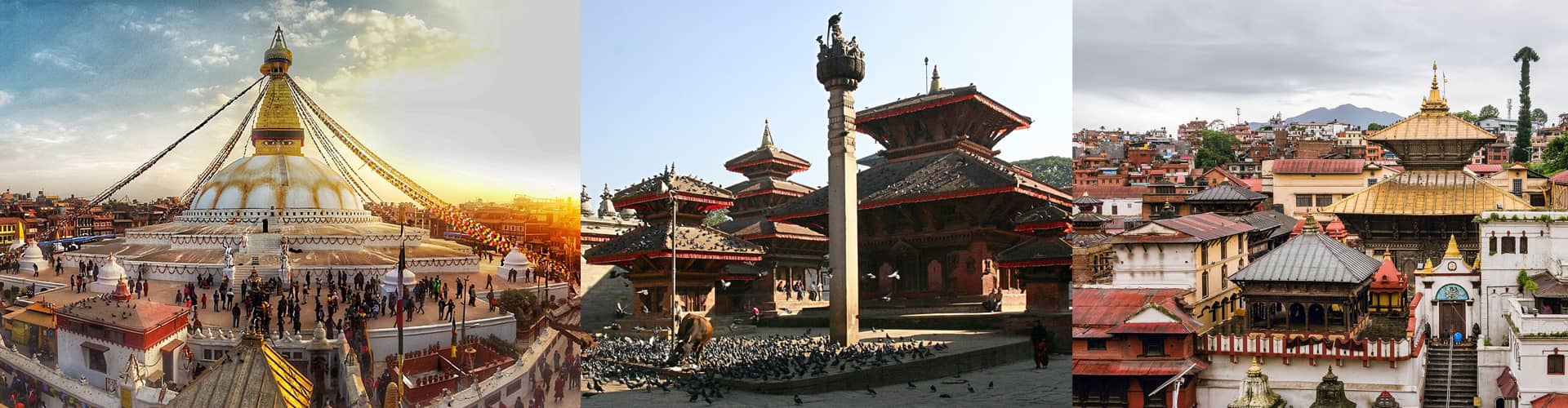
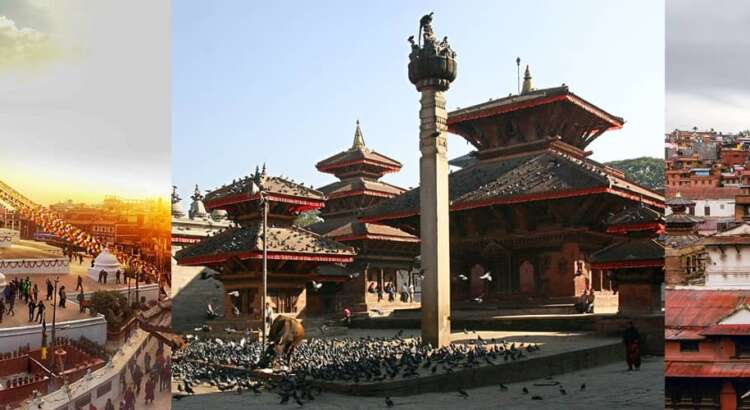
Kathmandu, the capital of Nepal, is a captivating city where ancient traditions blend seamlessly with modern life. Nestled in a scenic valley surrounded by hills, it serves as the cultural, historical, and spiritual heart of the country. The city is renowned for its centuries-old temples, vibrant markets, colorful festivals, and UNESCO-listed heritage sites that reflect Nepal’s rich history.
Walking through Kathmandu’s bustling streets reveals ornate palaces, sacred shrines, and lively squares filled with local artisans and traditional architecture. Visitors can admire intricately carved wooden buildings, explore centuries-old courtyards, and witness daily religious rituals that continue to shape the city’s identity. The local cuisine, featuring flavorful momos and authentic Nepalese dishes, adds another memorable aspect to the experience.
Kathmandu is also the primary gateway to the Himalayas, attracting trekkers and adventurers heading toward world-famous mountain regions. At the same time, it offers plenty for travelers interested in art, history, photography, and spirituality. Peaceful monasteries, panoramic viewpoints, and bustling shopping districts create a diverse mix of experiences suitable for every type of visitor.
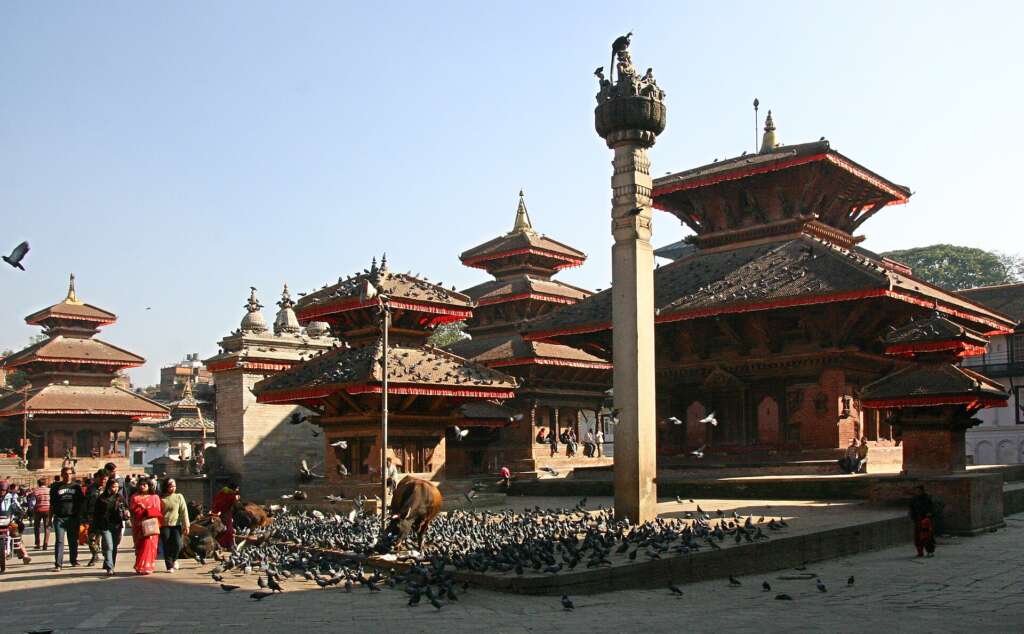
Despite its energetic pace, Kathmandu maintains a welcoming atmosphere where tradition remains deeply rooted in everyday life. Whether discovering ancient landmarks, enjoying cultural performances, or simply wandering through historic neighborhoods, visitors gain a unique appreciation for Nepal’s heritage. The city’s fascinating blend of spirituality, architecture, and local hospitality makes it one of South Asia’s most rewarding destinations.
How to Get to Kathmandu
By Air
- Most international travelers arrive through Tribhuvan International Airport, Nepal’s main international gateway.
- The airport is located close to the city center and offers taxis, airport transfers, and local transportation.
By Road
- Kathmandu is connected by highways to major cities and border crossings within Nepal and neighboring India.
- Tourist buses and private vehicles are common options for overland travel.
By Tourist Bus
- Comfortable tourist buses operate from popular destinations such as Pokhara and Chitwan.
- Deluxe services often include air conditioning and reserved seating.
By Private Car or Taxi
- Hiring a private vehicle offers flexibility and convenience, especially for families or small groups.
- Road journeys through Nepal provide scenic mountain and countryside views.
Local Transport
- Taxis, ride-hailing services, local buses, and rental scooters are available for getting around Kathmandu.
- Walking is ideal for exploring many of the historic districts.
Things to Do in Kathmandu
- Explore the historic Kathmandu Durbar Square and its ancient architecture.
- Visit the iconic Swayambhunath (Monkey Temple) for panoramic city views.
- Discover the spiritual atmosphere at Boudhanath Stupa.
- Experience the sacred rituals at Pashupatinath Temple.
- Wander through Thamel’s bustling shops, cafés, and markets.
- Taste authentic Nepalese cuisine, including momos and traditional curries.
- Visit museums showcasing Nepal’s history and culture.
- Shop for handcrafted souvenirs, pashmina products, and local artwork.
- Explore nearby monasteries and meditation centers.
- Enjoy day trips to surrounding hills and scenic viewpoints.
- Attend local festivals if visiting during celebration periods.
- Use Kathmandu as a starting point for Himalayan trekking adventures.
Things Not to Forget for Your Trip to Kathmandu
- Carry your passport, visa documents, and travel insurance information.
- Wear comfortable walking shoes for uneven streets and temple complexes.
- Dress modestly when visiting religious sites.
- Bring sunscreen, sunglasses, and a hat for daytime sightseeing.
- Carry a reusable water bottle and stay hydrated.
- Keep small cash denominations for local markets and taxis.
- Pack a light jacket, especially during cooler mornings and evenings.
- Bring a universal power adapter and portable charger.
- Respect photography restrictions inside temples and monasteries.
- Store valuables securely in crowded tourist areas.
- Carry any necessary medications and a basic first-aid kit.
- Download offline maps for easier navigation around the city.
Best Time to Visit Kathmandu
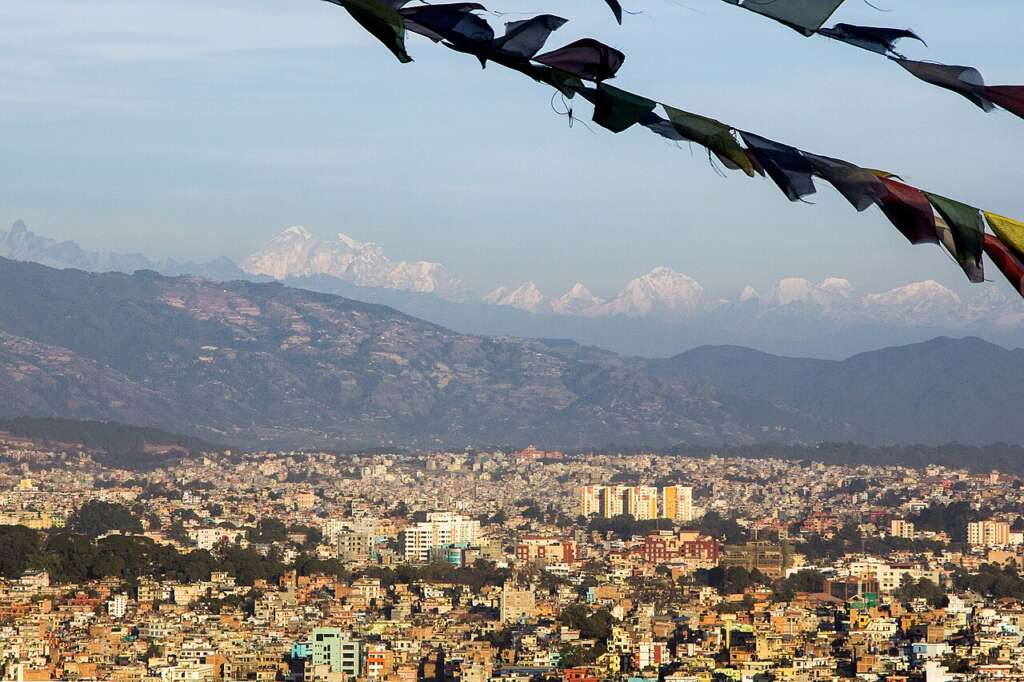
⭐ Best Overall Time: October to November
- Clear skies, comfortable temperatures, and excellent mountain views make this the ideal season for sightseeing and trekking.
- Festivals and cultural events also add to the city’s vibrant atmosphere.
Spring (March to May)
- Pleasant weather and blooming flowers make spring a wonderful time for outdoor activities.
- This season is popular for trekking and exploring nearby hills.
Autumn (October to November) ⭐ Highly Recommended
- Dry weather and crisp visibility provide the best conditions for photography and travel.
- Many of Nepal’s major festivals take place during this period.
Summer/Monsoon (June to September)
- Frequent rainfall keeps the valley lush and green but may affect travel plans.
- Expect humid conditions and occasional transportation delays.
Winter (December to February)
- Cool mornings and evenings with generally sunny days.
- A good season for city exploration, though temperatures can drop noticeably after sunset.
Helpful Travel Tips
- Visit in October or November for the best weather and scenic Himalayan views.
- Start sightseeing early to avoid traffic and crowds.
- Dress respectfully at temples and remove shoes where required.
- Carry cash for smaller shops and local vendors.
- Allow extra time for travel within the city due to busy roads and congestion.
What Is Kathmandu Famous For?
- UNESCO World Heritage Sites: Kathmandu is renowned for its ancient temples, palaces, and monuments, including the historic Kathmandu Durbar Square.
- Sacred Temples and Stupas: The city is home to iconic landmarks such as Swayambhunath (Monkey Temple), Boudhanath, and Pashupatinath Temple.
- Rich Cultural Heritage: Kathmandu preserves centuries-old traditions, festivals, art, and architecture that reflect Nepal’s diverse history.
- Gateway to the Himalayas: It serves as the main starting point for trekkers and climbers heading to famous Himalayan regions, including routes leading toward Mount Everest.
- Bustling Markets: Areas like Thamel are popular for shopping, local crafts, trekking gear, and vibrant nightlife.
- Traditional Nepalese Cuisine: Visitors come to enjoy local specialties such as momos, dal bhat, and authentic street food.
- Spiritual Atmosphere: Kathmandu is an important center for both Hinduism and Buddhism, attracting pilgrims and travelers from around the world.
- Historic Architecture: Intricately carved wooden buildings, ancient courtyards, and royal palaces showcase exceptional craftsmanship.
- Festivals: The city hosts colorful celebrations throughout the year, offering visitors a chance to experience Nepalese culture firsthand.
Overall, Kathmandu is most famous for its historic temples, UNESCO heritage sites, vibrant culture, spiritual significance, and its role as the gateway to the Himalayas.
How Far Is Mount Everest from Kathmandu?
- By straight-line distance: Mount Everest is approximately 160 km (100 miles) northeast of Kathmandu.
- By road: There is no direct road from Kathmandu to Everest Base Camp. Reaching the Everest region requires a combination of driving and trekking or flying.
- By flight: The most common route is a 30–40 minute flight from Kathmandu to Tenzing-Hillary Airport, followed by a multi-day trek.
- By trek: From Lukla, it typically takes 8–10 days of hiking to reach Everest Base Camp, depending on your pace and acclimatization schedule.
In short: Although Everest is only about 160 km (100 miles) from Kathmandu as the crow flies, visiting it usually involves a flight to Lukla and several days of trekking through the Himalayas.
Is Kathmandu Cheap or Expensive?
Kathmandu is generally considered an affordable destination, making it popular with budget and backpacker travelers.
- Accommodation: Budget hostels and guesthouses are widely available, while mid-range and luxury hotels remain reasonably priced compared to many international cities.
- Food: Local restaurants and street food offer delicious meals at low cost, though upscale dining is available if preferred.
- Transportation: Taxis, buses, and ride-hailing services are relatively inexpensive, and many attractions are within walking distance.
- Attractions: Entrance fees for temples, museums, and heritage sites are usually modest, though some UNESCO sites charge higher fees for foreign visitors.
- Shopping: Local markets offer good value on handicrafts, pashmina products, and souvenirs, but bargaining is common.
Overall: Kathmandu is budget-friendly and offers excellent value for money, allowing travelers to enjoy its culture, history, and cuisine without spending a fortune.