
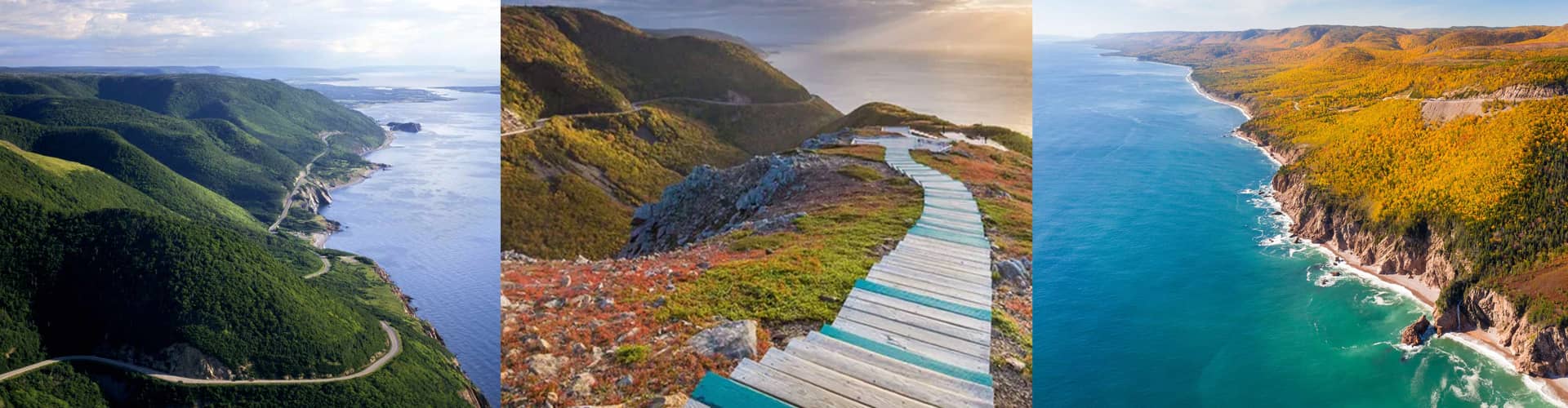
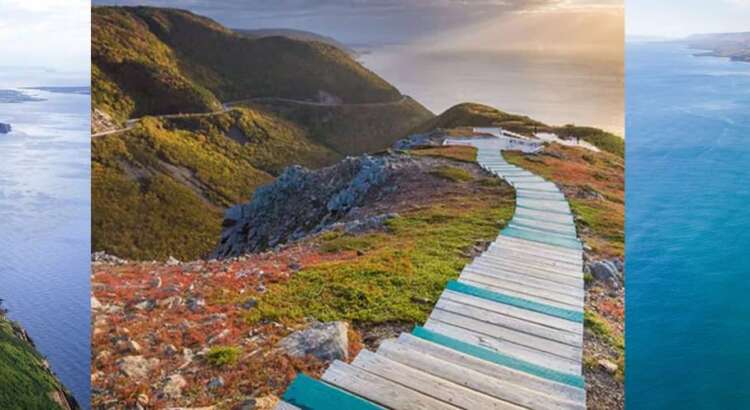
Cabot Trail is one of Canada’s most scenic driving routes, offering breathtaking coastal landscapes, mountain views, and charming small towns across Cape Breton Island in Nova Scotia. Stretching for nearly 300 kilometers, this famous loop attracts travelers who want to experience natural beauty, outdoor adventures, and local culture in a single journey. The route winds through the stunning Cape Breton Highlands, where visitors can enjoy dramatic cliffs overlooking the Atlantic Ocean, peaceful forests, and picturesque hiking trails.
The best time to visit Cabot Trail is from late spring to early autumn, especially between June and October, when the weather is pleasant and the scenery is at its best. During the fall season, the trail becomes especially popular because of its colorful autumn foliage, creating spectacular views along the drive. Travelers can stop at several lookout points, beaches, fishing villages, and cultural attractions throughout the route.
Cabot Trail is also known for its outdoor activities. Hiking enthusiasts can explore trails in the Cape Breton Highlands National Park, while wildlife lovers may spot whales, bald eagles, and moose along the way. Local restaurants and cafés offer fresh seafood and traditional Nova Scotian dishes, giving visitors a chance to enjoy authentic regional flavors.
Driving the Cabot Trail usually takes around five to seven hours without major stops, but many travelers prefer spending two or three days exploring the area at a relaxed pace. Whether you enjoy photography, road trips, nature, or cultural experiences, Cabot Trail offers something memorable for every visitor. Its combination of ocean scenery, mountain landscapes, and welcoming communities makes it one of the top travel destinations in Atlantic Canada.
How to Get to Cabot Trail
- Fly to Halifax Stanfield International Airport, the nearest major airport in Nova Scotia.
- Drive about 4.5–5 hours from Halifax to reach Cape Breton Island.
- You can also fly to JA Douglas McCurdy Sydney Airport, located closer to the trail.
- Rent a car for the best travel experience and flexibility.
- Popular starting points for the Cabot Trail loop include Baddeck, Cheticamp, and Ingonish.
- Follow Highway 104 and cross the Canso Causeway to enter Cape Breton Island.
- Guided tours from Halifax are available for travelers who prefer organized trips.
- Public transportation is limited, so self-driving is the most convenient option.
Things to Do in Cabot Trail
- Drive along the scenic Cabot Trail loop and enjoy breathtaking coastal and mountain views.
- Visit Cape Breton Highlands National Park for hiking, sightseeing, and nature photography.
- Explore the famous Skyline Trail, known for its dramatic cliffside views overlooking the Atlantic Ocean.
- Stop at charming fishing villages such as Cheticamp and Ingonish to experience local culture and seafood cuisine.
- Watch for wildlife including moose, bald eagles, and whales during your journey.
- Relax at beautiful beaches and quiet picnic spots along the coastline.
- Enjoy kayaking, cycling, and outdoor adventures in the surrounding natural areas.
- Visit local artisan shops, cultural centers, and small museums to learn about Cape Breton’s heritage.
- Experience live Celtic music performances and traditional Nova Scotian hospitality in nearby communities.
- Take scenic photographs during sunrise or sunset for unforgettable travel memories.
- Visit lookout points throughout the route to enjoy panoramic ocean and forest landscapes.
- Try fresh lobster, chowder, and other regional dishes at local restaurants and cafés.
Things Not to Forget for Your Trip to Cabot Trail
- Carry a valid ID, travel documents, and hotel booking confirmations.
- Pack warm clothing and a light waterproof jacket, as weather conditions can change quickly.
- Bring comfortable walking or hiking shoes for trails and outdoor activities.
- Keep a camera or smartphone ready to capture scenic coastal and mountain views.
- Carry sunscreen, sunglasses, and a hat for daytime sightseeing.
- Download offline maps or keep a GPS device, as mobile signals may be weak in some areas.
- Bring snacks and a reusable water bottle for long drives between stops.
- Keep emergency supplies in your vehicle, including a flashlight and basic first-aid kit.
- Refuel your car whenever possible because gas stations can be limited in remote areas.
- Reserve accommodations in advance during the busy summer and fall seasons.
- Carry binoculars if you want to enjoy whale watching or wildlife spotting.
- Do not forget chargers, power banks, and extra camera batteries for long sightseeing days.
- Start your drive early to avoid rushing and to enjoy more scenic viewpoints along the trail.
- Check weather forecasts before traveling, especially during autumn and winter months.
Best Time to Visit Cabot Trail
Best Overall Time: September to Early October
- This is the most recommended period because of the stunning fall foliage, cool weather, and scenic coastal views.
- The forests turn vibrant shades of red, orange, and yellow, creating perfect photography opportunities.
- Ideal for road trips, sightseeing, hiking, and nature lovers.
Seasonal Breakdown
Summer (June to August)
- Perfect for outdoor adventures, hiking, whale watching, and camping.
- Pleasant temperatures and longer daylight hours make driving more enjoyable.
- Popular tourist season with lively local events and open attractions.
Fall (September to October) — Recommended
- Best season for scenic drives and autumn colors.
- Cooler weather and fewer crowds compared to peak summer months.
- Excellent time for photography and peaceful sightseeing.
Spring (May to Early June)
- Fresh greenery and quieter roads create a relaxing travel experience.
- Some seasonal attractions and restaurants may open later in the season.
Winter (November to April)
- Suitable for travelers who enjoy snow-covered landscapes and winter scenery.
- Certain roads, trails, and tourism services may have limited access because of weather conditions.
Helpful Travel Tips
- Start your drive early in the morning for better lighting and fewer crowds.
- Book accommodations in advance during fall and summer due to high visitor demand.
- Carry layered clothing because coastal weather can change quickly during the day.
How Long Does It Take to Drive Cabot Trail?
- The full Cabot Trail loop is approximately 298 kilometers (185 miles) long.
- Driving the entire route without major stops usually takes around 5 to 7 hours.
- Most travelers prefer spending 2 to 3 days exploring the trail at a relaxed pace.
- A longer trip allows time to enjoy scenic viewpoints, hiking trails, beaches, and local villages.
- Popular stops include Cheticamp, Ingonish, Pleasant Bay, and Cape Breton Highlands National Park.
- Photography stops and short walks can easily add several extra hours to the journey.
- Travelers visiting during fall foliage season often spend more time enjoying the colorful landscapes.
- If you plan to hike trails like the Skyline Trail, consider adding an extra day to your itinerary.
- Starting early in the morning is recommended to fully enjoy the scenic drive without rushing.
- For the best experience, many visitors choose overnight stays along the route instead of completing the drive in one day.
What Is Cabot Trail Known For?
- Cabot Trail is famous for being one of the most scenic coastal drives in Canada.
- It is known for breathtaking ocean views, dramatic cliffs, forested mountains, and winding roads.
- The trail passes through Cape Breton Highlands National Park, a popular destination for hiking and wildlife spotting.
- Travelers visit the area for its spectacular fall foliage during September and October.
- The route is well known for scenic viewpoints that overlook the Atlantic Ocean and rugged coastline.
- Cabot Trail is also popular for outdoor activities such as hiking, camping, cycling, kayaking, and whale watching.
- Visitors often explore charming fishing villages including Cheticamp and Ingonish along the route.
- The region is recognized for its Celtic culture, traditional music, and friendly local communities.
- Seafood lovers enjoy fresh lobster, chowder, and other Nova Scotian specialties available at local restaurants.
- Photographers and road trip enthusiasts consider Cabot Trail one of the best scenic journeys in Atlantic Canada.
- The trail is especially admired for combining coastal beauty, mountain landscapes, and cultural experiences in one unforgettable trip.
Why Is Cabot Trail Called the Cabot Trail?
- The Cabot Trail is named after John Cabot, the Italian explorer who sailed to Atlantic Canada in the late 15th century.
- John Cabot explored parts of the eastern Canadian coastline during his voyage in 1497 under the sponsorship of England.
- The scenic highway was given his name to honor his historical connection to the region and maritime exploration.
- The route was officially developed in the early 20th century to connect remote communities across Cape Breton Island.
- Today, the Cabot Trail is recognized as one of Canada’s most famous scenic drives and tourist attractions.
- The name reflects the area’s rich history, coastal heritage, and connection to early European exploration in North America.
Featured image credits: discover-the-world, tripsavvy