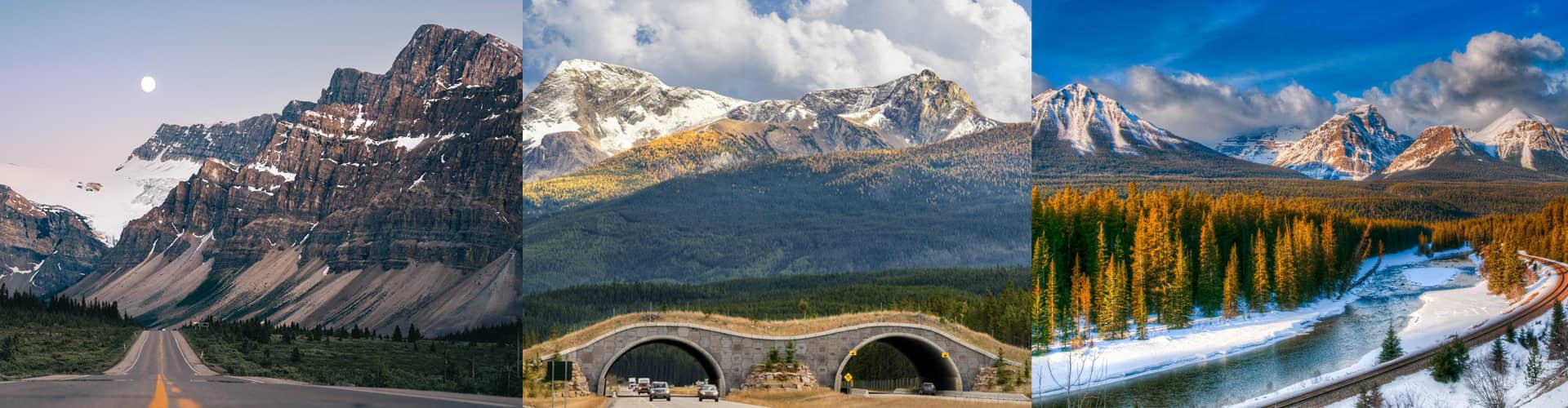
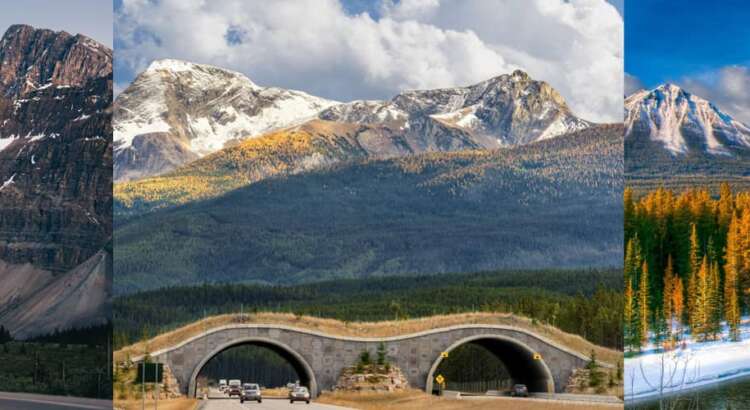
Banff National Park is one of the most spectacular natural destinations in Canada and is celebrated for its breathtaking mountain landscapes, crystal-clear lakes, abundant wildlife, and outdoor adventures. Located in the heart of the Canadian Rockies in Alberta, the park attracts millions of visitors each year who come to experience its remarkable scenery and pristine wilderness.
Established in 1885, Banff National Park is Canada’s oldest national park and forms part of the larger Canadian Rocky Mountain Parks UNESCO World Heritage Site. The park covers a vast area of mountains, forests, rivers, and glaciers, offering endless opportunities for exploration and recreation. Its dramatic landscapes make it a favorite destination for photographers, hikers, nature enthusiasts, and adventure travelers.
Among the park’s most famous attractions are Lake Louise and Moraine Lake. These iconic lakes are renowned for their brilliant turquoise waters, which reflect the surrounding peaks and create some of the most photographed views in Canada. Visitors can enjoy canoeing, hiking, sightseeing, and simply admiring the extraordinary scenery.
The park is also home to diverse wildlife, including elk, deer, bighorn sheep, and bears. Scenic drives such as the famous Icefields Parkway provide access to panoramic viewpoints, glaciers, waterfalls, and mountain valleys. During winter, Banff becomes a popular destination for skiing, snowboarding, and other snow-based activities, while summer offers excellent conditions for hiking, cycling, and camping.
With its combination of towering peaks, vibrant lakes, rich wildlife, and year-round outdoor activities, Banff National Park delivers an unforgettable experience for travelers seeking the natural beauty of the Canadian Rockies. It remains one of the most iconic and rewarding destinations in North America.
How to Reach Banff National Park
Reaching Banff National Park is relatively easy thanks to its excellent transportation links and proximity to major travel hubs in western Canada. Whether arriving by air, road, or public transportation, visitors can enjoy stunning mountain scenery throughout the journey.
By Air
The nearest major airport is Calgary International Airport, located about 140 kilometers from Banff National Park. This airport receives domestic and international flights from many destinations worldwide, making it the most convenient entry point for travelers.
After arriving in Calgary, visitors can continue to Banff by shuttle bus, rental car, private transfer, or guided tour. The drive from Calgary to Banff usually takes around one and a half to two hours, depending on weather and traffic conditions.
By Road
Driving is one of the most popular ways to reach the park. Well-maintained highways connect Banff with nearby cities and attractions throughout Alberta and British Columbia. The route offers spectacular views of mountains, forests, and open landscapes, making the journey itself part of the adventure.
By Bus and Shuttle Services
Several transportation companies operate regular shuttle and bus services between Calgary Airport, downtown Calgary, and Banff. These services provide a convenient option for travelers who prefer not to drive and allow visitors to reach the park comfortably while enjoying the scenery along the way.
By Train
Although passenger train options are limited, some seasonal rail experiences and sightseeing journeys travel through the Canadian Rockies, offering visitors a memorable way to experience the region’s spectacular landscapes.
Helpful Travel Tip
Many travelers choose to fly into Calgary and then travel to Banff by shuttle or rental car. Booking transportation and accommodation in advance is recommended, especially during the busy summer season and winter holidays when visitor numbers are highest.
Things to Do in Banff National Park
Banff National Park offers an incredible variety of outdoor experiences, making it one of the most exciting destinations in the Canadian Rockies. From turquoise lakes and mountain trails to wildlife encounters and scenic drives, there is something for every type of traveler.
Visit the Famous Lakes
One of the highlights of Banff National Park is exploring its world-renowned lakes. Lake Louise and Moraine Lake are famous for their vibrant blue waters and stunning mountain backdrops. Visitors can enjoy lakeside walks, canoeing, photography, and spectacular viewpoints throughout the area.
Explore Scenic Hiking Trails
The park features numerous hiking routes that pass through forests, valleys, alpine meadows, and mountain landscapes. Trails range from easy walks to more challenging adventures, allowing visitors to experience the natural beauty of the Rockies at their own pace.
Enjoy Wildlife Viewing
Banff is home to a wide variety of wildlife, including elk, deer, mountain goats, bighorn sheep, and bears. Observing animals in their natural habitat is one of the most memorable experiences for many visitors. Early mornings and evenings often provide the best opportunities for wildlife sightings.
Drive Along Scenic Routes
The famous Icefields Parkway is considered one of the most beautiful drives in the world. The route passes glaciers, waterfalls, lakes, and mountain viewpoints, providing countless opportunities for sightseeing and photography.
Take a Gondola Ride
Visitors can ride the Banff Gondola to enjoy panoramic views of the surrounding mountains and valleys. The summit offers observation areas and scenic walking paths.
Experience Winter Activities
During winter, the park becomes a popular destination for skiing, snowboarding, snowshoeing, and winter photography. Snow-covered peaks and frozen landscapes create a magical alpine atmosphere.
Capture Stunning Photographs
With dramatic mountain scenery, crystal-clear lakes, wildlife, and changing seasonal colors, Banff National Park provides endless opportunities for unforgettable travel photography.
Things Not to Forget Before Visiting Banff National Park
Proper preparation can make your visit to Banff National Park safer, more comfortable, and more enjoyable. Since the park is located in the Canadian Rockies, weather conditions and outdoor environments can change quickly, so it is important to pack wisely and plan ahead.
Pack Clothing for Changing Weather
Mountain weather can be unpredictable throughout the year. Even during summer, temperatures may vary significantly between morning and evening. Bringing layered clothing, a waterproof jacket, and warm outerwear helps travelers stay comfortable in different conditions.
Wear Comfortable Hiking Shoes
Many of the park’s most beautiful attractions are best explored on foot. Comfortable walking or hiking shoes with good support are essential for enjoying trails, viewpoints, and outdoor activities safely.
Carry Important Travel Documents
Visitors should keep passports, identification, accommodation details, travel insurance information, and transportation confirmations easily accessible. Having digital copies stored securely can also be useful during the trip.
Bring a Camera or Power Bank
Banff National Park is filled with incredible scenery, including turquoise lakes, mountain peaks, glaciers, and wildlife. A camera, smartphone, or portable charger ensures you can capture memorable moments without worrying about battery life.
Carry Water and Snacks
Exploring the park often involves long drives, walks, or hiking excursions. Keeping water and light snacks with you can help maintain energy levels during outdoor adventures.
Check Wildlife Safety Guidelines
Banff is home to bears, elk, and other wild animals. Visitors should learn and follow park safety recommendations, maintain safe distances from wildlife, and avoid feeding animals under any circumstances.
Reserve Accommodation and Activities Early
The park is one of Canada’s most popular destinations. Hotels, campgrounds, and popular attractions can fill quickly during peak seasons, so advance reservations are highly recommended.
Respect Nature and Leave No Trace
Help preserve the park’s natural beauty by staying on marked trails, disposing of waste properly, and respecting local environmental regulations. Responsible travel helps protect the wildlife and landscapes for future visitors.
Best Time to Visit Banff National Park
Banff National Park is a year-round destination, with each season offering its own unique scenery and activities. The best time to visit depends on whether you prefer hiking, wildlife viewing, photography, sightseeing, or winter sports.
Summer (June to August)
Summer is the most popular season for visiting Banff. During these months, hiking trails are generally accessible, lakes display their famous turquoise colors, and the weather is ideal for outdoor exploration. Visitors can enjoy canoeing, cycling, sightseeing, and scenic drives while taking in spectacular views of the Canadian Rockies. This is also the busiest period, so popular attractions and accommodations should be booked well in advance.
Autumn (September to October)
Autumn is considered by many travelers to be one of the most beautiful times to visit the park. Cooler temperatures, colorful foliage, and fewer visitors create a peaceful atmosphere. Wildlife activity often increases during this season, making it an excellent time for nature photography and scenic drives.
Winter (November to March)
Winter transforms Banff into a snowy wonderland. Skiing, snowboarding, snowshoeing, and winter hiking become popular activities throughout the region. Snow-covered mountains, frozen lakes, and festive winter scenery make this season particularly appealing for travelers seeking a classic Canadian winter experience.
Spring (April to May)
Spring brings a gradual return of greenery and flowing rivers as snow begins to melt. While some higher-elevation trails may still have snow, lower areas become increasingly accessible for sightseeing and outdoor activities. Visitor numbers are generally lower during this period, providing a quieter travel experience.
Helpful Travel Tip
For hiking, sightseeing, and lake activities, the months from June to September are usually considered the best time to visit. Travelers interested in winter sports and snowy landscapes often prefer December to March. Choosing the right season depends on the type of adventure you wish to experience in Banff National Park.
What is so special about Banff National Park?
Banff National Park is special because it combines some of the most spectacular natural scenery in the world with incredible outdoor adventures and abundant wildlife. Located in the heart of the Canadian Rockies, the park is famous for its turquoise lakes, snow-capped mountains, glaciers, forests, and breathtaking landscapes that attract millions of visitors every year.
One of the park’s most remarkable features is its iconic lakes. Lake Louise and Moraine Lake are renowned for their vivid blue waters, created by fine particles from nearby glaciers. Surrounded by towering mountain peaks, these lakes are among the most photographed natural attractions in Canada.
Banff is also celebrated for its diverse wildlife. Visitors may spot elk, deer, bighorn sheep, mountain goats, and even bears in their natural habitats. This rich ecosystem makes the park a paradise for wildlife enthusiasts and nature photographers.
Another reason Banff stands out is the variety of outdoor activities available throughout the year. Travelers can enjoy hiking, canoeing, cycling, camping, scenic drives, and wildlife viewing during warmer months. In winter, the park becomes a popular destination for skiing, snowboarding, and snowshoeing.
The famous Icefields Parkway, often regarded as one of the most beautiful drives in the world, passes through the region and offers access to glaciers, waterfalls, mountain valleys, and panoramic viewpoints. Combined with its pristine environment and dramatic scenery, this route adds to the park’s appeal.
What truly makes Banff National Park unique is its ability to offer unforgettable experiences in every season. Its extraordinary landscapes, rich biodiversity, and endless opportunities for adventure make it one of Canada’s most treasured natural destinations and a must-visit location for travelers seeking the beauty of the Canadian Rockies.
Is Banff National Park an Expensive Trip?
Yes, Banff is generally considered one of the more expensive travel destinations in Canada, but the total cost depends on your travel style and the season you visit.
Why Banff Can Be Expensive
- Accommodation: Hotels, lodges, and resorts in Banff often have high prices, especially during summer (June–August) and peak winter ski season.
- Transportation: Most international travelers fly into Calgary International Airport and then travel to Banff by shuttle or rental car, adding to overall expenses.
- Dining: Restaurants and cafés in the town of Banff can be more expensive than in many other Canadian cities.
- Activities: Gondola rides, guided tours, skiing, canoe rentals, and adventure excursions can increase the travel budget.
Budget-Friendly Ways to Visit
Banff does not have to be a luxury trip. Travelers can reduce costs by:
- Visiting during the shoulder seasons (May, early June, September, or October)
- Booking hotels several months in advance
- Staying in nearby areas such as Canmore
- Using shuttle services instead of renting a car
- Preparing some meals instead of dining out for every meal
- Enjoying free attractions such as scenic viewpoints, hiking trails, and wildlife watching
Typical Daily Budget (Per Person)
| Travel Style | Approximate Daily Cost |
|---|---|
| Budget | $80–150 CAD |
| Mid-Range | $150–350 CAD |
| Luxury | $350+ CAD |
Is It Worth the Cost?
Most travelers believe Banff is worth the expense because of its world-famous scenery, turquoise lakes, mountain landscapes, wildlife, and outdoor activities. Attractions such as Lake Louise, Moraine Lake, and the Icefields Parkway provide experiences that are difficult to find elsewhere.
In short: Banff can be expensive compared to many destinations, but careful planning can make it surprisingly affordable while still allowing you to enjoy the park’s incredible natural beauty.
What’s the Best Month to Visit Banff National Park?
September is often considered the best month to visit Banff National Park.
During September, visitors can enjoy:
- Pleasant daytime temperatures
- Fewer crowds than the peak summer months of July and August
- Beautiful autumn colors beginning to appear
- Excellent hiking and sightseeing conditions
- Clear views of mountains, lakes, and wildlife
- Lower accommodation demand compared to mid-summer
Other Great Months
June
- Lakes begin to thaw and reveal their famous turquoise colors
- Wildflowers start blooming
- Ideal for hiking and outdoor activities
- Fewer visitors than July and August
July and August
- Warmest weather of the year
- All major attractions and trails are accessible
- Perfect for canoeing, hiking, and scenic drives
- Peak tourist season with larger crowds and higher prices
October
- Stunning fall foliage
- Peaceful atmosphere with fewer tourists
- Cooler temperatures and excellent photography opportunities
December to February
- Best for skiing, snowboarding, and winter landscapes
- Snow-covered mountains create a magical winter setting
- Popular season for winter sports enthusiasts
Best Month by Travel Interest
| Travel Interest | Best Month |
|---|---|
| Hiking | September |
| Photography | September & October |
| Lake Views | July–September |
| Wildlife Viewing | September |
| Fewer Crowds | June & October |
| Skiing & Snowboarding | January & February |
Quick Recommendation
If you can visit only once, September offers the best balance of comfortable weather, beautiful scenery, accessible trails, wildlife viewing opportunities, and fewer crowds, making it one of the most rewarding times to experience Banff National Park.