Porto is Portugal’s second-largest city and a captivating destination where centuries of history blend seamlessly with modern charm. Situated along the Douro River in northern Portugal, the city is renowned for its colorful riverside buildings, elegant bridges, and vibrant cultural scene. Its historic center, filled with narrow cobbled streets and beautifully preserved architecture, invites visitors to explore at a leisurely pace.
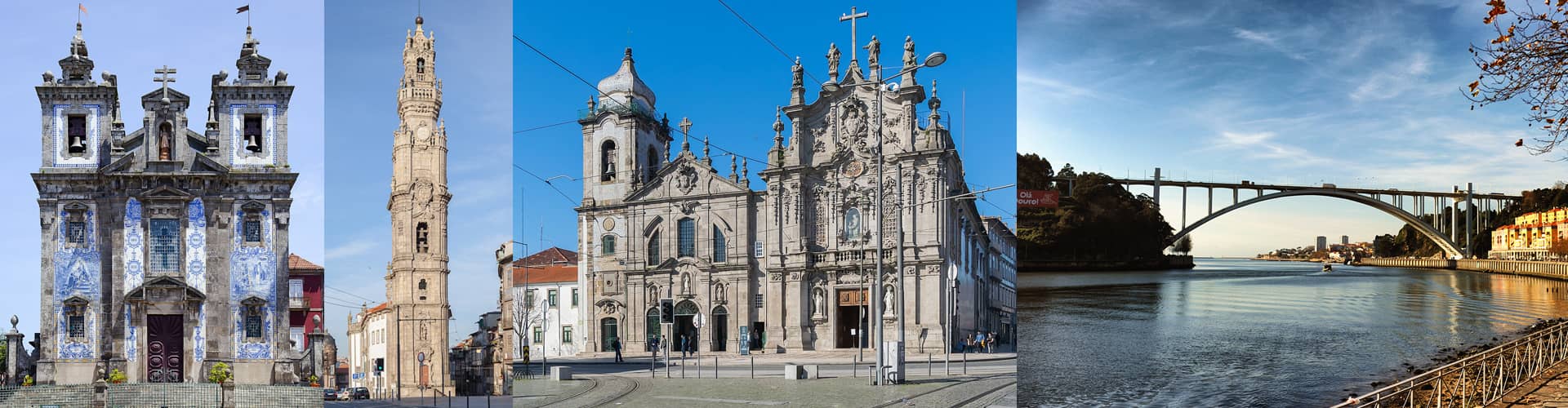
One of Porto’s defining features is its connection to world-famous port wine. Across the river in Vila Nova de Gaia, traditional wine cellars offer guided tours and tastings that showcase the region’s rich winemaking heritage. The city is also home to remarkable landmarks, including grand churches adorned with blue azulejo tiles, impressive railway stations, and lively public squares.
Food lovers will appreciate Porto’s thriving culinary culture, from fresh seafood and pastries to local specialties served in welcoming cafés and family-run restaurants. The waterfront promenade is perfect for relaxing walks, while scenic viewpoints reveal breathtaking panoramas over the Douro Valley and the city skyline.

Art galleries, museums, shopping streets, and river cruises provide plenty of entertainment for visitors with diverse interests. Whether exploring historic neighborhoods, crossing iconic bridges, or simply enjoying the atmosphere from a riverside terrace, Porto offers memorable experiences throughout the year.
Its friendly locals, walkable layout, and excellent transport connections make it an ideal destination for both short city breaks and longer holidays. Combining tradition, gastronomy, architecture, and riverside beauty, Porto remains one of Europe’s most rewarding travel destinations.
How to Get to Porto
By Air
- Fly into Francisco Sá Carneiro Airport, the city’s international airport serving numerous European and global destinations.
- The airport is well connected to the city center by metro, buses, taxis, and ride-sharing services.
By Train
- High-speed and regional trains connect Porto with major Portuguese cities, including Lisbon, Braga, and Coimbra.
- Rail travel is comfortable and offers scenic views through the Portuguese countryside.
By Bus
- Long-distance buses provide affordable connections between Porto and many cities across Portugal and neighboring countries.
- Modern coach services frequently arrive at centrally located bus terminals.
By Car
- Porto is accessible via Portugal’s well-maintained motorway network.
- Renting a car is useful for exploring nearby wine regions and coastal towns, although parking in the historic center can be limited.
Local Transport
- The city has an efficient metro system, buses, historic trams, taxis, and ride-sharing options.
- Walking is one of the best ways to explore Porto’s compact historic districts.
Guided Tours
- Organized city tours, walking tours, and river cruises offer convenient ways to discover Porto’s landmarks and cultural highlights.

Things to Do in Porto
- Explore the colorful Ribeira district along the Douro River.
- Visit historic churches decorated with traditional azulejo tiles.
- Tour famous port wine cellars and enjoy tasting experiences.
- Walk across the iconic Dom Luís I Bridge for panoramic city views.
- Take a scenic cruise along the Douro River.
- Wander through lively markets and shopping streets.
- Discover museums, art galleries, and cultural centers.
- Relax in riverside cafés and sample authentic Portuguese cuisine.
- Visit historic railway stations known for their artistic tilework.
- Watch the sunset from one of Porto’s many viewpoints.
- Explore nearby beaches and coastal promenades.
- Enjoy local bakeries serving traditional pastries and desserts.
Things Not to Forget for Your Trip to Porto
- Wear comfortable walking shoes for the city’s steep hills and cobbled streets.
- Carry a reusable water bottle while sightseeing.
- Bring a light jacket, as evenings can be cool even during warmer months.
- Pack an umbrella or rain jacket, particularly in spring and autumn.
- Keep sunscreen and sunglasses handy for sunny days.
- Carry a portable charger for extended sightseeing.
- Reserve popular attractions and wine tours in advance during peak season.
- Keep some cash for small cafés or local shops.
- Bring a camera to capture Porto’s colorful architecture and river views.
- Store travel documents and accommodation details securely.
- Use public transportation or walk to avoid parking challenges in the city center.
- Respect local customs and help preserve historic sites by disposing of waste responsibly.
Best Time to Visit Porto
⭐ Best Overall Time: May to June & September to October
- These months offer pleasant temperatures, fewer crowds, and excellent conditions for sightseeing and outdoor dining.
- The weather is ideal for walking tours, river cruises, and exploring Porto’s historic neighborhoods.
Spring (March to May)
- Mild temperatures and blooming gardens make spring a wonderful season to visit.
- Comfortable conditions are perfect for city walks and cultural attractions.
Summer (June to August)
- Warm, sunny weather attracts many visitors and creates a lively atmosphere.
- Festivals, outdoor events, and riverfront activities are at their peak, though popular sites can be busy.
Autumn (September to October)
- Pleasant weather continues with fewer tourists than in midsummer.
- An excellent season for food experiences, wine tours, and photography.
Winter (November to February)
- Cooler temperatures and occasional rain bring a quieter atmosphere.
- Museums, cafés, and historic attractions remain enjoyable with shorter queues.
Helpful Travel Tips
- Visit during late spring or early autumn for the best balance of weather and crowd levels.
- Book accommodation early if traveling during summer festivals.
- Wear comfortable footwear because many streets are sloped and paved with stone.
- Use the metro and walking routes to explore the city efficiently.
- Allow time for both historic sightseeing and leisurely experiences along the Douro River.

What Is Porto Very Famous For?
- Port Wine: Porto is internationally renowned as the birthplace of port wine, a sweet fortified wine that has been produced in the region for centuries. Visitors can tour historic wine cellars and enjoy tastings along the Douro River.
- Historic Ribeira District: The city’s colorful riverside neighborhood is famous for its narrow streets, traditional buildings, lively cafés, and picturesque waterfront views.
- Dom Luís I Bridge: This iconic double-deck metal bridge is one of Porto’s most recognizable landmarks and offers spectacular panoramic views of the city and the Douro River.
- Beautiful Azulejo Tiles: Many churches, train stations, and public buildings in Porto are decorated with intricate blue-and-white ceramic tiles, a distinctive feature of Portuguese architecture.
- Douro River Cruises: Scenic boat trips along the Douro River provide a unique perspective of Porto’s bridges, hillsides, and historic neighborhoods.
- Rich History and Architecture: Porto boasts medieval streets, grand cathedrals, baroque churches, and elegant buildings that reflect its long and fascinating past.
- Delicious Local Cuisine: The city is known for fresh seafood, traditional Portuguese dishes, and specialties like the famous francesinha sandwich.
- UNESCO World Heritage Status: Porto’s historic center has earned global recognition for its cultural significance and remarkably preserved architecture.
- Lively Culture and Nightlife: Visitors can enjoy music venues, local markets, festivals, art galleries, and bustling riverside restaurants throughout the year.
Overall, Porto is best known for its world-famous port wine, charming riverside scenery, historic architecture, and vibrant cultural atmosphere, making it one of Portugal’s most popular travel destinations.
What Not to Do in Portugal as a Tourist
- Don’t ignore local customs and etiquette. Be polite when greeting people and show respect in churches and historic sites.
- Don’t underestimate the hills. Cities like Lisbon and Porto have steep streets, so wear comfortable walking shoes.
- Don’t rely only on credit cards. Carry some cash, as small cafés, markets, and local shops may prefer or require it.
- Don’t skip validating public transport tickets. In some systems, tickets must be validated before boarding to avoid fines.
- Don’t be loud in quiet neighborhoods. Residential areas and historic districts are best enjoyed respectfully, especially at night.
- Don’t leave valuables unattended. Keep an eye on your belongings in crowded tourist areas and on public transport.
- Don’t expect early dinners everywhere. Many restaurants become busier later in the evening, and dining times may differ from what you’re used to.
- Don’t touch or climb on historic monuments. Help preserve Portugal’s cultural heritage by following site rules and barriers.
- Don’t litter on beaches or in natural areas. Dispose of waste properly and respect protected environments.
- Don’t forget sun protection. Even outside peak summer, the sun can be strong, especially along the coast.
- Don’t assume everyone speaks English. While many people in tourist areas do, learning a few basic Portuguese phrases is appreciated.
- Don’t rush through your visit. Portugal is best experienced at a relaxed pace, taking time to enjoy its food, scenery, and local culture.
- Don’t feed wildlife or disturb marine life. Follow local guidelines in parks and coastal areas to protect ecosystems.
- Don’t overlook smaller towns and villages. Some of the country’s most memorable experiences are found beyond the major cities.
- Don’t forget to check opening hours. Museums, churches, and local businesses may have seasonal schedules or close during certain times of the day.
Image credits: en.wikipedia.org