
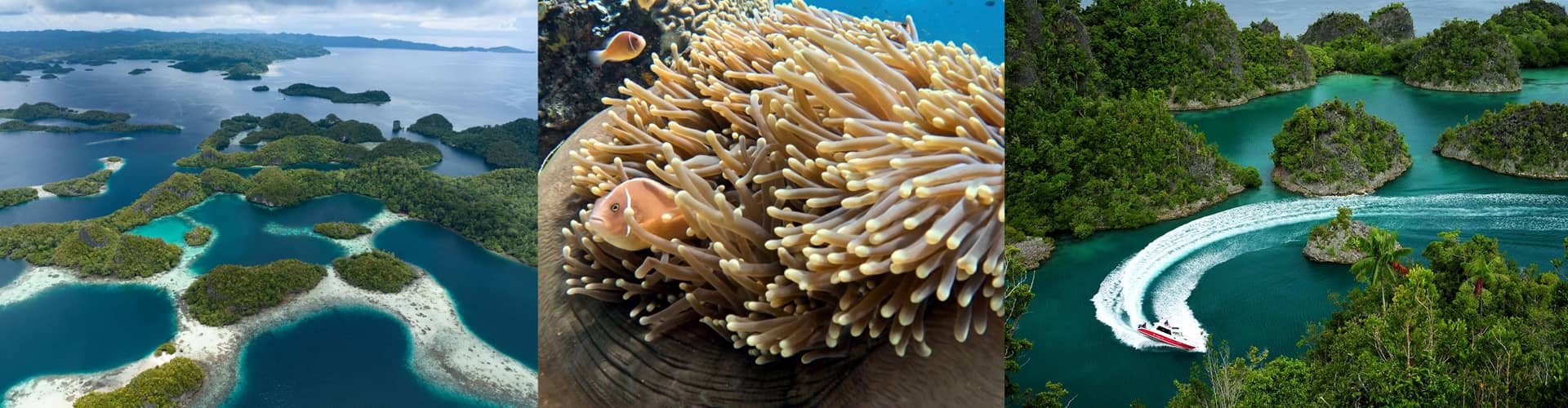
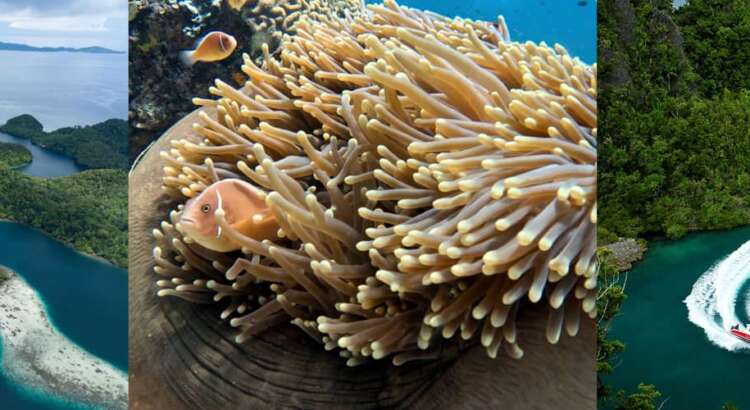
Raja Ampat is one of Indonesia’s most breathtaking island destinations, famous for its crystal-clear waters, untouched tropical islands, colorful coral reefs, and extraordinary marine biodiversity. Located in the province of West Papua in eastern Indonesia, Raja Ampat is often considered one of the world’s best destinations for diving and snorkeling.
The region consists of hundreds of small islands surrounded by turquoise lagoons, limestone cliffs, white-sand beaches, and vibrant underwater ecosystems. Travelers visiting Raja Ampat are often amazed by the natural beauty and peaceful atmosphere that make the area feel like a hidden paradise.
Raja Ampat is especially famous for its marine life. The waters are home to thousands of species of fish, coral, turtles, manta rays, and other sea creatures. Divers and snorkelers from around the world visit the region to explore colorful coral gardens and some of the richest underwater habitats on Earth.
Beyond diving, Raja Ampat offers opportunities for island hopping, kayaking, wildlife observation, hiking, and photography. Scenic viewpoints overlooking clusters of green islands rising from the sea are among the most iconic images of the destination.
The area is also known for its relatively untouched environment compared to many other tropical tourist destinations. Visitors often enjoy the calm atmosphere, traditional village experiences, and close connection with nature.
Because Raja Ampat is located in a remote part of Indonesia, the destination feels exclusive and less crowded, making it especially appealing for travelers seeking peaceful natural experiences and eco-tourism adventures.
The combination of tropical scenery, world-class marine biodiversity, clear ocean waters, and remote island beauty has made Raja Ampat one of the most extraordinary travel destinations in Southeast Asia and a dream destination for nature lovers and underwater explorers.
How to Get to Raja Ampat
By Air
- The main gateway to Raja Ampat is through Domine Eduard Osok Airport in the city of Sorong, West Papua.
- Travelers usually fly to Sorong from major Indonesian cities such as Jakarta, Bali, Makassar, or Manado.
- Most international visitors first arrive in larger Indonesian cities before taking a domestic connecting flight to Sorong.
By Ferry or Speedboat
- After reaching Sorong, travelers continue the journey to Raja Ampat by ferry or speedboat.
- Public ferries regularly operate between Sorong and the main islands of Raja Ampat.
- Speedboats are faster and are commonly arranged by resorts, hotels, or tour operators.
Island Transfers
- Raja Ampat consists of many islands, so additional boat transfers are often required to reach resorts, diving centers, or remote islands.
- Many accommodations arrange private pickup and transport services directly from Sorong.
By Liveaboard Cruise
- Some travelers explore Raja Ampat through liveaboard diving cruises that travel between multiple islands and diving locations.
- These cruises are especially popular among divers and underwater photographers.
From International Destinations
- International travelers generally enter Indonesia through cities such as Jakarta or Bali before continuing to Sorong with domestic flights.
- Early booking is recommended because flights and ferry schedules may be limited depending on the season.
Travel Planning Tip
- Because Raja Ampat is located in a remote region, travelers should carefully plan transportation schedules, boat connections, and accommodation arrangements before the trip.
Things to Do in Raja Ampat
- Explore the crystal-clear waters of Raja Ampat through snorkeling and discover colorful coral reefs filled with tropical marine life.
- Enjoy world-class scuba diving experiences and see manta rays, sea turtles, reef sharks, and thousands of fish species.
- Visit famous island viewpoints that offer breathtaking panoramic views of limestone islands and turquoise lagoons.
- Go island hopping and explore the many small tropical islands scattered across the Raja Ampat region.
- Experience kayaking through calm lagoons, hidden beaches, and scenic coastal areas surrounded by untouched nature.
- Relax on white-sand beaches and enjoy the peaceful atmosphere away from crowded tourist destinations.
- Visit local villages to learn about Papuan culture, traditional lifestyles, and local island communities.
- Take underwater photography tours to capture vibrant coral reefs and marine biodiversity.
- Watch stunning sunrises and sunsets across the ocean and island landscapes.
- Enjoy wildlife spotting opportunities, including tropical birds, marine creatures, and unique island ecosystems.
- Explore hidden lagoons, caves, and quiet coastal areas accessible only by boat.
- Stay at eco-resorts or overwater accommodations surrounded by beautiful natural scenery.
- Enjoy boat tours between islands while experiencing the region’s calm blue waters and dramatic limestone cliffs.
- Experience nature trekking and scenic walks through tropical forests and island viewpoints.
- Discover some of the world’s richest marine ecosystems in one of Earth’s most famous diving destinations.
Things Not to Forget While Visiting Raja Ampat
- Carry light and comfortable clothing suitable for tropical island weather and outdoor activities.
- Bring sunscreen, sunglasses, and a hat because the sun can be very strong around the islands and open sea areas.
- Keep swimwear and quick-dry clothes ready for snorkeling, diving, swimming, and boat tours.
- Carry waterproof bags or phone covers to protect electronics during boat rides and water activities.
- Bring insect repellent, especially for evenings and forested island areas.
- Keep enough cash because ATMs and card payment facilities may be limited on remote islands.
- Carry important medicines and personal essentials since pharmacies may not be easily available in smaller island regions.
- Bring snorkeling or diving equipment if preferred, although many tour operators also provide rental gear.
- Stay hydrated during island tours and outdoor adventures because tropical temperatures can become warm and humid.
- Keep travel documents, hotel confirmations, and boat schedules safely stored during the trip.
- Book accommodation, boat transfers, and tours in advance because Raja Ampat is a remote destination with limited availability.
- Respect local communities, marine life, and environmental rules to help protect the region’s natural beauty.
- Carry a camera or fully charged phone because Raja Ampat offers incredible photography opportunities above and below the water.
- Check weather and sea conditions before planning boat trips or diving activities.
- Follow safety instructions during snorkeling, diving, kayaking, and island-hopping tours.
Best Time to Visit Raja Ampat
Dry Season (October to April) – Best Time for Diving and Island Tours
The dry season is considered the best time to visit Raja Ampat because the weather is usually sunny, the sea remains calmer, and underwater visibility becomes excellent for diving and snorkeling.
During this period, travelers can comfortably enjoy island hopping, kayaking, boat tours, and marine activities across the region’s beautiful tropical islands and coral reefs.
The clear water conditions also make this season ideal for underwater photography and exploring Raja Ampat’s world-famous marine biodiversity.
Rainy Season (May to September) – Best for Peaceful Travel
The rainy season brings occasional tropical rainfall and slightly rougher sea conditions in some areas. However, Raja Ampat still remains beautiful and can be visited throughout the year because of its warm tropical climate.
Travelers visiting during this season may experience fewer crowds, greener island scenery, and a quieter atmosphere.
Peak Tourist Season (December to February) – Best for Marine Activities
These months are especially popular among international divers and nature travelers because of the excellent sea conditions and pleasant tropical weather. Resorts and diving tours may become busier during this period, so early booking is recommended.
Best Recommended Season
October to April is generally considered the best time to visit Raja Ampat because of the calm ocean conditions, clear visibility, outdoor adventure opportunities, and ideal weather for diving and island exploration.
Is it safe to go to Raja Ampat?
Yes, Raja Ampat is generally considered a safe destination for tourists, especially for travelers interested in diving, snorkeling, island adventures, and nature tourism. The region is known for its peaceful atmosphere, friendly local communities, and beautiful natural surroundings.
Most visitors travel to Raja Ampat for marine activities, eco-tourism, and relaxation, and serious problems involving tourists are relatively uncommon. Resorts, diving centers, and tour operators in the area are experienced in handling international travelers and usually follow safety procedures for water activities and island transportation.
However, because Raja Ampat is a remote island region in eastern Indonesia, travelers should still take normal travel precautions and plan carefully before the trip.
Boat travel is a major part of visiting Raja Ampat, so weather and sea conditions can sometimes affect transportation schedules. It is important to follow safety instructions during boat tours, diving, snorkeling, and other water activities.
Travelers should also carry enough cash, medicines, and personal essentials because facilities on smaller islands may be limited compared to larger tourist destinations.
The tropical climate means visitors should stay hydrated, protect themselves from strong sunlight, and use insect repellent when necessary.
Respecting local customs and protecting the marine environment are also important while visiting the islands. Many areas in Raja Ampat are protected because of their extraordinary biodiversity and fragile coral reef ecosystems.
For most travelers, Raja Ampat is considered a safe and unforgettable destination offering incredible natural beauty, peaceful island experiences, and some of the best underwater adventures in the world.
Is Komodo or Raja Ampat better?
Both Komodo and Raja Ampat are among Indonesia’s most spectacular destinations, but they offer very different travel experiences. The better choice depends on what type of adventure and scenery travelers prefer.
Komodo National Park is famous for its Komodo dragons, dramatic islands, hiking viewpoints, pink beaches, and adventure-style boat trips. Travelers who enjoy wildlife, trekking, island hopping, and scenic landscapes often prefer Komodo.
One of the biggest highlights of Komodo is the opportunity to see Komodo dragons in their natural habitat. Visitors can also enjoy hiking, snorkeling, sunset viewpoints, and boat tours between rugged volcanic islands.
On the other hand, Raja Ampat is world-famous for diving, snorkeling, crystal-clear waters, coral reefs, and marine biodiversity. Travelers who love underwater adventures, peaceful tropical islands, and eco-tourism often consider Raja Ampat the better destination.
Raja Ampat is generally quieter and more remote than Komodo, offering a calmer atmosphere and extraordinary marine life. Divers and underwater photographers especially prefer Raja Ampat because it is considered one of the best diving destinations on Earth.
Komodo is often easier and slightly more affordable to visit compared to Raja Ampat, which can require longer travel time and higher costs because of its remote location.
Travelers looking for wildlife, hiking, dramatic island scenery, and adventure cruises may enjoy Komodo more. Visitors searching for luxury island experiences, underwater exploration, snorkeling, and untouched marine beauty often prefer Raja Ampat.
Both destinations are incredibly beautiful, and many travelers consider visiting both for a complete Indonesian island adventure experience.
What is so special about Raja Ampat?
Raja Ampat is special because of its extraordinary natural beauty, crystal-clear waters, untouched tropical islands, and some of the richest marine biodiversity found anywhere on Earth. Located in eastern Indonesia, the region is often considered one of the world’s best destinations for diving and snorkeling.
One of the most remarkable features of Raja Ampat is its underwater ecosystem. The region is home to thousands of marine species, including colorful coral reefs, tropical fish, manta rays, turtles, and rare sea creatures. Divers from around the world visit Raja Ampat because the marine life is incredibly diverse and well preserved.
The scenery above the water is equally impressive. Raja Ampat contains hundreds of small islands surrounded by turquoise lagoons, limestone cliffs, white-sand beaches, and calm tropical seas. Many viewpoints across the islands offer breathtaking panoramic landscapes that are famous in travel photography.
Unlike crowded tourist destinations, Raja Ampat remains relatively untouched and peaceful. Its remote location helps preserve the environment and creates a more relaxing atmosphere for nature lovers and eco-tourism travelers.
Raja Ampat is also special because it offers a close connection with nature. Visitors can enjoy island hopping, kayaking, wildlife observation, boat tours, and traditional village experiences while surrounded by beautiful tropical scenery.
The destination is especially admired for its clean water visibility, making it perfect for underwater photography and marine exploration.
For many travelers, Raja Ampat feels like a hidden paradise because of its untouched islands, quiet environment, and extraordinary ocean life. The combination of marine biodiversity, tropical landscapes, and peaceful island experiences makes Raja Ampat one of the most unique and spectacular destinations in the world.